

House Education and Workforce Committee highlights AI workforce opportunities in Georgia hearing
Lawmakers and industry representatives are examining how artificial intelligence is reshaping jobs, business operations and competitiveness across the U.S. economy. A field hearing in Augusta, Georgia, part of the committee's broader AI series, centers on calls for flexible federal policies that reflect the differing needs of agriculture, manufacturing, healthcare and small business.
Highlights
- At its eighth AI hearing in Augusta, the House Committee on Education and the Workforce examined how sector-specific AI adoption supports business expansion and economic growth.
- Industry leaders including Manus Bio emphasized that AI enables U.S. manufacturers to enhance productivity, innovate, and compete globally, allowing higher output with a smaller, highly skilled workforce.
- Witnesses from agriculture and healthcare highlighted AI-driven hiring and retraining needs, stressing sector-specific policy flexibility to maximize workforce and economic benefits.
Augusta hearing focuses on sector-specific AI adoption
As reported by House Committee on Education and the Workforce, the committee holds its eighth AI-focused hearing in Augusta to assess how the technology is creating opportunities for workers, supporting business expansion and reinforcing the U.S. economy.Rep. Rick Allen of Georgia opens the hearing by warning against a one-size-fits-all approach to workplace AI policy. He says Congress should pursue flexible rules that allow businesses to adopt AI in ways that fit their industry and workforce, while still fostering innovation and wider economic benefit.
Witnesses describe AI as a tool that helps U.S. industries compete more effectively. Ajikumar Parayil, founder and chief executive of Manus Bio, says American manufacturers need AI-driven productivity, innovation and technology to compete globally, particularly against countries such as China that often benefit from lower labor costs and larger workforces.
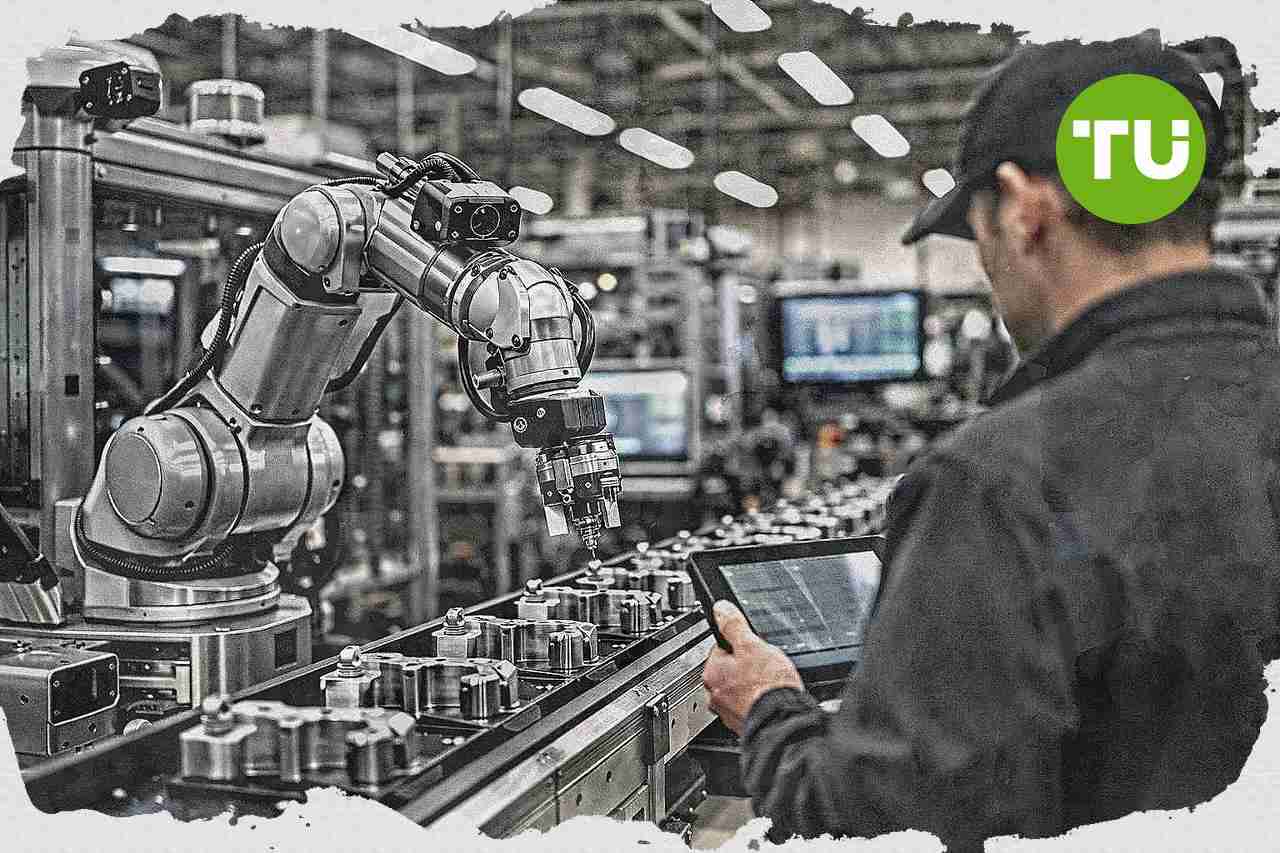
Parayil says AI helps accelerate research and development, optimize factory processes in real time, reduce downtime through predictive maintenance, and improve consistency and quality. He argues those gains allow U.S. manufacturers to produce more with a smaller but highly skilled workforce, while also creating higher-value jobs.
Farm and healthcare testimony points to hiring and retraining needs
Brad Edenfield, farmer and general manager at RT Farms Inc., tells lawmakers that AI can help protect the food supply by improving efficiency in agriculture, where land and other resources are limited. He also says the technology can help address an aging agricultural workforce by making the profession more appealing to younger workers.In healthcare, Jeffery Talbert, professor and department chair in AI and Health at the Medical College of Georgia, Augusta University, says implementation is creating demand for new categories of workers. He says employers need staff to manage deployment, navigate regulatory issues and train existing employees to use AI tools effectively.
Talbert says that process is opening retraining opportunities for current workers while also driving new hiring across the healthcare industry. Together, the testimony presents AI as a source of economic opportunity for both workers and job creators, while underscoring the need for policy that can adapt to different sectors.
Our earlier coverage of the House Education and the Workforce Committee’s field hearing in Augusta looked at how AI is being positioned as a driver of job creation, productivity, and economic growth across sectors such as cybersecurity, healthcare, manufacturing, and agriculture. Lawmakers emphasized Augusta’s regional strengths in cyber and medical training and argued that AI policy should stay flexible and sector-specific rather than relying on a one-size-fits-all approach, while also warning that overly burdensome rules could undermine U.S. competitiveness as global investment accelerates.






Latest Labor Market News





-
 Afghanistan
-
 Albania
-
 Algeria
-
 Angola
-
 Argentina
-
 Armenia
-
 Australia
-
 Austria
-
 Azerbaijan
-
 Bahamas
-
 Bahrain
-
 Bangladesh
-
 Belarus
-
 Belgium
-
 Bolivia
-
 Botswana
-
 Brazil
-
 Brunei
-
 Bulgaria
-
 Cambodia
-
 Cameroon
-
 Canada
-
 Chile
-
 China
-
 Colombia
-
 Congo
-
 Costa Rica
-
 Cote d'Ivoire
-
 Croatia
-
 Cuba
-
 Cyprus
-
 Czechia
-
 DR Congo
-
 Denmark
-
 Dominican Republic
-
 Ecuador
-
 Egypt
-
 El Salvador
-
 Estonia
-
 Eswatini
-
 Ethiopia
-
 Finland
-
 France
-
 Georgia
-
 Germany
-
 Ghana
-
 Greece
-
 Haiti
-
 Hong Kong
-
 Hungary
-
 India
-
 Indonesia
-
 Iran, Islamic republic
-
 Iraq
-
 Ireland
-
 Israel
-
 Italy
-
 Jamaica
-
 Japan
-
 Jordan
-
 Kazakhstan
-
 Kenya
-
 Korea
-
 Kuwait
-
 Kyrgyzstan
-
 Laos
-
 Latvia
-
 Lebanon
-
 Lesotho
-
 Libya
-
 Lithuania
-
 Luxembourg
-
 Madagascar
-
 Malaysia
-
 Malta
-
 Mauritius
-
 Mexico
-
 Moldova
-
 Mongolia
-
 Montenegro
-
 Morocco
-
 Mozambique
-
 Myanmar
-
 Namibia
-
 Nepal
-
 Netherlands
-
 New Zealand
-
 Nigeria
-
 North Macedonia
-
 Norway
-
 Oman
-
 Pakistan
-
 Palestine
-
 Panama
-
 Papua New Guinea
-
 Paraguay
-
 Peru
-
 Philippines
-
 Poland
-
 Portugal
-
 Puerto Rico
-
 Qatar
-
 Reunion
-
 Romania
-
 Rwanda
-
 Saudi Arabia
-
 Serbia
-
 Singapore
-
 Slovakia
-
 Slovenia
-
 Somalia
-
 South Africa
-
 Spain
-
 Sri Lanka
-
 Sweden
-
 Switzerland
-
 Syria
-
 Taiwan
-
 Tajikistan
-
 Tanzania
-
 Thailand
-
 Trinidad and Tobago
-
 Tunisia
-
 Turkey
-
 UAE
-
 Uganda
-
 Ukraine
-
 United Kingdom
-
United States
-
 Uruguay
-
 Uzbekistan
-
 Venezuela
-
 Vietnam
-
 Yemen
-
 Zambia
-
 Zimbabwe
- Forex
- Crypto












