

Europe telecoms reform proposal aims to unify spectrum policy and boost EU investment capacity
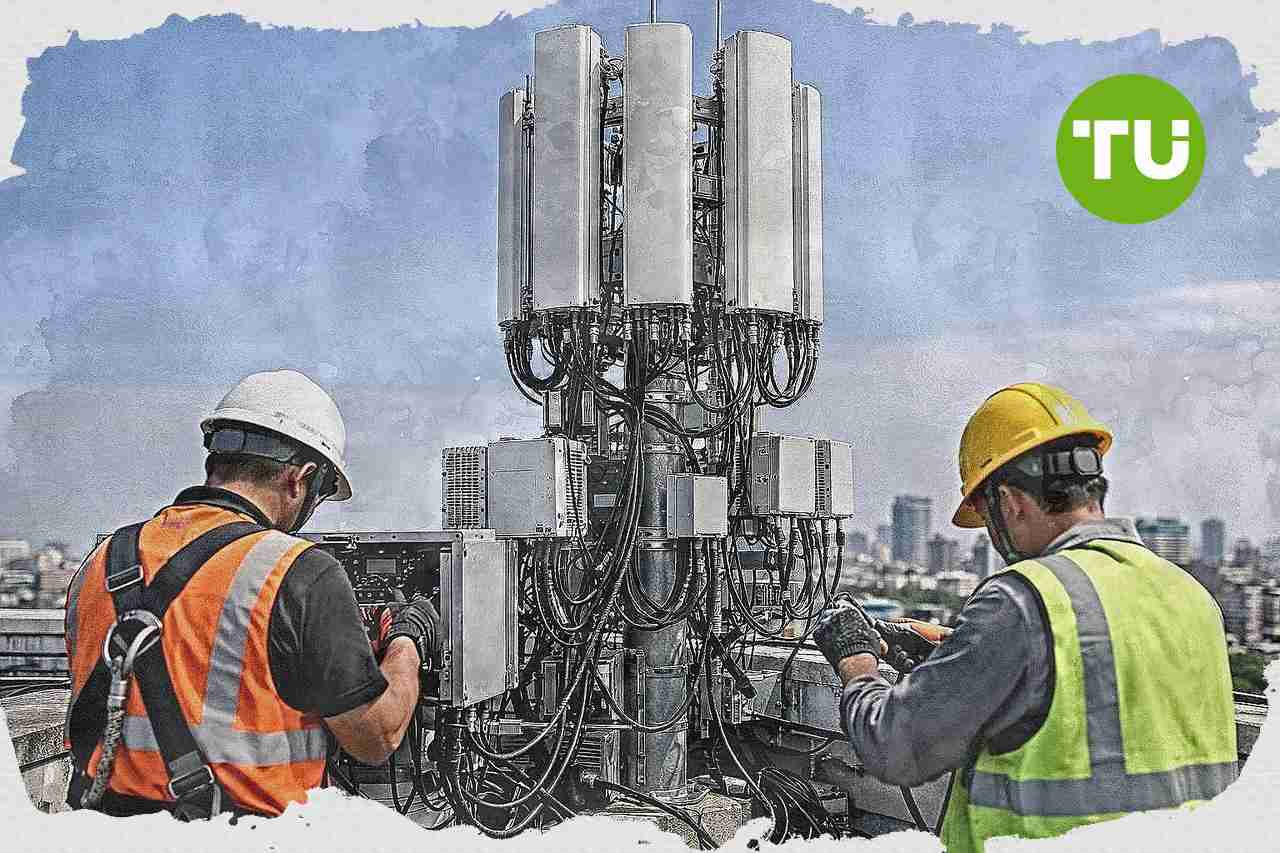
As the EU weighs how to finance defence, AI and the green transition, a new proposal argues that deeper integration of radio spectrum could expand Europe’s economic and fiscal capacity rather than simply redistribute limited funds. The plan links telecoms regulation with industrial policy by calling for a European framework for future spectrum renewals and 6G deployment.
Highlights
- The European Spectrum Union proposal replaces 27 national licensing regimes with a unified framework for future spectrum allocation, aligning renewal calendars and harmonising technical standards.
- The reform suggests directing up to 75 percent of new spectrum revenues to the EU budget and 25 percent to a European Investment Bank facility to significantly boost digital infrastructure investment.
- The unified approach targets smoother 6G rollout, lowered financing costs, stronger EU telecom ecosystem, and increased competitiveness for operators facing global rivals.
Spectrum union tied to 6G and telecoms investment
As argued in the Financial Times, the proposal centres on creating a European Spectrum Union to replace the current system of 27 national licensing regimes for one of the bloc’s most strategic digital assets. Under the model, spectrum remains the property of member states and existing licences stay in force until expiry, while future strategic spectrum is allocated through a co-ordinated European framework with aligned renewal calendars, harmonised licence conditions, and common technical and security standards.The case for reform is tied to the growing economic role of telecoms networks in AI, cloud computing, defence communications, and industrial automation. The text argues that fragmented auction schedules, licence terms, and regulatory conditions raise uncertainty, increase capital costs, complicate long-term planning, and slow network deployment across Europe.
The transition from 5G to 6G is presented as a key opening for change because major 5G spectrum bands are due for renewal over the coming years and the Upper 6 GHz band, 6425 to 7125 MHz, has not yet been allocated. The proposal says a unified approach would improve investment visibility, lower financing costs, accelerate 6G rollout, and strengthen the EU telecoms ecosystem and technology base.
Budget implications and broader EU competitiveness
The proposal also sets out a fiscal dimension for spectrum reform by suggesting that up to 75 per cent of future spectrum revenues should flow into the EU budget as a new own resource, while the remaining 25 per cent capitalises a European Investment Bank connectivity and technology facility. Because the EIB can leverage capital through market borrowing, that share could support investment beyond its face value in AI infrastructure, quantum technologies, and digital networks.The argument is that this would expand Europe’s investment capacity instead of reallocating a fixed pool of public money. It also says member states have less incentive to retain one-off spectrum proceeds under current EU fiscal rules, creating room to redirect more of that value toward European public goods while still allowing national governments to keep part of the revenues.
Supporters frame the idea as a way to complete the single market for connectivity and give European telecoms operators the scale needed to compete globally. While critics maintain that spectrum remains a national competence, the proposal argues that economic integration has repeatedly pushed the EU toward deeper co-ordination of strategic assets when national fragmentation becomes a drag on growth.
Rising credit-default-swap spreads across major tech groups signal growing investor concern about the debt-heavy financing of AI infrastructure. Our earlier article highlighted how borrowing costs have climbed as companies ramp up spending on data centres, chips and memory, raising questions about how quickly cash flow can catch up with expanding debt loads.






Latest EIB News



-
 Afghanistan
-
 Albania
-
 Algeria
-
 Angola
-
 Argentina
-
 Armenia
-
 Australia
-
 Austria
-
 Azerbaijan
-
 Bahamas
-
 Bahrain
-
 Bangladesh
-
 Belarus
-
 Belgium
-
 Bolivia
-
 Botswana
-
 Brazil
-
 Brunei
-
 Bulgaria
-
 Cambodia
-
 Cameroon
-
 Canada
-
 Chile
-
 China
-
 Colombia
-
 Congo
-
 Costa Rica
-
 Cote d'Ivoire
-
 Croatia
-
 Cuba
-
 Cyprus
-
 Czechia
-
 DR Congo
-
 Denmark
-
 Dominican Republic
-
 Ecuador
-
 Egypt
-
 El Salvador
-
 Estonia
-
 Eswatini
-
 Ethiopia
-
 Finland
-
 France
-
 Georgia
-
 Germany
-
 Ghana
-
 Greece
-
 Haiti
-
 Hong Kong
-
 Hungary
-
 India
-
 Indonesia
-
 Iran, Islamic republic
-
 Iraq
-
 Ireland
-
 Israel
-
 Italy
-
 Jamaica
-
 Japan
-
 Jordan
-
 Kazakhstan
-
 Kenya
-
 Korea
-
 Kuwait
-
 Kyrgyzstan
-
 Laos
-
 Latvia
-
 Lebanon
-
 Lesotho
-
 Libya
-
 Lithuania
-
 Luxembourg
-
 Madagascar
-
 Malaysia
-
 Malta
-
 Mauritius
-
 Mexico
-
 Moldova
-
 Mongolia
-
 Montenegro
-
 Morocco
-
 Mozambique
-
 Myanmar
-
 Namibia
-
 Nepal
-
 Netherlands
-
 New Zealand
-
 Nigeria
-
 North Macedonia
-
 Norway
-
 Oman
-
 Pakistan
-
 Palestine
-
 Panama
-
 Papua New Guinea
-
 Paraguay
-
 Peru
-
 Philippines
-
 Poland
-
 Portugal
-
 Puerto Rico
-
 Qatar
-
 Reunion
-
 Romania
-
 Rwanda
-
 Saudi Arabia
-
 Serbia
-
 Singapore
-
 Slovakia
-
 Slovenia
-
 Somalia
-
 South Africa
-
 Spain
-
 Sri Lanka
-
 Sweden
-
 Switzerland
-
 Syria
-
 Taiwan
-
 Tajikistan
-
 Tanzania
-
 Thailand
-
 Trinidad and Tobago
-
 Tunisia
-
 Turkey
-
 UAE
-
 Uganda
-
 Ukraine
-
 United Kingdom
-
United States
-
 Uruguay
-
 Uzbekistan
-
 Venezuela
-
 Vietnam
-
 Yemen
-
 Zambia
-
 Zimbabwe
- Forex
- Crypto












