

Southwest Airlines shares outperform as Elliott overhaul gains traction

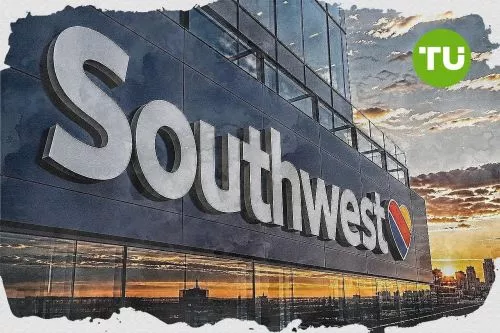
Activist campaigns are producing sharply different market outcomes across the U.S. airline sector. While Icahn Enterprises secured leadership and board changes at JetBlue in 2024, Southwest Airlines is outperforming the broader market as Elliott Investment Management presses for operational and governance shifts.
Highlights
- Southwest Airlines shares have outperformed after Elliott Investment Management disclosed an 11% stake and pressured for governance and business model changes.
- Icahn Enterprises' 9.9% investment in JetBlue Corp. led to CEO replacement and appointment of two Icahn-backed board members after negotiations.
- Market response shows investors are rewarding Southwest Airlines' restructuring more strongly than JetBlue Corp., despite both undergoing activist-driven overhauls in 2024.
Activist moves reshape airline governance
As reported by Bloomberg Opinion, the latest contest between activist investors in airlines is highlighting a split between companies that are merely stabilizing and those delivering stronger share performance.Icahn Enterprises moved first in February 2024 by building a 9.9% stake in JetBlue Corp. and negotiating changes that led to a new chief executive officer and the appointment of two Icahn-backed board members. Four months later, Elliott Investment Management disclosed an 11% holding in Southwest Airlines Co. and initially faced resistance from management.
Southwest later relented in October, agreeing to add board members and remove its chairman, though it did not replace the chief executive officer. The carrier also undertook significant changes to its business model as part of the broader pressure campaign.
Airline sector impact and investor backdrop
The developments revive a long-running connection between the two activist firms and the airline industry. Icahn Enterprises and Elliott previously crossed paths in the 1990s, when Carl Icahn's debt-heavy purchase of Trans World Airlines fell into default and created an opening for Elliott as a distressed-debt investor.The current comparison centers on how activist intervention is translating into market performance. One airline investment is treading water, while the other is solidly outperforming the broader market, underscoring how investors are rewarding restructuring efforts differently across the sector.
Our earlier report on persistently higher U.S. airfares explained that major airlines were maintaining pricing power amid strong demand, even as fuel costs and geopolitical risks lifted operating expenses. It also highlighted how industry concentration and reduced competition were helping keep fares elevated, while analysts watched for signs of consumer pushback as peak travel demand cools.





Latest Southwest Airlines Company News





-
 Afghanistan
-
 Albania
-
 Algeria
-
 Angola
-
 Argentina
-
 Armenia
-
 Australia
-
 Austria
-
 Azerbaijan
-
 Bahamas
-
 Bahrain
-
 Bangladesh
-
 Belarus
-
 Belgium
-
 Bolivia
-
 Botswana
-
 Brazil
-
 Brunei
-
 Bulgaria
-
 Cambodia
-
 Cameroon
-
 Canada
-
 Chile
Chile
-
 China
China
-
 Colombia
-
 Congo
Congo
-
 Costa Rica
-
 Cote d'Ivoire
-
 Croatia
-
 Cuba
Cuba
-
 Cyprus
-
 Czechia
-
 DR Congo
-
 Denmark
-
 Dominican Republic
-
 Ecuador
-
 Egypt
Egypt
-
 El Salvador
-
 Estonia
-
 Eswatini
-
 Ethiopia
-
 Finland
-
 France
-
 Georgia
-
 Germany
-
 Ghana
Ghana
-
 Greece
-
 Haiti
Haiti
-
 Hong Kong
-
 Hungary
-
 India
India
-
 Indonesia
-
 Iran, Islamic republic
-
 Iraq
Iraq
-
 Ireland
-
 Israel
-
 Italy
Italy
-
 Jamaica
-
 Japan
Japan
-
 Jordan
-
 Kazakhstan
-
 Kenya
Kenya
-
 Korea
Korea
-
 Kuwait
-
 Kyrgyzstan
-
 Laos
Laos
-
 Latvia
-
 Lebanon
-
 Lesotho
-
 Libya
Libya
-
 Lithuania
-
 Luxembourg
-
 Madagascar
-
 Malaysia
-
 Malta
Malta
-
 Mauritius
-
 Mexico
-
 Moldova
-
 Mongolia
-
 Montenegro
-
 Morocco
-
 Mozambique
-
 Myanmar
-
 Namibia
-
 Nepal
Nepal
-
 Netherlands
-
 New Zealand
-
 Nigeria
-
 North Macedonia
-
 Norway
-
 Oman
Oman
-
 Pakistan
-
 Palestine
-
 Panama
-
 Papua New Guinea
-
 Paraguay
-
 Peru
Peru
-
 Philippines
-
 Poland
-
 Portugal
-
 Puerto Rico
-
 Qatar
Qatar
-
 Reunion
-
 Romania
-
 Rwanda
-
 Saudi Arabia
-
 Serbia
-
 Singapore
-
 Slovakia
-
 Slovenia
-
 Somalia
-
 South Africa
-
 Spain
Spain
-
 Sri Lanka
-
 Sweden
-
 Switzerland
-
 Syria
Syria
-
 Taiwan
-
 Tajikistan
-
 Tanzania
-
 Thailand
-
 Trinidad and Tobago
-
 Tunisia
-
 Turkey
-
 UAE
UAE
-
 Uganda
-
 Ukraine
-
 United Kingdom
-
United States
-
 Uruguay
-
 Uzbekistan
-
 Venezuela
-
 Vietnam
-
 Yemen
Yemen
-
 Zambia
-
 Zimbabwe
- Forex
- Crypto












