

U.S. AI sector faces rising public distrust as regulation debate intensifies

Public skepticism toward artificial intelligence is growing across the U.S. as concerns over safety, jobs and local infrastructure increasingly shape the political debate. The backlash spans ideological lines and creates a difficult environment for technology companies that are simultaneously promoting AI’s benefits and warning about its risks.
Highlights
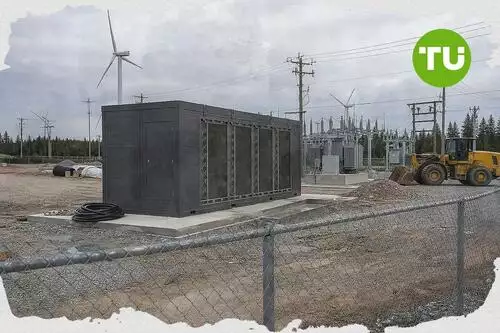
- Nearly 75% of Americans distrust businesses to use AI responsibly, with over 70% opposing local data centres due to water and electricity concerns.
- Industry leaders at Meta, OpenAI, xAI, and Anthropic publicly warn about AI's risks even as companies push for expansion and exploit the regulation debate for competitive positioning.
- Rising bipartisan AI anxiety in the U.S. puts President Donald Trump at odds with voters amid ongoing lobbying, while international partners seek balanced approaches to avoid a U.S.-China technology rift.
Public backlash reshapes the AI debate
As reported by Financial Times, distrust of AI is deepening in the U.S. even as major technology companies push the sector’s commercial expansion. The article says nearly three quarters of Americans do not trust businesses to use AI responsibly, while more than 70 per cent oppose data centres in their area because of concerns about water use and electricity costs.The resistance extends beyond infrastructure. Large majorities also distrust AI in driving, medical advice and corporate hiring, reflecting a broader fear that the technology could erode human autonomy rather than simply improve productivity.
The debate is also being sharpened by conflicting messages from the industry’s leading figures. Executives including those at Meta, OpenAI, xAI and Anthropic publicly warn about existential risks while also presenting AI as a tool that can cure disease, reduce work and address climate challenges.
The text argues these warnings are often intertwined with competitive positioning. Companies performing well, including Anthropic, are presented as favouring stronger regulation and closed models, while rivals falling behind are described as embracing open-weight systems.
Political stakes rise for Washington and allies
AI anxiety is becoming one of the rare issues that cuts across the U.S. political spectrum, from the Maga right to the democratic socialist left. That leaves President Donald Trump in tension with voter sentiment because the article portrays him as largely resistant to AI regulation despite mounting public concern.The piece links part of that stance to money flowing from AI-linked backers and companies into Republican politics. It also says attempts to regulate AI in the U.S. are often dismissed as helping China, adding a geopolitical layer to the domestic policy fight.
Beyond the U.S., the article says countries including Singapore, the United Arab Emirates and parts of Europe are wary of having to choose between American and Chinese technology spheres. It argues that a more balanced policy response would include an AI safety partnership, tax changes that reduce incentives to automate labour, and talks with China on shared principles to avoid a damaging global split.
Our earlier coverage of Anthropic’s IPO preparations tracked how the AI developer moved closer to a potential public debut after its June SEC filing, with secondary-market activity signaling heightened investor interest. We noted that Anthropic’s pricing and trading volumes strengthened versus peers, underscoring continued demand for large private AI names as markets look for valuation benchmarks ahead of major listings.




Latest Anthropic News





-
 Afghanistan
-
 Albania
-
 Algeria
-
 Angola
-
 Argentina
-
 Armenia
-
 Australia
-
 Austria
-
 Azerbaijan
-
 Bahamas
-
 Bahrain
-
 Bangladesh
-
 Belarus
-
 Belgium
-
 Bolivia
-
 Botswana
-
 Brazil
-
 Brunei
-
 Bulgaria
-
 Cambodia
-
 Cameroon
-
 Canada
-
 Chile
Chile
-
 China
China
-
 Colombia
-
 Congo
Congo
-
 Costa Rica
-
 Cote d'Ivoire
-
 Croatia
-
 Cuba
Cuba
-
 Cyprus
-
 Czechia
-
 DR Congo
-
 Denmark
-
 Dominican Republic
-
 Ecuador
-
 Egypt
Egypt
-
 El Salvador
-
 Estonia
-
 Eswatini
-
 Ethiopia
-
 Finland
-
 France
-
 Georgia
-
 Germany
-
 Ghana
Ghana
-
 Greece
-
 Haiti
Haiti
-
 Hong Kong
-
 Hungary
-
 India
India
-
 Indonesia
-
 Iran, Islamic republic
-
 Iraq
Iraq
-
 Ireland
-
 Israel
-
 Italy
Italy
-
 Jamaica
-
 Japan
Japan
-
 Jordan
-
 Kazakhstan
-
 Kenya
Kenya
-
 Korea
Korea
-
 Kuwait
-
 Kyrgyzstan
-
 Laos
Laos
-
 Latvia
-
 Lebanon
-
 Lesotho
-
 Libya
Libya
-
 Lithuania
-
 Luxembourg
-
 Madagascar
-
 Malaysia
-
 Malta
Malta
-
 Mauritius
-
 Mexico
-
 Moldova
-
 Mongolia
-
 Montenegro
-
 Morocco
-
 Mozambique
-
 Myanmar
-
 Namibia
-
 Nepal
Nepal
-
 Netherlands
-
 New Zealand
-
 Nigeria
-
 North Macedonia
-
 Norway
-
 Oman
Oman
-
 Pakistan
-
 Palestine
-
 Panama
-
 Papua New Guinea
-
 Paraguay
-
 Peru
Peru
-
 Philippines
-
 Poland
-
 Portugal
-
 Puerto Rico
-
 Qatar
Qatar
-
 Reunion
-
 Romania
-
 Rwanda
-
 Saudi Arabia
-
 Serbia
-
 Singapore
-
 Slovakia
-
 Slovenia
-
 Somalia
-
 South Africa
-
 Spain
Spain
-
 Sri Lanka
-
 Sweden
-
 Switzerland
-
 Syria
Syria
-
 Taiwan
-
 Tajikistan
-
 Tanzania
-
 Thailand
-
 Trinidad and Tobago
-
 Tunisia
-
 Turkey
-
 UAE
UAE
-
 Uganda
-
 Ukraine
-
 United Kingdom
-
United States
-
 Uruguay
-
 Uzbekistan
-
 Venezuela
-
 Vietnam
-
 Yemen
Yemen
-
 Zambia
-
 Zimbabwe
- Forex
- Crypto












