

House panel scrutinizes union spending and political activity in worker representation hearing

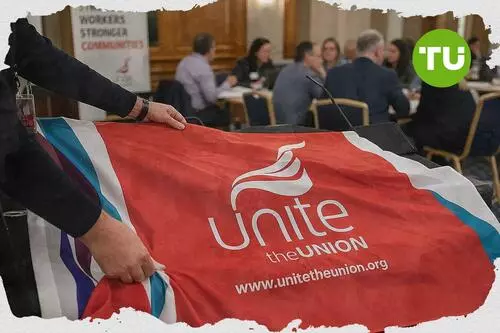
A House labor subcommittee is examining whether union leadership is aligning its political activity and spending with the interests of dues-paying members. The hearing centers on transparency, accountability and the use of union funds, including political expenditures and compensation for union officials.
Highlights
- House subcommittee Chairman Rick Allen asserts a widening gap between union leaders' political activities and rank-and-file members' views, spotlighting transparency concerns.
- Union dues reportedly fund not just political activity but also luxury expenses, with some union officials earning up to five times the average worker's wages.
- Federal filings show more than 90 percent of union PAC political expenditures support Democratic candidates and causes, raising governance and accountability questions.
Hearing focus on union finances and representation
As reported by House Committee on Education and the Workforce, Health, Employment, Labor, and Pensions Subcommittee Chairman Rick Allen says the hearing is assessing whether union leaders are representing workers or advancing political agendas that many rank-and-file members do not share.In prepared remarks, Allen says witnesses are expected to address whether workers are receiving sufficient transparency and accountability from unions. He argues there is a growing gap between the political views of many union members and the political activity of union leadership.
Allen says major unions overwhelmingly support Democratic candidates and progressive causes, while many union households voted for President Trump. He also says unions have backed efforts against Trump administration policies, including on border security and foreign policy, raising questions about whether members' dues are being used for positions they may not support.
Political spending and oversight implications
Allen says union dues support more than political activity, citing unions' LM-2 filings to argue that spending also covers trips to resorts, sporting events, golf courses and theme parks. He adds that many union headquarters staff and officers receive six-figure salaries, with some leaders earning as much as five times the average wages of the workers they represent.He says the committee's information on union spending comes from unions' own filings with the Federal Election Commission and the Department of Labor. Based on those records, Allen says union political action committees direct more than 90 percent of their political expenditures to Democratic politicians and causes.
Allen frames the issue as one of governance and fiduciary responsibility, arguing that workers represented by unions should have leadership that reflects their membership rather than personal political preferences. He says the hearing is intended to test whether union officials remain accountable to the millions of workers whose dues fund those activities.
Our earlier coverage of the House Financial Services Committee hearing on IMF and World Bank oversight explained how lawmakers pressed the case that these institutions should stick to core mandates, improve transparency, and use resources efficiently. The report also highlighted scrutiny of China-related lending and influence, alongside debate over energy financing and concerns about "mission creep" that could pull the IMF and World Bank away from U.S. economic priorities.






Latest Social Policy News



-
 Afghanistan
-
 Albania
-
 Algeria
-
 Angola
-
 Argentina
-
 Armenia
-
 Australia
-
 Austria
-
 Azerbaijan
-
 Bahamas
-
 Bahrain
-
 Bangladesh
-
 Belarus
-
 Belgium
-
 Bolivia
-
 Botswana
-
 Brazil
-
 Brunei
-
 Bulgaria
-
 Cambodia
-
 Cameroon
-
 Canada
-
 Chile
-
 China
-
 Colombia
-
 Congo
-
 Costa Rica
-
 Cote d'Ivoire
-
 Croatia
-
 Cuba
-
 Cyprus
-
 Czechia
-
 DR Congo
-
 Denmark
-
 Dominican Republic
-
 Ecuador
-
 Egypt
-
 El Salvador
-
 Estonia
-
 Eswatini
-
 Ethiopia
-
 Finland
-
 France
-
 Georgia
-
 Germany
-
 Ghana
-
 Greece
-
 Haiti
-
 Hong Kong
-
 Hungary
-
 India
-
 Indonesia
-
 Iran, Islamic republic
-
 Iraq
-
 Ireland
-
 Israel
-
 Italy
-
 Jamaica
-
 Japan
-
 Jordan
-
 Kazakhstan
-
 Kenya
-
 Korea
-
 Kuwait
-
 Kyrgyzstan
-
 Laos
-
 Latvia
-
 Lebanon
-
 Lesotho
-
 Libya
-
 Lithuania
-
 Luxembourg
-
 Madagascar
-
 Malaysia
-
 Malta
-
 Mauritius
-
 Mexico
-
 Moldova
-
 Mongolia
-
 Montenegro
-
 Morocco
-
 Mozambique
-
 Myanmar
-
 Namibia
-
 Nepal
-
 Netherlands
-
 New Zealand
-
 Nigeria
-
 North Macedonia
-
 Norway
-
 Oman
-
 Pakistan
-
 Palestine
-
 Panama
-
 Papua New Guinea
-
 Paraguay
-
 Peru
-
 Philippines
-
 Poland
-
 Portugal
-
 Puerto Rico
-
 Qatar
-
 Reunion
-
 Romania
-
 Rwanda
-
 Saudi Arabia
-
 Serbia
-
 Singapore
-
 Slovakia
-
 Slovenia
-
 Somalia
-
 South Africa
-
 Spain
-
 Sri Lanka
-
 Sweden
-
 Switzerland
-
 Syria
-
 Taiwan
-
 Tajikistan
-
 Tanzania
-
 Thailand
-
 Trinidad and Tobago
-
 Tunisia
-
 Turkey
-
 UAE
-
 Uganda
-
 Ukraine
-
 United Kingdom
-
United States
-
 Uruguay
-
 Uzbekistan
-
 Venezuela
-
 Vietnam
-
 Yemen
-
 Zambia
-
 Zimbabwe
- Forex
- Crypto












