

Intel, SK Hynix weigh U.S. memory chip manufacturing plan

Rising AI-driven demand for advanced memory is pushing chipmakers to consider new production options closer to key end markets. Discussions between Intel and SK Hynix could open a new route for U.S.-based memory chip output while supporting domestic semiconductor capacity goals.
Highlights
- Intel and SK Hynix are in exploratory talks to manufacture memory chips at Intel's Ohio facility, potentially marking first U.S.-made SK Hynix memory.
- Intel shares rose 5% and SK Hynix gained 3% in premarket trading after news of the proposed partnership and leasing arrangement emerged.
- The deal would support U.S. semiconductor policy, bolster Intel's foundry ambitions, and leverage SK Hynix's leadership in AI-related memory despite possible South Korean concerns.
Ohio manufacturing talks take shape
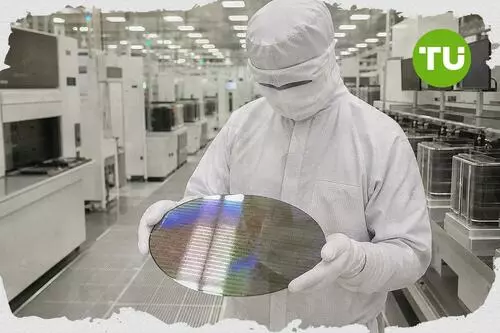
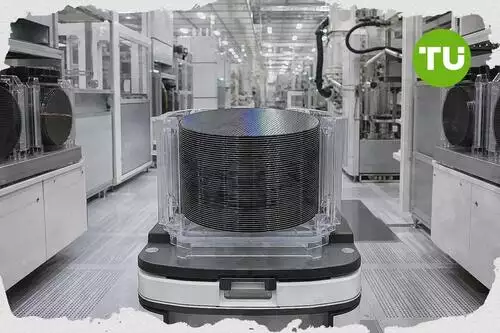
As reported by CNBC, citing Reuters, Intel and SK Hynix are discussing a plan that would see memory chips manufactured in the U.S. for the first time through a potential arrangement at Intel’s Ohio facility.The proposal would allow SK Hynix to lease part of Intel’s chip manufacturing site in Ohio, although the talks remain exploratory and no final decision has been made. A deal would represent a notable step for Intel’s foundry business, which has been seeking major outside customers for its manufacturing operations.
Shares react positively to the report, with Intel rising 5% in premarket trading and SK Hynix gaining 3%.
Foundry and supply chain implications
For Intel, a partnership with a leading memory producer could strengthen its effort to build credibility as a contract manufacturer. It also aligns with broader U.S. policy aims to expand domestic semiconductor production and reduce reliance on overseas supply chains.SK Hynix is one of the main producers of high-bandwidth memory, a component used heavily in AI applications and data centers. The potential partnership may still face resistance from South Korea because of the sensitivity of the technologies involved, even as strong AI-related memory demand has helped lift SK Hynix shares by about 400% over the past year.
Our earlier article on AI-driven U.S. data-center energy demand outlined how rapid expansion of computing capacity could sharply increase natural-gas consumption by 2035, potentially pressuring prices and power markets. We also noted the emissions trade-off as more gas-fired generation is built to support data centers, highlighting how the AI buildout is reshaping infrastructure needs across the supply chain.






Latest SK Hynix News


-
 Afghanistan
-
 Albania
-
 Algeria
-
 Angola
-
 Argentina
-
 Armenia
-
 Australia
-
 Austria
-
 Azerbaijan
-
 Bahamas
-
 Bahrain
-
 Bangladesh
-
 Belarus
-
 Belgium
-
 Bolivia
-
 Botswana
-
 Brazil
-
 Brunei
-
 Bulgaria
-
 Cambodia
-
 Cameroon
-
 Canada
-
 Chile
-
 China
-
 Colombia
-
 Congo
-
 Costa Rica
-
 Cote d'Ivoire
-
 Croatia
-
 Cuba
-
 Cyprus
-
 Czechia
-
 DR Congo
-
 Denmark
-
 Dominican Republic
-
 Ecuador
-
 Egypt
-
 El Salvador
-
 Estonia
-
 Eswatini
-
 Ethiopia
-
 Finland
-
 France
-
 Georgia
-
 Germany
-
 Ghana
-
 Greece
-
 Haiti
-
 Hong Kong
-
 Hungary
-
 India
-
 Indonesia
-
 Iran, Islamic republic
-
 Iraq
-
 Ireland
-
 Israel
-
 Italy
-
 Jamaica
-
 Japan
-
 Jordan
-
 Kazakhstan
-
 Kenya
-
 Korea
-
 Kuwait
-
 Kyrgyzstan
-
 Laos
-
 Latvia
-
 Lebanon
-
 Lesotho
-
 Libya
-
 Lithuania
-
 Luxembourg
-
 Madagascar
-
 Malaysia
-
 Malta
-
 Mauritius
-
 Mexico
-
 Moldova
-
 Mongolia
-
 Montenegro
-
 Morocco
-
 Mozambique
-
 Myanmar
-
 Namibia
-
 Nepal
-
 Netherlands
-
 New Zealand
-
 Nigeria
-
 North Macedonia
-
 Norway
-
 Oman
-
 Pakistan
-
 Palestine
-
 Panama
-
 Papua New Guinea
-
 Paraguay
-
 Peru
-
 Philippines
-
 Poland
-
 Portugal
-
 Puerto Rico
-
 Qatar
-
 Reunion
-
 Romania
-
 Rwanda
-
 Saudi Arabia
-
 Serbia
-
 Singapore
-
 Slovakia
-
 Slovenia
-
 Somalia
-
 South Africa
-
 Spain
-
 Sri Lanka
-
 Sweden
-
 Switzerland
-
 Syria
-
 Taiwan
-
 Tajikistan
-
 Tanzania
-
 Thailand
-
 Trinidad and Tobago
-
 Tunisia
-
 Turkey
-
 UAE
-
 Uganda
-
 Ukraine
-
 United Kingdom
-
United States
-
 Uruguay
-
 Uzbekistan
-
 Venezuela
-
 Vietnam
-
 Yemen
-
 Zambia
-
 Zimbabwe
- Forex
- Crypto












