

U.S. power grid buildout draws investor focus as AI lifts electricity demand

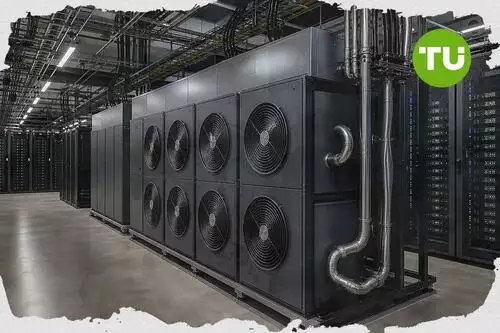
Rising electricity needs from artificial intelligence are shifting investor attention from chips and networking gear to the U.S. power grid. Forecasts from Goldman Sachs, McKinsey and federal energy agencies indicate data center demand is accelerating faster than the country’s aging transmission and distribution infrastructure can easily absorb.
Highlights
- Goldman Sachs projects U.S. data center power demand will rise from 41 gigawatts in 2024 to 66 gigawatts in 2027, reaching 108 gigawatts by 2030.
- McKinsey estimates U.S. data center power demand could grow 27% annually, requiring nearly 30 gigawatts of new electricity supply each year through 2030.
- The First Trust NASDAQ Clean Edge Smart Grid Infrastructure Index Fund (GRID) with $12 billion AUM offers exposure to beneficiaries like Schneider Electric, Eaton, and Quanta Services.
Data center growth pressures aging power infrastructure
As outlined by Weiss Ratings, electricity is emerging as a central constraint on AI expansion as U.S. data center power demand rises sharply through the end of the decade.Goldman Sachs projects U.S. data center power demand will increase from about 31 gigawatts in 2025 to 41 gigawatts this year and then to 66 gigawatts in 2027, based on roughly 70% utilization of installed capacity. Its updated outlook points to about 125 gigawatts of U.S. data center capacity by 2030, requiring around 108 gigawatts of power.
McKinsey presents an even stronger growth case, estimating U.S. data center power demand could expand by about 27% annually through 2030 to 121 gigawatts of IT load. The consultancy also estimates the country is building data centers at a pace that requires nearly 30 gigawatts of new electricity supply each year.
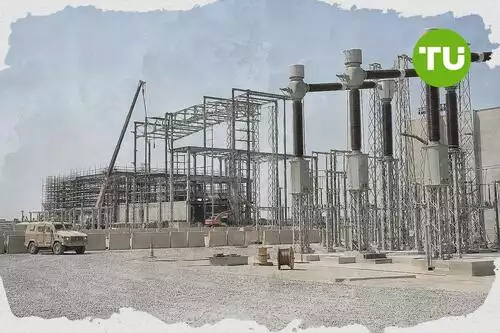
The strain is landing on infrastructure that is already old. The U.S. Department of Energy says more than 70% of U.S. transmission lines and large power transformers are more than 25 years old, while more than 55% of the country’s 60 million to 80 million distribution transformers are over 33 years old.
Utilities and equipment suppliers stand to benefit
The Department of Energy cites a Berkeley Lab estimate showing data centers accounted for about 4.4% of all U.S. electricity consumption in 2023. Its reference case shows that share reaching 11.8% by 2030, with alternative scenarios as high as 15.3%, while the International Energy Agency expects overall U.S. electricity use to grow by more than 420 terawatt-hours through 2030.That backdrop supports the case for utilities, grid equipment makers and engineering contractors tied to power generation, transmission, substations and modernization projects. Weiss Ratings highlights the First Trust NASDAQ Clean Edge Smart Grid Infrastructure Index Fund, ticker GRID, as a broad way to gain exposure to those themes.
The fund has about $12 billion in assets under management, a 0.56% expense ratio and roughly 120 global holdings. Its largest positions include Schneider Electric, which focuses on power distribution and data center power management, Eaton, which supplies switchgear, circuit breakers and transformers, and Quanta Services, which builds transmission lines, substations and utility-scale grid connections.
Our earlier coverage of the Senate debate over who pays for U.S. grid upgrades tied to AI data centers explained how lawmakers are weighing mandatory cost-sharing versus a voluntary approach. We noted that Sen. Martin Heinrich’s GRID Savings Act would require large-load customers to help fund new generation, transmission, and other upgrades, while critics of the competing proposal warned households could end up facing higher electricity bills.






Latest Schneider Electric News



-
 Afghanistan
-
 Albania
-
 Algeria
-
 Angola
-
 Argentina
-
 Armenia
-
 Australia
-
 Austria
-
 Azerbaijan
-
 Bahamas
-
 Bahrain
-
 Bangladesh
-
 Belarus
-
 Belgium
-
 Bolivia
-
 Botswana
-
 Brazil
-
 Brunei
-
 Bulgaria
-
 Cambodia
-
 Cameroon
-
 Canada
-
 Chile
-
 China
-
 Colombia
-
 Congo
-
 Costa Rica
-
 Cote d'Ivoire
-
 Croatia
-
 Cuba
-
 Cyprus
-
 Czechia
-
 DR Congo
-
 Denmark
-
 Dominican Republic
-
 Ecuador
-
 Egypt
-
 El Salvador
-
 Estonia
-
 Eswatini
-
 Ethiopia
-
 Finland
-
 France
-
 Georgia
-
 Germany
-
 Ghana
-
 Greece
-
 Haiti
-
 Hong Kong
-
 Hungary
-
 India
-
 Indonesia
-
 Iran, Islamic republic
-
 Iraq
-
 Ireland
-
 Israel
-
 Italy
-
 Jamaica
-
 Japan
-
 Jordan
-
 Kazakhstan
-
 Kenya
-
 Korea
-
 Kuwait
-
 Kyrgyzstan
-
 Laos
-
 Latvia
-
 Lebanon
-
 Lesotho
-
 Libya
-
 Lithuania
-
 Luxembourg
-
 Madagascar
-
 Malaysia
-
 Malta
-
 Mauritius
-
 Mexico
-
 Moldova
-
 Mongolia
-
 Montenegro
-
 Morocco
-
 Mozambique
-
 Myanmar
-
 Namibia
-
 Nepal
-
 Netherlands
-
 New Zealand
-
 Nigeria
-
 North Macedonia
-
 Norway
-
 Oman
-
 Pakistan
-
 Palestine
-
 Panama
-
 Papua New Guinea
-
 Paraguay
-
 Peru
-
 Philippines
-
 Poland
-
 Portugal
-
 Puerto Rico
-
 Qatar
-
 Reunion
-
 Romania
-
 Rwanda
-
 Saudi Arabia
-
 Serbia
-
 Singapore
-
 Slovakia
-
 Slovenia
-
 Somalia
-
 South Africa
-
 Spain
-
 Sri Lanka
-
 Sweden
-
 Switzerland
-
 Syria
-
 Taiwan
-
 Tajikistan
-
 Tanzania
-
 Thailand
-
 Trinidad and Tobago
-
 Tunisia
-
 Turkey
-
 UAE
-
 Uganda
-
 Ukraine
-
 United Kingdom
-
United States
-
 Uruguay
-
 Uzbekistan
-
 Venezuela
-
 Vietnam
-
 Yemen
-
 Zambia
-
 Zimbabwe
- Forex
- Crypto












