

Energy sector sees demand growth opportunities as price and geopolitical risks persist

Executives at the ADIPEC energy conference say rising power and fuel demand is supporting a longer-term case for new energy investment. Growth linked to AI, electrification and emerging markets is expanding infrastructure needs, but uncertain oil prices, conflict risks and supply pressures are complicating returns.
Highlights
- Energy sector leaders at ADIPEC project a 'demand decade' driven by AI, population growth, and developing economies, with industry activity rising by a low-single-digit percentage in 2027.
- Persistent oil price uncertainty, Middle East conflict, supply chain issues, and higher interest rates challenge investment planning, prompting greater focus on resilient infrastructure and cautious capital allocation.
- Oil markets face potential oversupply in 2027–2028 if Middle Eastern flows normalize, adding pressure to future investment returns and sector sentiment.
ADIPEC outlook points to stronger infrastructure spending
As reported by CNBC, Baker Hughes CEO Lorenzo Simonelli says the industry is entering a "demand decade," with AI, population growth and developing economies underpinning continued expansion in energy consumption.Speaking in Abu Dhabi, Simonelli says higher demand should support improving capital investment over time because additional infrastructure is needed to meet consumption growth. He also says industry activity is expected to rise by a low-single-digit percentage in 2027.
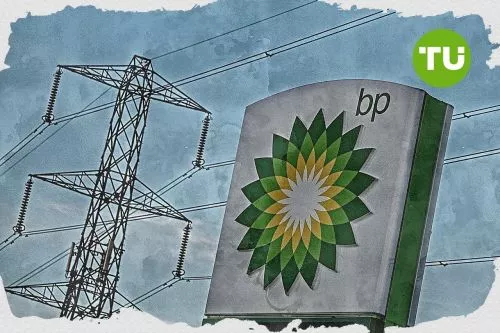
BP CEO Meg O’Neill says the broad range of global energy demand forecasts remains a key issue for investment planning, particularly because oil and gas projects can take years to develop and then produce for decades. She adds that oil price uncertainty means companies need to plan for a lower-price environment.
Conflict, borrowing costs and oversupply shape investment risks
RWE CEO Markus Krebber says AI and electrification are lifting electricity demand, but geopolitical tensions, supply chain pressure and higher interest rates are making investment decisions more difficult. He says the need for computing capacity and supporting power infrastructure is likely to materialize gradually rather than quickly.Simonelli says the Middle East conflict is underscoring the need for more resilient energy systems, including added storage, more pipelines and the removal of existing bottlenecks. Schneider Electric CEO Olivier Blum says some Persian Gulf projects have slowed because of the conflict, although he adds that the medium-term case for more infrastructure has strengthened.
The supply outlook is also affecting sentiment. Richard Bronze, co-founder and head of geopolitics at Energy Aspects, tells CNBC that oil markets could face oversupply in 2027 and 2028 if Middle Eastern flows return to normal, potentially adding another layer of pressure to future investment returns.
Geopolitical shocks and higher interest rates are raising sovereign borrowing risks, our earlier coverage noted, as persistent conflicts and elevated fiscal spending keep inflation and refinancing pressure elevated. We also highlighted that emerging and frontier markets are more exposed because debt-service costs tend to be high relative to limited revenue bases, while energy and food price spikes driven by the wars in Ukraine and the Middle East can further strain public finances.









-
 Afghanistan
-
 Albania
-
 Algeria
-
 Angola
-
 Argentina
-
 Armenia
-
 Australia
-
 Austria
-
 Azerbaijan
-
 Bahamas
-
 Bahrain
-
 Bangladesh
-
 Belarus
-
 Belgium
-
 Bolivia
-
 Botswana
-
 Brazil
-
 Brunei
-
 Bulgaria
-
 Cambodia
-
 Cameroon
-
 Canada
-
 Chile
-
 China
-
 Colombia
-
 Congo
-
 Costa Rica
-
 Cote d'Ivoire
-
 Croatia
-
 Cuba
-
 Cyprus
-
 Czechia
-
 DR Congo
-
 Denmark
-
 Dominican Republic
-
 Ecuador
-
 Egypt
-
 El Salvador
-
 Estonia
-
 Eswatini
-
 Ethiopia
-
 Finland
-
 France
-
 Georgia
-
 Germany
-
 Ghana
-
 Greece
-
 Haiti
-
 Hong Kong
-
 Hungary
-
 India
-
 Indonesia
-
 Iran, Islamic republic
-
 Iraq
-
 Ireland
-
 Israel
-
 Italy
-
 Jamaica
-
 Japan
-
 Jordan
-
 Kazakhstan
-
 Kenya
-
 Korea
-
 Kuwait
-
 Kyrgyzstan
-
 Laos
-
 Latvia
-
 Lebanon
-
 Lesotho
-
 Libya
-
 Lithuania
-
 Luxembourg
-
 Madagascar
-
 Malaysia
-
 Malta
-
 Mauritius
-
 Mexico
-
 Moldova
-
 Mongolia
-
 Montenegro
-
 Morocco
-
 Mozambique
-
 Myanmar
-
 Namibia
-
 Nepal
-
 Netherlands
-
 New Zealand
-
 Nigeria
-
 North Macedonia
-
 Norway
-
 Oman
-
 Pakistan
-
 Palestine
-
 Panama
-
 Papua New Guinea
-
 Paraguay
-
 Peru
-
 Philippines
-
 Poland
-
 Portugal
-
 Puerto Rico
-
 Qatar
-
 Reunion
-
 Romania
-
 Rwanda
-
 Saudi Arabia
-
 Serbia
-
 Singapore
-
 Slovakia
-
 Slovenia
-
 Somalia
-
 South Africa
-
 Spain
-
 Sri Lanka
-
 Sweden
-
 Switzerland
-
 Syria
-
 Taiwan
-
 Tajikistan
-
 Tanzania
-
 Thailand
-
 Trinidad and Tobago
-
 Tunisia
-
 Turkey
-
 UAE
-
 Uganda
-
 Ukraine
-
 United Kingdom
-
United States
-
 Uruguay
-
 Uzbekistan
-
 Venezuela
-
 Vietnam
-
 Yemen
-
 Zambia
-
 Zimbabwe
- Forex
- Crypto












