

Austria reinstates fuel margin cap, expands petrol price brake through November

Austria is widening its fuel relief program as higher oil prices linked to the Middle East conflict continue to pressure consumers. The government says the revised petrol price brake will take effect on Oct. 1 and remain in place for two months, longer than the usual one-month extensions.
Highlights
- Austria will more than triple its petrol-tax cut to 6.7 euro cents per litre and reduce retailers' margins by 3.5 cents per litre from Oct. 1 through November.
- The revised fuel relief plan extends previous measures, which had been partially removed in June, and will be reviewed monthly by the government for possible renewal.
- The government cites ongoing Middle East conflict and supply disruptions as causes of petrol price inflation, prompting the reintroduction of price controls.
Revised fuel relief plan starts in October
As reported by Reuters, citing the Austrian government, the petrol-tax cut will more than triple to 6.7 euro cents per litre from Oct. 1, while retailers' margins will be reduced by 3.5 cents per litre.The measure was first introduced in April with two equal parts, a cap on retailers' margins and a cut in petrol tax, together worth 10 euro cents per litre. The margin cap was removed in June, while the coalition last announced on Aug. 31 that it was extending a 1.9 cents per litre petrol-tax cut until the end of September.
Under the new arrangement, the updated rate is set to run through October and November. The government says the three ruling centrist parties usually review the measure at the end of each month and decide whether, and in what form, to renew it.
Inflation pressure tied to oil disruption
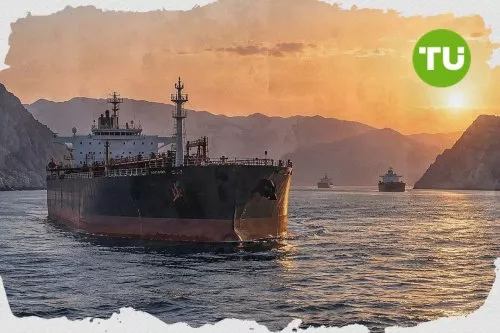
The conservative-led coalition is linking persistently high inflation to supply disruption caused by the conflict in the Middle East, which has affected oil flows through the Strait of Hormuz. It refers to that pressure as "Trumpflation," blaming U.S. President Donald Trump for the wider inflationary impact.Chancellor Christian Stocker says the escalation in the Middle East and the resulting rise in petrol prices are driving the latest intervention. He says the new petrol price brake is intended to lower prices at the pump for consumers.
In our earlier article on the surge in European diesel prices, we covered how markets reacted to signals that the U.S. could curb diesel exports, a key source of Europe’s imported supply. We noted that even without immediate shortages, reduced export flows could tighten global fuel balances, lift diesel and petrol prices, and add to broader inflation pressures.






Latest WTI News


-
 Afghanistan
-
 Albania
-
 Algeria
-
 Angola
-
 Argentina
-
 Armenia
-
 Australia
-
 Austria
-
 Azerbaijan
-
 Bahamas
-
 Bahrain
-
 Bangladesh
-
 Belarus
-
 Belgium
-
 Bolivia
-
 Botswana
-
 Brazil
-
 Brunei
-
 Bulgaria
-
 Cambodia
-
 Cameroon
-
 Canada
-
 Chile
-
 China
-
 Colombia
-
 Congo
-
 Costa Rica
-
 Cote d'Ivoire
-
 Croatia
-
 Cuba
-
 Cyprus
-
 Czechia
-
 DR Congo
-
 Denmark
-
 Dominican Republic
-
 Ecuador
-
 Egypt
-
 El Salvador
-
 Estonia
-
 Eswatini
-
 Ethiopia
-
 Finland
-
 France
-
 Georgia
-
 Germany
-
 Ghana
-
 Greece
-
 Haiti
-
 Hong Kong
-
 Hungary
-
 India
-
 Indonesia
-
 Iran, Islamic republic
-
 Iraq
-
 Ireland
-
 Israel
-
 Italy
-
 Jamaica
-
 Japan
-
 Jordan
-
 Kazakhstan
-
 Kenya
-
 Korea
-
 Kuwait
-
 Kyrgyzstan
-
 Laos
-
 Latvia
-
 Lebanon
-
 Lesotho
-
 Libya
-
 Lithuania
-
 Luxembourg
-
 Madagascar
-
 Malaysia
-
 Malta
-
 Mauritius
-
 Mexico
-
 Moldova
-
 Mongolia
-
 Montenegro
-
 Morocco
-
 Mozambique
-
 Myanmar
-
 Namibia
-
 Nepal
-
 Netherlands
-
 New Zealand
-
 Nigeria
-
 North Macedonia
-
 Norway
-
 Oman
-
 Pakistan
-
 Palestine
-
 Panama
-
 Papua New Guinea
-
 Paraguay
-
 Peru
-
 Philippines
-
 Poland
-
 Portugal
-
 Puerto Rico
-
 Qatar
-
 Reunion
-
 Romania
-
 Rwanda
-
 Saudi Arabia
-
 Serbia
-
 Singapore
-
 Slovakia
-
 Slovenia
-
 Somalia
-
 South Africa
-
 Spain
-
 Sri Lanka
-
 Sweden
-
 Switzerland
-
 Syria
-
 Taiwan
-
 Tajikistan
-
 Tanzania
-
 Thailand
-
 Trinidad and Tobago
-
 Tunisia
-
 Turkey
-
 UAE
-
 Uganda
-
 Ukraine
-
 United Kingdom
-
United States
-
 Uruguay
-
 Uzbekistan
-
 Venezuela
-
 Vietnam
-
 Yemen
-
 Zambia
-
 Zimbabwe
- Forex
- Crypto












