

U.S. Senate set to vote on Iran war resolution as fuel costs climb

With midterm elections less than six weeks away, the Senate is preparing another vote on a measure aimed at ending U.S. military hostilities with Iran. The push comes as elevated gasoline and diesel prices intensify pressure on Republicans defending their congressional majorities.
Highlights
- The Senate will vote Thursday on a War Powers Resolution requiring President Trump to withdraw U.S. troops from Iranian hostilities without explicit congressional approval.
- Gasoline prices have climbed to $4.48 per gallon nationwide, intensifying political risk for Republicans, especially in Midwestern states hit hard by higher diesel costs.
- Despite rising bipartisan concern, most Republicans are expected to oppose the resolution, citing economic anxiety and the challenge of justifying higher costs to voters.
War powers vote and congressional strategy
As reported by CNBC, the measure before the Senate on Thursday is a War Powers Resolution that would direct President Donald Trump to remove U.S. troops from hostilities in Iran unless Congress explicitly approves the war. Because it is a concurrent resolution, it does not carry the force of law and is not signed by the president, leaving the vote largely symbolic.The Senate has voted repeatedly on similar efforts since the conflict began, and one of those measures has already passed. Democratic backers argue the Constitution gives Congress, not the executive branch, the authority to declare war, and Sen. Tim Kaine of Virginia says the president is violating both the Constitution and the War Powers Act.
The House passed the current measure in July, and it now needs 50 votes to clear the Senate. Democrats say some Republican support has increased in recent votes as the administration exceeds timelines for seeking congressional approval for the conflict.
Fuel prices raise political stakes for Republicans
Rising energy costs are adding to the political risk surrounding the war. Gasoline prices average $4.48 a gallon nationwide, according to AAA, while surging diesel costs are putting additional strain on farmers and truckers.That pressure is especially acute for Republicans in Midwestern states, some of whom are beginning to distance themselves from the White House and call for an end to the conflict. With lawmakers set to spend nearly all of October on the campaign trail, voters are expected to focus heavily on what Congress is doing to lower costs.
Even so, most Republicans are still expected to oppose the measure. Sen. Kevin Cramer of North Dakota says economic anxiety is making it harder for incumbents to persuade voters that broader policy achievements outweigh the immediate impact of higher prices.
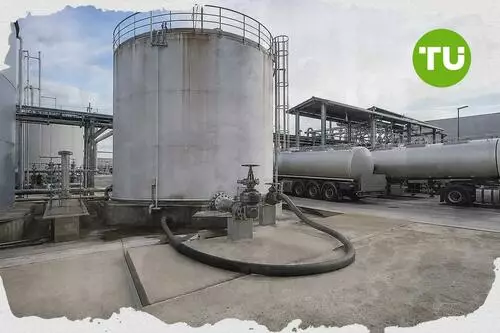
In our earlier article on the debate in Washington over possible limits on U.S. diesel exports, we explained how proposed restrictions aimed at curbing domestic pump prices could tighten global supply and ultimately push costs higher. We also noted the knock-on effects for key consumers such as households, farmers, and freight operators, with added strain on international fuel markets as disruptions persisted.










-
 Afghanistan
-
 Albania
-
 Algeria
-
 Angola
-
 Argentina
-
 Armenia
-
 Australia
-
 Austria
-
 Azerbaijan
-
 Bahamas
-
 Bahrain
-
 Bangladesh
-
 Belarus
-
 Belgium
-
 Bolivia
-
 Botswana
-
 Brazil
-
 Brunei
-
 Bulgaria
-
 Cambodia
-
 Cameroon
-
 Canada
-
 Chile
-
 China
-
 Colombia
-
 Congo
-
 Costa Rica
-
 Cote d'Ivoire
-
 Croatia
-
 Cuba
-
 Cyprus
-
 Czechia
-
 DR Congo
-
 Denmark
-
 Dominican Republic
-
 Ecuador
-
 Egypt
-
 El Salvador
-
 Estonia
-
 Eswatini
-
 Ethiopia
-
 Finland
-
 France
-
 Georgia
-
 Germany
-
 Ghana
-
 Greece
-
 Haiti
-
 Hong Kong
-
 Hungary
-
 India
-
 Indonesia
-
 Iran, Islamic republic
-
 Iraq
-
 Ireland
-
 Israel
-
 Italy
-
 Jamaica
-
 Japan
-
 Jordan
-
 Kazakhstan
-
 Kenya
-
 Korea
-
 Kuwait
-
 Kyrgyzstan
-
 Laos
-
 Latvia
-
 Lebanon
-
 Lesotho
-
 Libya
-
 Lithuania
-
 Luxembourg
-
 Madagascar
-
 Malaysia
-
 Malta
-
 Mauritius
-
 Mexico
-
 Moldova
-
 Mongolia
-
 Montenegro
-
 Morocco
-
 Mozambique
-
 Myanmar
-
 Namibia
-
 Nepal
-
 Netherlands
-
 New Zealand
-
 Nigeria
-
 North Macedonia
-
 Norway
-
 Oman
-
 Pakistan
-
 Palestine
-
 Panama
-
 Papua New Guinea
-
 Paraguay
-
 Peru
-
 Philippines
-
 Poland
-
 Portugal
-
 Puerto Rico
-
 Qatar
-
 Reunion
-
 Romania
-
 Rwanda
-
 Saudi Arabia
-
 Serbia
-
 Singapore
-
 Slovakia
-
 Slovenia
-
 Somalia
-
 South Africa
-
 Spain
-
 Sri Lanka
-
 Sweden
-
 Switzerland
-
 Syria
-
 Taiwan
-
 Tajikistan
-
 Tanzania
-
 Thailand
-
 Trinidad and Tobago
-
 Tunisia
-
 Turkey
-
 UAE
-
 Uganda
-
 Ukraine
-
 United Kingdom
-
United States
-
 Uruguay
-
 Uzbekistan
-
 Venezuela
-
 Vietnam
-
 Yemen
-
 Zambia
-
 Zimbabwe
- Forex
- Crypto












