

White House, AI companies sign super intelligence accord as OpenAI delays IPO

The White House is pushing a new policy and branding framework for artificial intelligence as major technology groups commit to a voluntary safety pact. The move coincides with OpenAI's decision to hold off on an initial public offering and with broader investor focus on U.S. rates and inflation pressure.
Highlights
- President Trump signed an executive order to rebrand AI as 'super intelligence,' while major tech CEOs signed a White House Accord committing to safety and trust.
- OpenAI and Oura postponed IPO plans, with OpenAI citing the need for confidence in safety decisions and Oura pointing to uncertain market conditions.
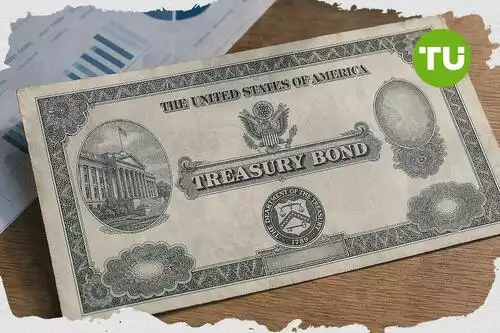
- U.S. 30-year Treasury yield reached its highest since 2002, hedge funds now hold a record share of the $30 trillion Treasury market, and regulators warn of potential new risks.
White House policy shift and industry commitments
As reported by CNBC, President Donald Trump has signed an executive order titled “Inaugurating the Era of Super Intelligence,” directing government departments and agencies to use the term “super intelligence” instead of artificial intelligence.The heads of Google, Meta, Nvidia, OpenAI, Anthropic, Tesla and SpaceX have also signed a separate two-page document called the “White House Accord on Super Intelligence.” The accord says the signatories believe each company is responsible for developing its technology safely and in a way that builds trust.
The document takes what it describes as a “morally binding” approach to regulation. The companies agree to meet regularly to implement robust internal processes and controls to ensure their technology behaves as intended, while also acknowledging that these steps may eventually be codified into laws or regulations.
OpenAI says it will only go public when the timing is right and when it is confident in its safety decisions. Biometric ring maker Oura is also postponing its listing, citing uncertain market conditions.
Market backdrop sharpens focus on policy and risk
The policy announcements arrive as investors monitor strains and positioning in financial markets. The U.S. 30-year Treasury yield has reached its highest level since 2002, while experts cited by CNBC say hedge funds now hold a record share of the $30 trillion Treasury market.Regulators are warning that heavier hedge fund participation could bring fresh risks to the Treasury market. Later on Wednesday, the Federal Reserve’s preferred inflation gauge is expected to indicate that price pressures are continuing.
Equity performance remains mixed at the end of September and the third quarter. For the month, the S&P 500 and Dow are tracking for declines while the Nasdaq is up more than 1%; for the quarter, the S&P 500 and Nasdaq are up 2%, while the Dow is down nearly 2%.
In our earlier coverage of hedge funds’ expanding role in the U.S. Treasury market, we explained how heavier government borrowing and reduced demand from traditional long-term buyers have made hedge funds a more important source of demand. We also highlighted regulators’ concerns that leveraged strategies and liquidity constraints could amplify volatility and increase the risk of a disorderly unwind during periods of market stress.






Latest U.S. Treasury Department News



-
 Afghanistan
-
 Albania
-
 Algeria
-
 Angola
-
 Argentina
-
 Armenia
-
 Australia
-
 Austria
-
 Azerbaijan
-
 Bahamas
-
 Bahrain
-
 Bangladesh
-
 Belarus
-
 Belgium
-
 Bolivia
-
 Botswana
-
 Brazil
-
 Brunei
-
 Bulgaria
-
 Cambodia
-
 Cameroon
-
 Canada
-
 Chile
-
 China
-
 Colombia
-
 Congo
-
 Costa Rica
-
 Cote d'Ivoire
-
 Croatia
-
 Cuba
-
 Cyprus
-
 Czechia
-
 DR Congo
-
 Denmark
-
 Dominican Republic
-
 Ecuador
-
 Egypt
-
 El Salvador
-
 Estonia
-
 Eswatini
-
 Ethiopia
-
 Finland
-
 France
-
 Georgia
-
 Germany
-
 Ghana
-
 Greece
-
 Haiti
-
 Hong Kong
-
 Hungary
-
 India
-
 Indonesia
-
 Iran, Islamic republic
-
 Iraq
-
 Ireland
-
 Israel
-
 Italy
-
 Jamaica
-
 Japan
-
 Jordan
-
 Kazakhstan
-
 Kenya
-
 Korea
-
 Kuwait
-
 Kyrgyzstan
-
 Laos
-
 Latvia
-
 Lebanon
-
 Lesotho
-
 Libya
-
 Lithuania
-
 Luxembourg
-
 Madagascar
-
 Malaysia
-
 Malta
-
 Mauritius
-
 Mexico
-
 Moldova
-
 Mongolia
-
 Montenegro
-
 Morocco
-
 Mozambique
-
 Myanmar
-
 Namibia
-
 Nepal
-
 Netherlands
-
 New Zealand
-
 Nigeria
-
 North Macedonia
-
 Norway
-
 Oman
-
 Pakistan
-
 Palestine
-
 Panama
-
 Papua New Guinea
-
 Paraguay
-
 Peru
-
 Philippines
-
 Poland
-
 Portugal
-
 Puerto Rico
-
 Qatar
-
 Reunion
-
 Romania
-
 Rwanda
-
 Saudi Arabia
-
 Serbia
-
 Singapore
-
 Slovakia
-
 Slovenia
-
 Somalia
-
 South Africa
-
 Spain
-
 Sri Lanka
-
 Sweden
-
 Switzerland
-
 Syria
-
 Taiwan
-
 Tajikistan
-
 Tanzania
-
 Thailand
-
 Trinidad and Tobago
-
 Tunisia
-
 Turkey
-
 UAE
-
 Uganda
-
 Ukraine
-
 United Kingdom
-
United States
-
 Uruguay
-
 Uzbekistan
-
 Venezuela
-
 Vietnam
-
 Yemen
-
 Zambia
-
 Zimbabwe
- Forex
- Crypto












