

Leapmotor-Stellantis venture backs EU-China import cap as tariff alternative

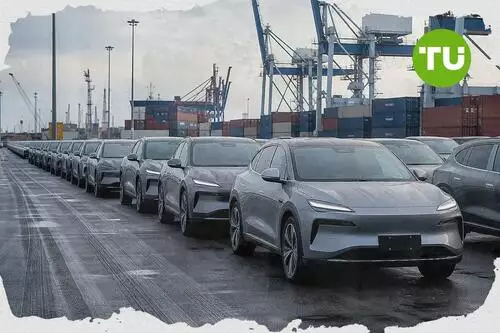
Europe's debate over trade measures on Chinese vehicle imports is shaping strategic decisions for automakers expanding in the region. The Stellantis-Leapmotor joint venture says a potential EU-China deal to cap hybrid vehicle imports could offer an alternative to tariffs while leaving key details to be clarified in the coming months.
Highlights
- Leapmotor International, the Stellantis-led joint venture, supports an EU-China import cap as an alternative to tariffs and awaits further clarification on policy terms.
- Chief Executive Danilo Annese confirms ongoing discussions with Stellantis about potential future Leapmotor manufacturing sites in Europe, including Madrid and locations outside Spain.
- Annese reports stronger-than-expected European electric vehicle demand, with notable increases in markets like Italy and Spain influencing regional production planning.
Trade stance and European manufacturing options
As reported by Reuters, Leapmotor International, the Stellantis-led joint venture, says it will comply with any agreement reached between the EU and China on hybrid vehicle imports, although its management says the terms still need further clarification.Speaking at the Paris Auto Show on Monday, Chief Executive Danilo Annese describes an import cap deal as an "interesting alternative to tariffs". He also says discussions with Stellantis are continuing over possible locations for future Leapmotor manufacturing sites in Europe, with Madrid among the options under consideration, alongside other sites outside Spain.
EV demand gains traction across Europe
Annese says demand for electric vehicles in Europe is gaining more traction than the venture expected a year ago. He adds that demand is also increasing in markets such as Italy and Spain, where EV penetration has traditionally been lower.The comments suggest the venture is assessing both policy risks and production planning as it builds its European footprint. Growing EV demand in southern European markets could influence where future manufacturing capacity is placed as the company weighs regional expansion options.
Our earlier article on Stellantis’ “Made in Europe” policy push explained how the automaker is urging EU regulators to introduce incentives and local-content thresholds as Chinese car brands rapidly gain share across Europe. It also highlighted how EU–China trade discussions, including proposed limits on hybrid-vehicle exports to the bloc, have become a key factor influencing market sentiment and manufacturers’ planning ahead of the Paris Motor Show.





Latest Stellantis News




-
 Afghanistan
-
 Albania
-
 Algeria
-
 Angola
-
 Argentina
-
 Armenia
-
 Australia
-
 Austria
-
 Azerbaijan
-
 Bahamas
-
 Bahrain
-
 Bangladesh
-
 Belarus
-
 Belgium
-
 Bolivia
-
 Botswana
-
 Brazil
-
 Brunei
-
 Bulgaria
-
 Cambodia
-
 Cameroon
-
 Canada
-
 Chile
Chile
-
 China
China
-
 Colombia
-
 Congo
Congo
-
 Costa Rica
-
 Cote d'Ivoire
-
 Croatia
-
 Cuba
Cuba
-
 Cyprus
-
 Czechia
-
 DR Congo
-
 Denmark
-
 Dominican Republic
-
 Ecuador
-
 Egypt
Egypt
-
 El Salvador
-
 Estonia
-
 Eswatini
-
 Ethiopia
-
 Finland
-
 France
-
 Georgia
-
 Germany
-
 Ghana
Ghana
-
 Greece
-
 Haiti
Haiti
-
 Hong Kong
-
 Hungary
-
 India
India
-
 Indonesia
-
 Iran, Islamic republic
-
 Iraq
Iraq
-
 Ireland
-
 Israel
-
 Italy
Italy
-
 Jamaica
-
 Japan
Japan
-
 Jordan
-
 Kazakhstan
-
 Kenya
Kenya
-
 Korea
Korea
-
 Kuwait
-
 Kyrgyzstan
-
 Laos
Laos
-
 Latvia
-
 Lebanon
-
 Lesotho
-
 Libya
Libya
-
 Lithuania
-
 Luxembourg
-
 Madagascar
-
 Malaysia
-
 Malta
Malta
-
 Mauritius
-
 Mexico
-
 Moldova
-
 Mongolia
-
 Montenegro
-
 Morocco
-
 Mozambique
-
 Myanmar
-
 Namibia
-
 Nepal
Nepal
-
 Netherlands
-
 New Zealand
-
 Nigeria
-
 North Macedonia
-
 Norway
-
 Oman
Oman
-
 Pakistan
-
 Palestine
-
 Panama
-
 Papua New Guinea
-
 Paraguay
-
 Peru
Peru
-
 Philippines
-
 Poland
-
 Portugal
-
 Puerto Rico
-
 Qatar
Qatar
-
 Reunion
-
 Romania
-
 Rwanda
-
 Saudi Arabia
-
 Serbia
-
 Singapore
-
 Slovakia
-
 Slovenia
-
 Somalia
-
 South Africa
-
 Spain
Spain
-
 Sri Lanka
-
 Sweden
-
 Switzerland
-
 Syria
Syria
-
 Taiwan
-
 Tajikistan
-
 Tanzania
-
 Thailand
-
 Trinidad and Tobago
-
 Tunisia
-
 Turkey
-
 UAE
UAE
-
 Uganda
-
 Ukraine
-
 United Kingdom
-
United States
-
 Uruguay
-
 Uzbekistan
-
 Venezuela
-
 Vietnam
-
 Yemen
Yemen
-
 Zambia
-
 Zimbabwe
- Forex
- Crypto












