
UK steps up EES border coordination with EU ahead of peak summer travel
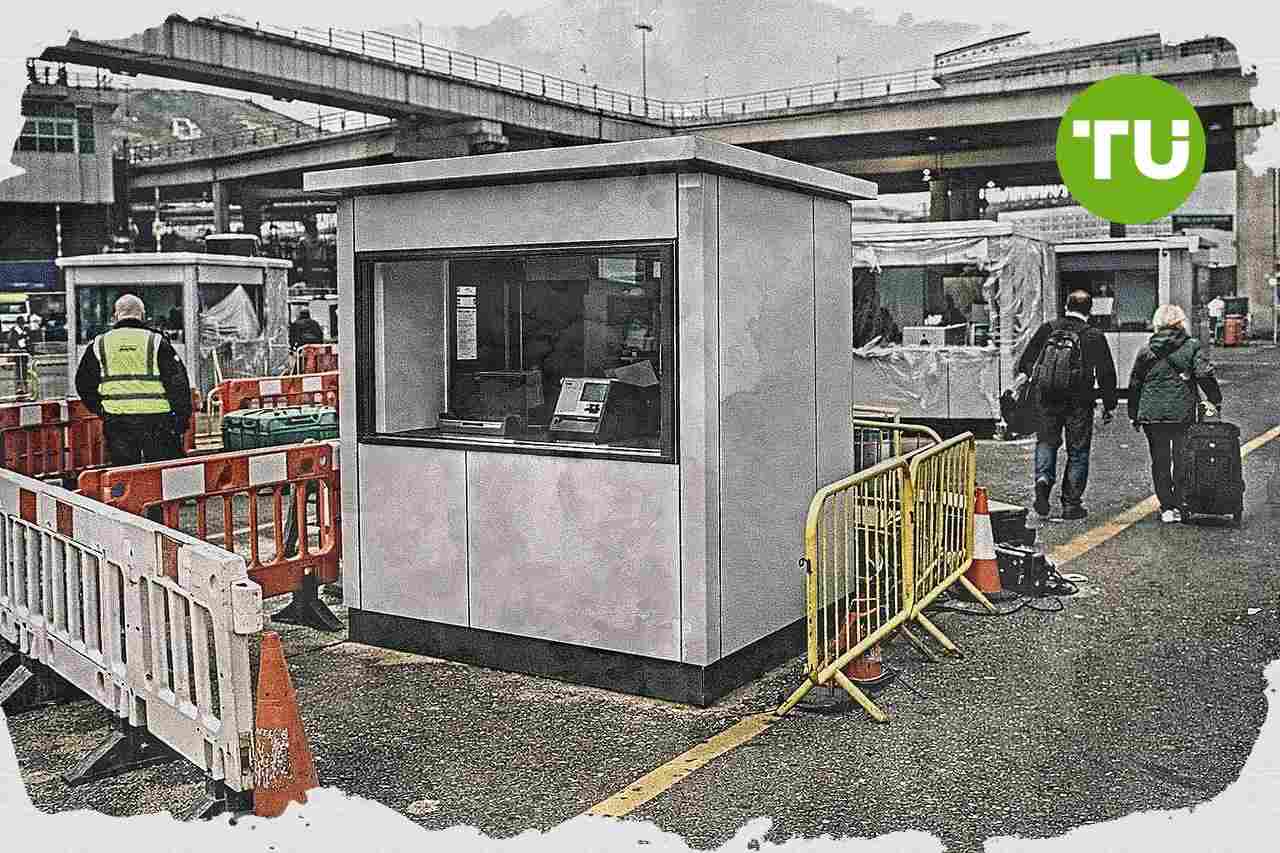
Ahead of the summer holiday rush, the UK government is intensifying work with the EU to limit disruption from expanded border security checks for travellers heading to Schengen countries. The effort follows fresh and previous funding for border infrastructure at Dover, Eurotunnel and Eurostar as officials prepare for heavier passenger flows through autumn.
Highlights
- The UK government pledged £20 million for additional passport check booths at the Port of Dover, supplementing £10.5 million already invested in Dover, Eurotunnel, and Eurostar facilities.
- Transport Secretary Heidi Alexander and EU Commissioner Apostolos Tzitzikostas agreed on 13 July 2026 to coordinate EES border implementation to minimize summer and autumn travel disruptions.
- EES, phased in from October 2025, requires non-EU passengers to provide biometric data, increasing operational demands at UK exit points like Dover and Eurostar.
Border preparations and funding plans
As reported by GOV.UK, Transport Secretary Heidi Alexander spoke on 13 July 2026 with European Commissioner for Sustainable Transport and Tourism Apostolos Tzitzikostas about the EU Entry/Exit System, or EES, and the impact it could have on holidaymakers during the busiest travel period of the year.Alexander raised concerns about passengers travelling during the summer getaway, and both sides agreed to work together to keep cross-border journeys as smooth as possible through summer and autumn. The discussion comes as the government commits £20 million to add more passport check booths at the Port of Dover, on top of £10.5 million already invested at Dover, Eurotunnel and Eurostar to help prevent disruption.
The additional support is also intended to expand vehicle processing capacity, with the aim of cutting waiting times and reducing congestion in future years. Industry partners welcome the government’s engagement, with Port of Dover chief executive Doug Bannister saying he is grateful for the support provided for peak-period preparations.
Security checks reshape UK-EU passenger flows
EES applies to all non-EU passengers entering and leaving Schengen countries and is first introduced in phases in October 2025. Since April, passengers should register at the border by scanning their passport and providing a photograph and fingerprints.Most of these checks take place in EU member states, but they are carried out in the UK for passengers using ferries through the Port of Dover or rail services into the EU. The measures are designed to strengthen border security, but they also increase operational pressure on key UK departure points during busy travel periods.
Our earlier coverage of Labour’s fiscal pressures ahead of a leadership transition looked at how tight public finances could constrain major policy commitments. We noted that high debt, rising spending demands and a weaker growth outlook may force difficult choices on borrowing and investment even as the government pursues closer ties with the EU.


Latest OFSI News






-
 Afghanistan
-
 Albania
-
 Algeria
-
 Angola
-
 Argentina
-
 Armenia
-
 Australia
-
 Austria
-
 Azerbaijan
-
 Bahamas
-
 Bahrain
-
 Bangladesh
-
 Belarus
-
 Belgium
-
 Bolivia
-
 Botswana
-
 Brazil
-
 Brunei
-
 Bulgaria
-
 Cambodia
-
 Cameroon
-
 Canada
-
 Chile
Chile
-
 China
China
-
 Colombia
-
 Congo
Congo
-
 Costa Rica
-
 Cote d'Ivoire
-
 Croatia
-
 Cuba
Cuba
-
 Cyprus
-
 Czechia
-
 DR Congo
-
 Denmark
-
 Dominican Republic
-
 Ecuador
-
 Egypt
Egypt
-
 El Salvador
-
 Estonia
-
 Eswatini
-
 Ethiopia
-
 Finland
-
 France
-
 Georgia
-
 Germany
-
 Ghana
Ghana
-
 Greece
-
 Haiti
Haiti
-
 Hong Kong
-
 Hungary
-
 India
India
-
 Indonesia
-
 Iran, Islamic republic
-
 Iraq
Iraq
-
 Ireland
-
 Israel
-
 Italy
Italy
-
 Jamaica
-
 Japan
Japan
-
 Jordan
-
 Kazakhstan
-
 Kenya
Kenya
-
 Korea
Korea
-
 Kuwait
-
 Kyrgyzstan
-
 Laos
Laos
-
 Latvia
-
 Lebanon
-
 Lesotho
-
 Libya
Libya
-
 Lithuania
-
 Luxembourg
-
 Madagascar
-
 Malaysia
-
 Malta
Malta
-
 Mauritius
-
 Mexico
-
 Moldova
-
 Mongolia
-
 Montenegro
-
 Morocco
-
 Mozambique
-
 Myanmar
-
 Namibia
-
 Nepal
Nepal
-
 Netherlands
-
 New Zealand
-
 Nigeria
-
 North Macedonia
-
 Norway
-
 Oman
Oman
-
 Pakistan
-
 Palestine
-
 Panama
-
 Papua New Guinea
-
 Paraguay
-
 Peru
Peru
-
 Philippines
-
 Poland
-
 Portugal
-
 Puerto Rico
-
 Qatar
Qatar
-
 Reunion
-
 Romania
-
 Rwanda
-
 Saudi Arabia
-
 Serbia
-
 Singapore
-
 Slovakia
-
 Slovenia
-
 Somalia
-
 South Africa
-
 Spain
Spain
-
 Sri Lanka
-
 Sweden
-
 Switzerland
-
 Syria
Syria
-
 Taiwan
-
 Tajikistan
-
 Tanzania
-
 Thailand
-
 Trinidad and Tobago
-
 Tunisia
-
 Turkey
-
 UAE
UAE
-
 Uganda
-
 Ukraine
-
 United Kingdom
-
United States
-
 Uruguay
-
 Uzbekistan
-
 Venezuela
-
 Vietnam
-
 Yemen
Yemen
-
 Zambia
-
 Zimbabwe
- Forex
- Crypto











