

UK defence plan boosts air and space spending with new drone and combat aircraft programmes
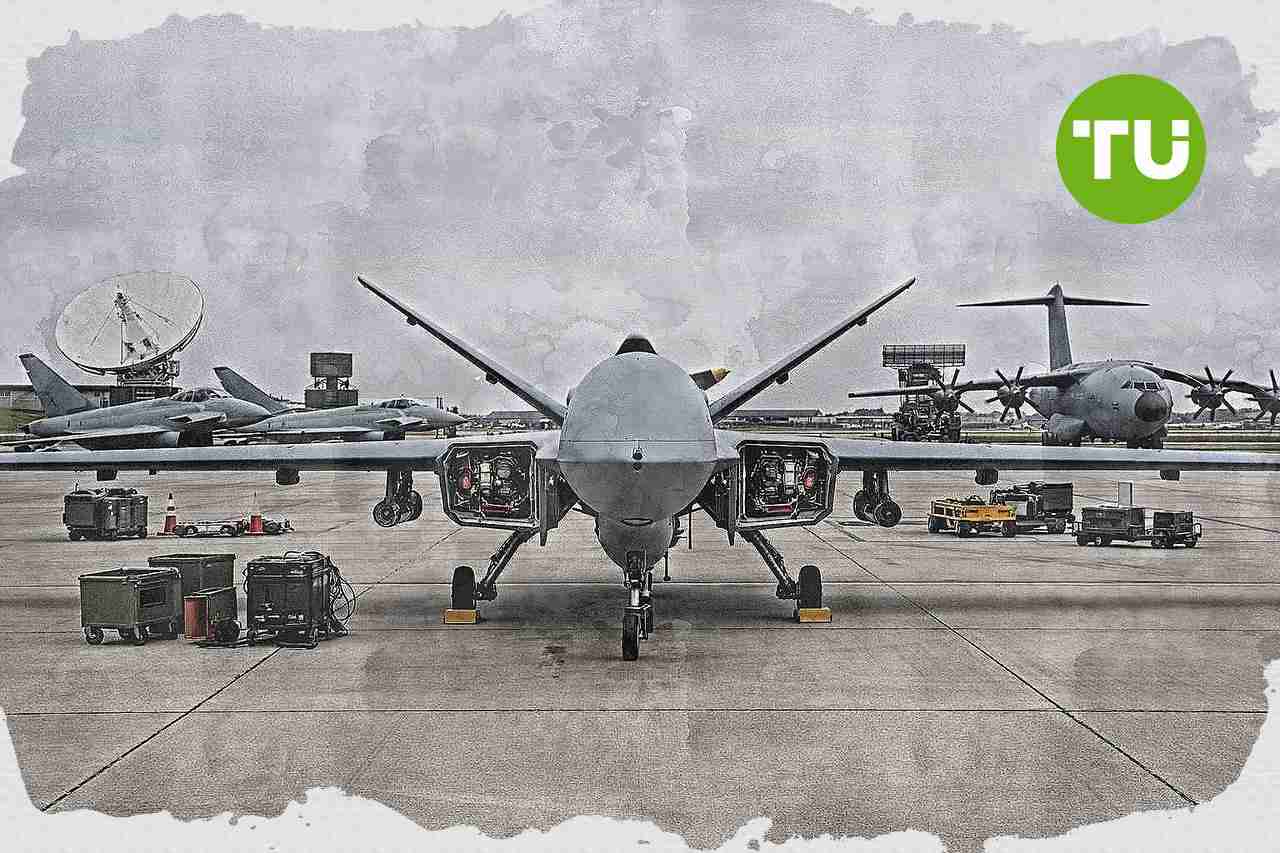
Britain is setting out a broader investment push for air and space capabilities as it reshapes its military posture around NATO deterrence, autonomous systems and next-generation combat aviation. The plan includes billions of pounds for fighter aircraft, drones, training, transport fleets and space assets, while the government says it is aimed at strengthening both security and domestic industrial growth.
Highlights
- UK Defence Investment Plan commits £298 billion over four years, with £31 billion allocated to air and space and £5 billion for drone innovation.
- Defence spending includes £8.6 billion for Global Combat Air Programme, £1.1 billion to upgrade Typhoon jets, and over £2 billion for RAF's first F-35A aircraft.
- £4.6 billion Tempest contract awarded to Edgewing Consortium as part of GCAP, benefitting BAE Systems, Leonardo, Japanese partners, and boosting UK supply chains and exports.
Air and space investment priorities
As stated in a speech published by GOV.UK, Defence Readiness and Industry Minister Luke Pollard says the Defence Investment Plan commits 298 billion pounds over the next four years, with 31 billion pounds earmarked for air and space. He describes the programme as a blueprint for a digitally integrated and AI-enabled force, including a new integrated air, space and missile defence operations centre, expanded drone capability and support for F-35, Typhoon and Tempest platforms.Pollard says the plan raises investment in UK drone innovation and capabilities to 5 billion pounds, up from 4 billion pounds previously announced. He also unveils the name of the UK's new autonomous collaborative combat aircraft programme, Storm Fighter, which he says will operate alongside crewed jets including Typhoon, F-35 and the future Tempest platform.
The speech sets out further allocations across the force structure, including 8.6 billion pounds for the design and testing phase of the Global Combat Air Programme, 1.1 billion pounds to upgrade and sustain Typhoon into the 2040s, more than 4.5 billion pounds for the A400M, Voyager and C-17 transport fleet, and more than 2 billion pounds to prepare for the RAF's first F-35A aircraft. Pollard also says 360 million pounds is allocated for a full recapitalisation of the jet training system, including future aircraft for the Red Arrows.
In space, Pollard says the Borealis Space Awareness System becomes operational six months ahead of schedule and that the UK has received its first images from the Noctis One military space telescope. He says a new space systems group under the National Armaments Director will help deliver additional capabilities, including what he describes as offensive space capabilities operated by six new specialist space squadrons trained at the Defence Space Academy alongside allies and partners.
Industrial and alliance impact
Pollard links the spending plan directly to the UK defence and aerospace industrial base, saying the investment is intended to create high-value jobs across the country's four nations and support exports, innovation and supply chains. He says the government is also preparing a new Defence Export Strategy later this year, with a broader focus on components and services as well as full platforms.He highlights a 4.6 billion pound contract awarded earlier this month to the Reading-based Edgewing Consortium for the design and test phase of Tempest and GCAP work, with BAE Systems, Leonardo and Japanese partners involved. He also points to benefits for British suppliers from export-linked activity tied to Typhoon, Gripen and F-35 programmes, saying thousands of UK workers stand to gain where Britain contributes between 15% and 37% of platform value.
Beyond procurement, Pollard says the UK is investing 182 million pounds in skills, including five new Defence Technical Excellence Colleges, with two located in Yeovil and Blackpool. He argues that a larger share of defence spending with UK-based companies will require a stronger pipeline of new recruits, graduates and mid-career workers to support long-term expansion in the sector.
The minister also frames the air power strategy within current operations and alliance commitments. He says RAF aircraft have worked with allies in the North Atlantic, over NATO's eastern flank and in the Middle East, while the 2025 Carrier Strike Group deployment to the Indo-Pacific involved more than 1,000 joint air exercise sorties. Pollard says the combination of allied cooperation and domestic industrial investment is intended to make the RAF Europe's first sixth-generation air force and reinforce deterrence for the UK and its partners.
Foreign takeovers of London-listed companies have been accelerating, as overseas buyers target UK firms they view as undervalued and internationally diversified. We previously reported on ABB’s agreement to buy UK engineering group Rotork for £4.1bn in cash to strengthen its automation business, highlighting how the deal fits into the broader 2024 wave of inbound bids for London-listed names.











-
 Afghanistan
-
 Albania
-
 Algeria
-
 Angola
-
 Argentina
-
 Armenia
-
 Australia
-
 Austria
-
 Azerbaijan
-
 Bahamas
-
 Bahrain
-
 Bangladesh
-
 Belarus
-
 Belgium
-
 Bolivia
-
 Botswana
-
 Brazil
-
 Brunei
-
 Bulgaria
-
 Cambodia
-
 Cameroon
-
 Canada
-
 Chile
Chile
-
 China
China
-
 Colombia
-
 Congo
Congo
-
 Costa Rica
-
 Cote d'Ivoire
-
 Croatia
-
 Cuba
Cuba
-
 Cyprus
-
 Czechia
-
 DR Congo
-
 Denmark
-
 Dominican Republic
-
 Ecuador
-
 Egypt
Egypt
-
 El Salvador
-
 Estonia
-
 Eswatini
-
 Ethiopia
-
 Finland
-
 France
-
 Georgia
-
 Germany
-
 Ghana
Ghana
-
 Greece
-
 Haiti
Haiti
-
 Hong Kong
-
 Hungary
-
 India
India
-
 Indonesia
-
 Iran, Islamic republic
-
 Iraq
Iraq
-
 Ireland
-
 Israel
-
 Italy
Italy
-
 Jamaica
-
 Japan
Japan
-
 Jordan
-
 Kazakhstan
-
 Kenya
Kenya
-
 Korea
Korea
-
 Kuwait
-
 Kyrgyzstan
-
 Laos
Laos
-
 Latvia
-
 Lebanon
-
 Lesotho
-
 Libya
Libya
-
 Lithuania
-
 Luxembourg
-
 Madagascar
-
 Malaysia
-
 Malta
Malta
-
 Mauritius
-
 Mexico
-
 Moldova
-
 Mongolia
-
 Montenegro
-
 Morocco
-
 Mozambique
-
 Myanmar
-
 Namibia
-
 Nepal
Nepal
-
 Netherlands
-
 New Zealand
-
 Nigeria
-
 North Macedonia
-
 Norway
-
 Oman
Oman
-
 Pakistan
-
 Palestine
-
 Panama
-
 Papua New Guinea
-
 Paraguay
-
 Peru
Peru
-
 Philippines
-
 Poland
-
 Portugal
-
 Puerto Rico
-
 Qatar
Qatar
-
 Reunion
-
 Romania
-
 Rwanda
-
 Saudi Arabia
-
 Serbia
-
 Singapore
-
 Slovakia
-
 Slovenia
-
 Somalia
-
 South Africa
-
 Spain
Spain
-
 Sri Lanka
-
 Sweden
-
 Switzerland
-
 Syria
Syria
-
 Taiwan
-
 Tajikistan
-
 Tanzania
-
 Thailand
-
 Trinidad and Tobago
-
 Tunisia
-
 Turkey
-
 UAE
UAE
-
 Uganda
-
 Ukraine
-
 United Kingdom
-
United States
-
 Uruguay
-
 Uzbekistan
-
 Venezuela
-
 Vietnam
-
 Yemen
Yemen
-
 Zambia
-
 Zimbabwe
- Forex
- Crypto












