
UK-India trade deal takes effect, cutting tariffs across key goods sectors
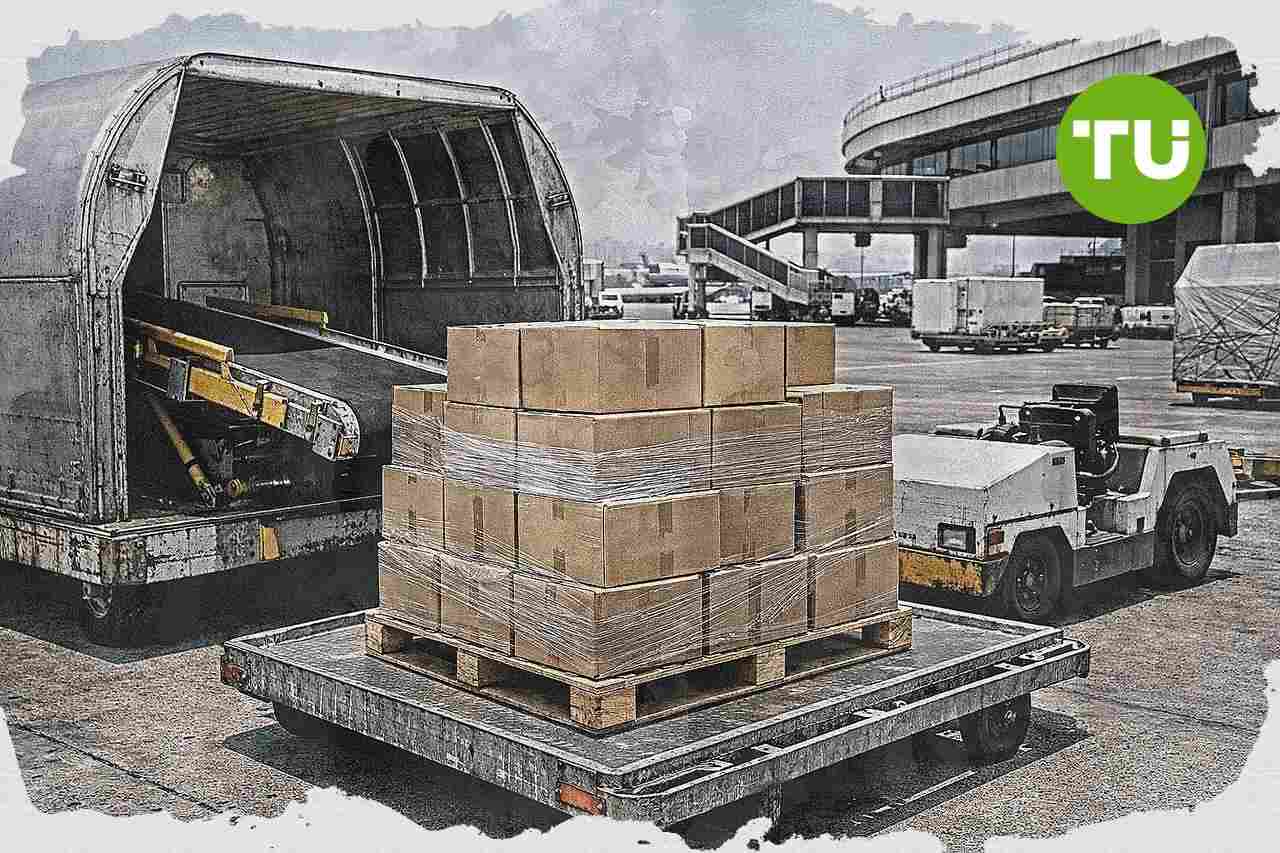
The UK-India Free Trade Agreement enters into force on 15 July, marking a major step in the two countries' economic partnership. The deal applies tariff cuts from day one and is positioned to support faster trade flows across goods and services worth £48 billion in 2025.
Highlights
- From 15 July, 99% of Indian goods entering the UK and 90% of UK goods entering India become duty free or receive tariff reductions.
- The deal covers automotive, manufacturing, consumer goods, creative industries, and medical technology sectors, with shipments of UK products benefiting from lower tariffs already arriving in India.
- UK-India trade agreement is projected to boost bilateral trade by £25.5 billion annually, raise Indian GDP by £5.1 billion, and UK GDP by £4.8 billion each year.
Tariff cuts begin across bilateral trade
As reported by GOV.UK, the agreement takes effect on 15 July and immediately changes market access conditions for trade between the UK and India.Under the terms now in force, 99% of Indian goods entering the UK and 90% of UK goods entering India are either duty free or subject to reduced tariffs. The arrangement covers sectors including automotive, manufacturing, consumer goods, creative industries and medical technology, and the government describes it as the biggest milestone in the bilateral economic partnership.
To mark the start of the agreement, a package of British goods arrives at the British Deputy High Commission in Mumbai aboard a British Airways flight on the morning of 15 July. The shipment includes UK products benefiting from lower tariffs, including cosmetics, food products and alcoholic beverages, and is unveiled by Harjinder Kang, His Majesty’s Trade Commissioner for South Asia, and David Wright, British Airways’ General Manager in India.
Growth expectations for the UK and India
Officials and business representatives present the agreement as a measure that gives consumers cheaper, quicker and easier access to British and Indian products and services across both markets.Harjinder Kang says the deal is a watershed moment for the UK-India partnership, while British Airways says the agreement strengthens the long-term potential of a major international corridor for trade, investment and tourism. The airline says it operates 63 weekly flights between the markets, with that figure set to rise to 70 by the end of summer.
In the longer term, the deal is expected to increase bilateral trade by £25.5 billion a year, while lifting Indian GDP by £5.1 billion annually and UK GDP by £4.8 billion annually.
In our earlier article on the UK’s next economic agenda, we explained the case for pairing fiscal discipline with a clear, consistently executed growth strategy to lift productivity and competitiveness. We also noted that without stronger implementation and institutional reform—particularly in how the Treasury balances growth and fiscal mandates—the UK could face higher borrowing costs, weaker investment and slower long-term growth.


Latest Trade Deals News






-
 Afghanistan
-
 Albania
-
 Algeria
-
 Angola
-
 Argentina
-
 Armenia
-
 Australia
-
 Austria
-
 Azerbaijan
-
 Bahamas
-
 Bahrain
-
 Bangladesh
-
 Belarus
-
 Belgium
-
 Bolivia
-
 Botswana
-
 Brazil
-
 Brunei
-
 Bulgaria
-
 Cambodia
-
 Cameroon
-
 Canada
-
 Chile
Chile
-
 China
China
-
 Colombia
-
 Congo
Congo
-
 Costa Rica
-
 Cote d'Ivoire
-
 Croatia
-
 Cuba
Cuba
-
 Cyprus
-
 Czechia
-
 DR Congo
-
 Denmark
-
 Dominican Republic
-
 Ecuador
-
 Egypt
Egypt
-
 El Salvador
-
 Estonia
-
 Eswatini
-
 Ethiopia
-
 Finland
-
 France
-
 Georgia
-
 Germany
-
 Ghana
Ghana
-
 Greece
-
 Haiti
Haiti
-
 Hong Kong
-
 Hungary
-
 India
India
-
 Indonesia
-
 Iran, Islamic republic
-
 Iraq
Iraq
-
 Ireland
-
 Israel
-
 Italy
Italy
-
 Jamaica
-
 Japan
Japan
-
 Jordan
-
 Kazakhstan
-
 Kenya
Kenya
-
 Korea
Korea
-
 Kuwait
-
 Kyrgyzstan
-
 Laos
Laos
-
 Latvia
-
 Lebanon
-
 Lesotho
-
 Libya
Libya
-
 Lithuania
-
 Luxembourg
-
 Madagascar
-
 Malaysia
-
 Malta
Malta
-
 Mauritius
-
 Mexico
-
 Moldova
-
 Mongolia
-
 Montenegro
-
 Morocco
-
 Mozambique
-
 Myanmar
-
 Namibia
-
 Nepal
Nepal
-
 Netherlands
-
 New Zealand
-
 Nigeria
-
 North Macedonia
-
 Norway
-
 Oman
Oman
-
 Pakistan
-
 Palestine
-
 Panama
-
 Papua New Guinea
-
 Paraguay
-
 Peru
Peru
-
 Philippines
-
 Poland
-
 Portugal
-
 Puerto Rico
-
 Qatar
Qatar
-
 Reunion
-
 Romania
-
 Rwanda
-
 Saudi Arabia
-
 Serbia
-
 Singapore
-
 Slovakia
-
 Slovenia
-
 Somalia
-
 South Africa
-
 Spain
Spain
-
 Sri Lanka
-
 Sweden
-
 Switzerland
-
 Syria
Syria
-
 Taiwan
-
 Tajikistan
-
 Tanzania
-
 Thailand
-
 Trinidad and Tobago
-
 Tunisia
-
 Turkey
-
 UAE
UAE
-
 Uganda
-
 Ukraine
-
 United Kingdom
-
United States
-
 Uruguay
-
 Uzbekistan
-
 Venezuela
-
 Vietnam
-
 Yemen
Yemen
-
 Zambia
-
 Zimbabwe
- Forex
- Crypto











