
UK steel quotas for India raise risk for Tata Steel’s Welsh plant
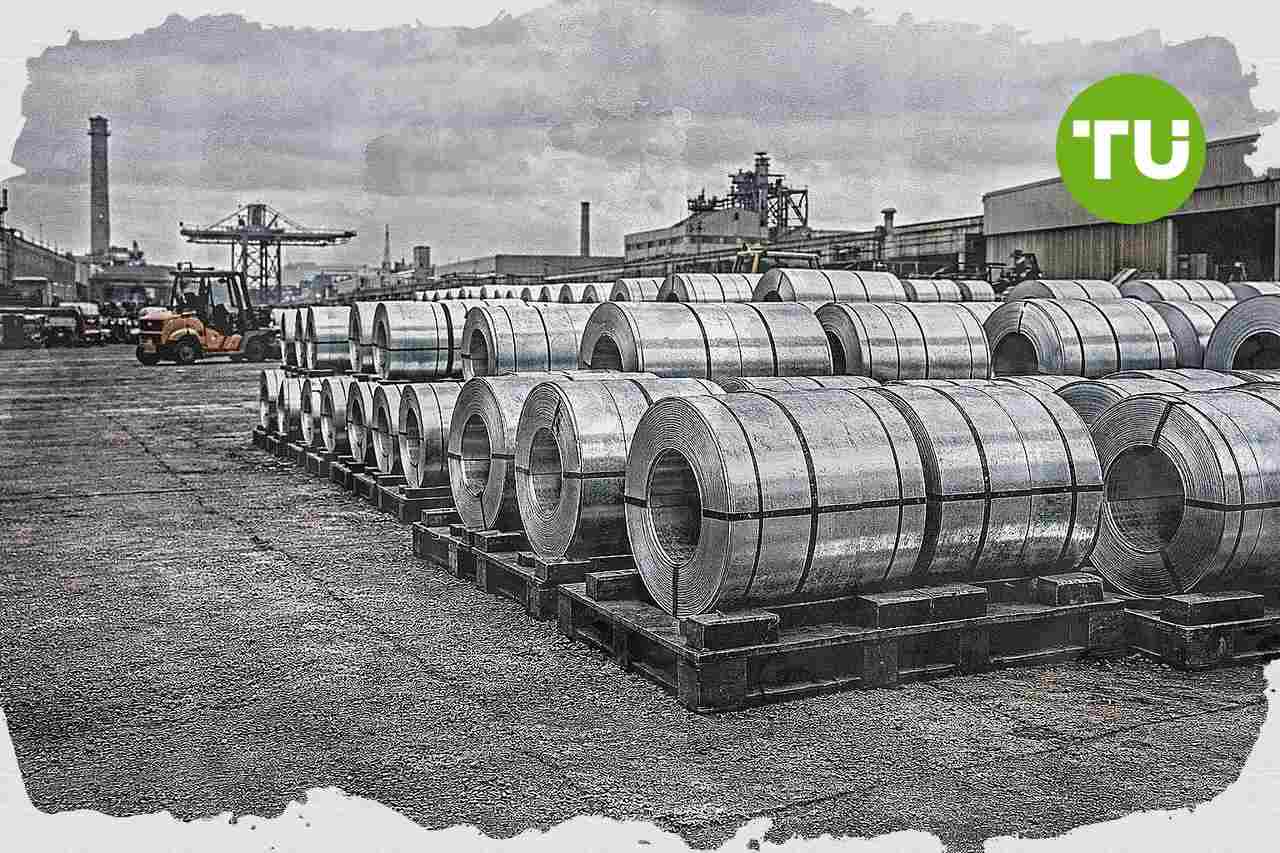
Late changes to UK steel import quotas are raising concern over the future of galvanised steel production at Tata Steel UK’s Llanwern plant in Newport. The issue emerges as London implements wider safeguard measures this month while preserving a larger tariff-free allocation for Indian shipments under the UK-India trade deal.
Highlights
- UK grants India a 125,000-tonne galvanised steel quota on July 1, a sharp increase from the previous 43,000 tonnes exported last year.
- The revised quotas, particularly concerning Category 4 steel, threaten Tata Steel UK's Llanwern plant, which produces 600,000 tonnes annually—about half of UK demand.
- Despite implementing safeguards halving quotas and doubling tariffs to 50%, the UK steel industry's revenue could fall by hundreds of millions of pounds due to increased low-cost imports.
Quota changes tied to UK-India trade talks
As first reported by the Financial Times, British negotiators make last-minute concessions on galvanised steel quotas during June talks with India to help secure implementation of the UK-India free trade deal. Industry insiders and union representatives say the decision weakens protection for a sensitive part of the domestic steel sector despite broader government efforts to shield UK producers from low-priced imports.Three people familiar with the negotiations say the UK had indicated to New Delhi that it planned significant cuts to India’s tariff-free steel allocation as part of a separate safeguards regime. But as the July 1 deadline for the new quotas approached, the UK retreats on galvanised steel after India threatens to delay the trade agreement announced last year.
Alok Sahay, secretary-general of the Indian Steel Association, says the UK had initially planned to cut India’s quota by a substantial amount before relenting in the negotiations. India’s commerce ministry also confirms that New Delhi pressed London to enhance the steel quotas and says India secured market access continuity for its exporters after prolonged discussions.
Last year, India exported 43,000 tonnes of galvanised steel, known in the industry as Category 4 steel, to the UK, according to International Steel Statistics Bureau data. After the June negotiations, the UK grants India a 125,000-tonne quota in the steel measures announced on July 1, while comparable allocations of 100,000 tonnes and 175,000 tonnes are also given to South Korea and Vietnam under World Trade Organization equal-treatment rules.
Pressure on Llanwern and wider UK industry
The quotas are seen as especially significant for Tata Steel UK’s Llanwern plant in South Wales, which produces about 600,000 tonnes of galvanised steel a year, nearly half of total UK demand for the material. Union leaders warn that the revised import terms could undermine one of the UK’s most important steel assets, particularly as the plant supplies automotive and construction customers.Alasdair McDiarmid, assistant general secretary of the Community union, says the quotas are punitive even as workers welcome recent government support for the sector, including the nationalisation of British Steel. He warns the measure threatens the sustainability of Llanwern, and adds that imports from Vietnam, including steel reprocessed from excess Chinese supply, pose the biggest immediate risk.
From this month, the UK is imposing a steel safeguards regime that halves quotas and doubles import tariffs to 50 per cent, following similar action by the EU, U.S. and Canada to address a global oversupply of steel, much of it from China. Policy specialists say the decision to expand galvanised steel quotas is difficult to reconcile with earlier steps to curb imports from Vietnam and South Korea.
When the final quotas are announced, Tata Steel UK chief executive Rajesh Nair says in a statement that the company is very concerned about the long-term competitiveness implications for the industry. One insider says the new arrangements could cost the UK steel sector hundreds of millions of pounds in lost revenue, while a government spokesperson says the measure is intended to balance domestic protection with secure supply and will be reviewed after 12 months.
Our earlier coverage of Jingye’s compensation demand over the UK nationalisation of British Steel explained that the Chinese owner said it was offered near-zero compensation and called for prompt, full repayment of its alleged investment losses. We also noted that Beijing signalled it was monitoring the situation and could respond to protect its interests, underscoring the financial and political risks of state intervention in the UK steel sector.


Latest Steel Dynamics Inc News





-
 Afghanistan
-
 Albania
-
 Algeria
-
 Angola
-
 Argentina
-
 Armenia
-
 Australia
-
 Austria
-
 Azerbaijan
-
 Bahamas
-
 Bahrain
-
 Bangladesh
-
 Belarus
-
 Belgium
-
 Bolivia
-
 Botswana
-
 Brazil
-
 Brunei
-
 Bulgaria
-
 Cambodia
-
 Cameroon
-
 Canada
-
 Chile
Chile
-
 China
China
-
 Colombia
-
 Congo
Congo
-
 Costa Rica
-
 Cote d'Ivoire
-
 Croatia
-
 Cuba
Cuba
-
 Cyprus
-
 Czechia
-
 DR Congo
-
 Denmark
-
 Dominican Republic
-
 Ecuador
-
 Egypt
Egypt
-
 El Salvador
-
 Estonia
-
 Eswatini
-
 Ethiopia
-
 Finland
-
 France
-
 Georgia
-
 Germany
-
 Ghana
Ghana
-
 Greece
-
 Haiti
Haiti
-
 Hong Kong
-
 Hungary
-
 India
India
-
 Indonesia
-
 Iran, Islamic republic
-
 Iraq
Iraq
-
 Ireland
-
 Israel
-
 Italy
Italy
-
 Jamaica
-
 Japan
Japan
-
 Jordan
-
 Kazakhstan
-
 Kenya
Kenya
-
 Korea
Korea
-
 Kuwait
-
 Kyrgyzstan
-
 Laos
Laos
-
 Latvia
-
 Lebanon
-
 Lesotho
-
 Libya
Libya
-
 Lithuania
-
 Luxembourg
-
 Madagascar
-
 Malaysia
-
 Malta
Malta
-
 Mauritius
-
 Mexico
-
 Moldova
-
 Mongolia
-
 Montenegro
-
 Morocco
-
 Mozambique
-
 Myanmar
-
 Namibia
-
 Nepal
Nepal
-
 Netherlands
-
 New Zealand
-
 Nigeria
-
 North Macedonia
-
 Norway
-
 Oman
Oman
-
 Pakistan
-
 Palestine
-
 Panama
-
 Papua New Guinea
-
 Paraguay
-
 Peru
Peru
-
 Philippines
-
 Poland
-
 Portugal
-
 Puerto Rico
-
 Qatar
Qatar
-
 Reunion
-
 Romania
-
 Rwanda
-
 Saudi Arabia
-
 Serbia
-
 Singapore
-
 Slovakia
-
 Slovenia
-
 Somalia
-
 South Africa
-
 Spain
Spain
-
 Sri Lanka
-
 Sweden
-
 Switzerland
-
 Syria
Syria
-
 Taiwan
-
 Tajikistan
-
 Tanzania
-
 Thailand
-
 Trinidad and Tobago
-
 Tunisia
-
 Turkey
-
 UAE
UAE
-
 Uganda
-
 Ukraine
-
 United Kingdom
-
United States
-
 Uruguay
-
 Uzbekistan
-
 Venezuela
-
 Vietnam
-
 Yemen
Yemen
-
 Zambia
-
 Zimbabwe
- Forex
- Crypto











