The tweet was deleted by the author.
But we saved everything 🙂.


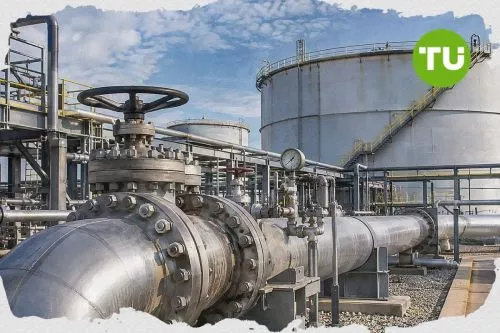
Saudi Arabia suspended operations at its East-West oil pipeline following a series of attacks on September 11. The 7 million-barrel-a-day route has become a key alternative to the Strait of Hormuz amid the war with Iran.
The country's energy ministry said the pipeline was shut as a precautionary measure. Several people were injured in the attacks, while emergency teams began assessing the safety of the infrastructure.
View post on X Loading...
According to Saudi Arabia's Foreign Ministry, several drones launched from Iraq targeted the pipeline in the Riyadh and Medina regions.
East-West transports oil from the Persian Gulf to the Red Sea, where it can be loaded onto tankers and shipped without passing through the Strait of Hormuz. After shipping through the strait dropped sharply because of the war with Iran, the pipeline quickly reached its full capacity.
However, the alternative route has also come under pressure. Iran-backed Houthis have attacked Saudi energy infrastructure and vessels in the Red Sea in recent weeks, while their forces have advanced along Yemen's coast toward the Bab al-Mandeb Strait.
Saudi Arabia's oil exports fell to around 3 million barrels a day in August, the lowest level since available records began in 2017. At the same time, oil product shipments through the Strait of Hormuz dropped to around 1 million barrels a day from roughly 4 million before the war.
Eurasia Group analyst Gregory Brew said the attacks demonstrated that Iran and its allies have both the capability and the willingness to strike regional energy infrastructure.
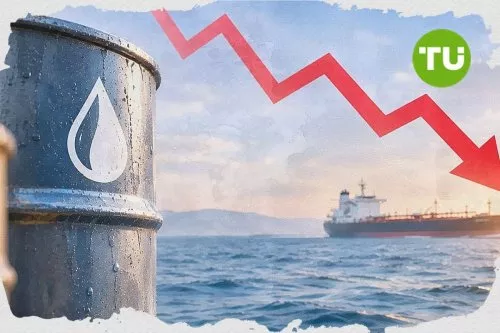
Brent traded at around $105 a barrel following the Saudi announcement. A day earlier, prices had approached $110 amid concerns about further disruptions to Middle Eastern supplies.
Supply disruptions are already affecting fuel prices. The average U.S. retail gasoline price remains above $4 a gallon, while diesel has climbed to around a record $6 a gallon.
Against this backdrop, the White House is considering using the Defense Production Act to expand U.S. oil refining capacity. The discussions come as U.S. crude inventories decline and much of the emergency reserves previously released by governments have already reached the market.
The Donald Trump administration is seeking to contain rising fuel prices ahead of the November midterm elections. The ongoing conflict with Iran, however, continues to pose risks of further disruptions to global energy supplies.
Earlier, U.S. inflation data increased expectations of further monetary policy tightening by the Federal Reserve. The probability of a rate hike increased, while expectations among Wall Street participants stabilized.



 Afghanistan
 Albania
 Algeria
 Angola
 Argentina
 Armenia
 Australia
 Austria
 Azerbaijan
 Bahamas
 Bahrain
 Bangladesh
 Belarus
 Belgium
 Bolivia
 Botswana
 Brazil
 Brunei
 Bulgaria
 Cambodia
 Cameroon
 Canada
 Chile
 China
 Colombia
 Congo
 Costa Rica
 Cote d'Ivoire
 Croatia
 Cuba
 Cyprus
 Czechia
 DR Congo
 Denmark
 Dominican Republic
 Ecuador
 Egypt
 El Salvador
 Estonia
 Eswatini
 Ethiopia
 Finland
 France
 Georgia
 Germany
 Ghana
 Greece
 Haiti
 Hong Kong
 Hungary
 India
 Indonesia
 Iran, Islamic republic
 Iraq
 Ireland
 Israel
 Italy
 Jamaica
 Japan
 Jordan
 Kazakhstan
 Kenya
 Korea
 Kuwait
 Kyrgyzstan
 Laos
 Latvia
 Lebanon
 Lesotho
 Libya
 Lithuania
 Luxembourg
 Madagascar
 Malaysia
 Malta
 Mauritius
 Mexico
 Moldova
 Mongolia
 Montenegro
 Morocco
 Mozambique
 Myanmar
 Namibia
 Nepal
 Netherlands
 New Zealand
 Nigeria
 North Macedonia
 Norway
 Oman
 Pakistan
 Palestine
 Panama
 Papua New Guinea
 Paraguay
 Peru
 Philippines
 Poland
 Portugal
 Puerto Rico
 Qatar
 Reunion
 Romania
 Rwanda
 Saudi Arabia
 Serbia
 Singapore
 Slovakia
 Slovenia
 Somalia
 South Africa
 Spain
 Sri Lanka
 Sweden
 Switzerland
 Syria
 Taiwan
 Tajikistan
 Tanzania
 Thailand
 Trinidad and Tobago
 Tunisia
 Turkey
 UAE
 Uganda
 Ukraine
 United Kingdom
United States
 Uruguay
 Uzbekistan
 Venezuela
 Vietnam
 Yemen
 Zambia
 Zimbabwe