

Iran strikes vessels in Strait of Hormuz

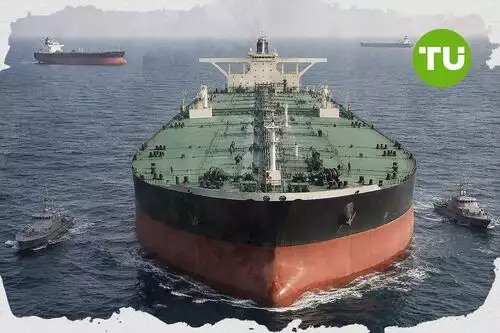
Iran said its forces attacked two U.S. vessels and eight oil tankers in the Strait of Hormuz on Wednesday, escalating a renewed cycle of strikes against American military and energy assets. The confrontation has again put shipping at the center of the six-month conflict, with both sides targeting vessels as they seek economic leverage.
Highlights
- Iran says it attacked two U.S. vessels and eight oil tankers.
- The U.S. destroyed five Iranian crude tankers Tuesday.
- Military and shipping risks are rising across the Gulf.
Iran’s Islamic Revolutionary Guard Corps said the 10 vessels had entered an area it designated prohibited and unsafe, CNBC reported. The Iranian action followed U.S. strikes Tuesday that destroyed five Iranian crude tankers after two unsuccessful ballistic-missile attacks on an American warship.
Tanker strikes widen the confrontation
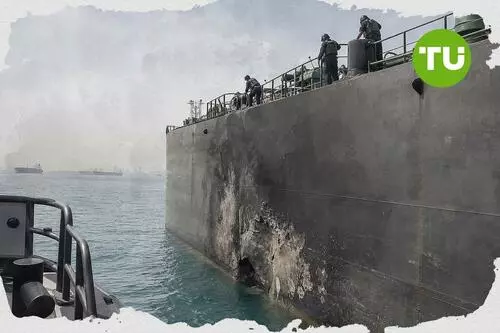
U.S. Central Command said four Iranian tankers were struck in the Gulf of Oman and a fifth near Kharg Island, Iran’s main crude-export hub. Crews were instructed to abandon the vessels before they were disabled. The U.S. said the targeted tankers were linked to a network financing the IRGC and its regional allies.
Washington had already destroyed three Iranian crude carriers on Saturday following another attempted attack on U.S. naval vessels. The latest exchange shows how quickly a period of relative calm has given way to renewed military activity across the Gulf.
Iran also launched ballistic missiles toward a base used by U.S. forces near Al Azraq in Jordan. Jordan said its air defenses intercepted 18 of 20 missiles, while two landed in unpopulated areas. No casualties were reported.
Regional energy infrastructure comes under pressure
The confrontation is no longer confined to U.S. and Iranian assets. Iran has threatened tankers near Kuwaiti and Bahraini ports, while a liquefied natural gas tanker was reported damaged at Khor Fakkan in the United Arab Emirates, although responsibility remained unclear.
Yemen's Iran-aligned Houthis have also widened the conflict. Their attacks Tuesday struck Saudi cities and energy installations in Abha, Najran, and Jazan, leaving 73 people wounded and setting facilities ablaze.
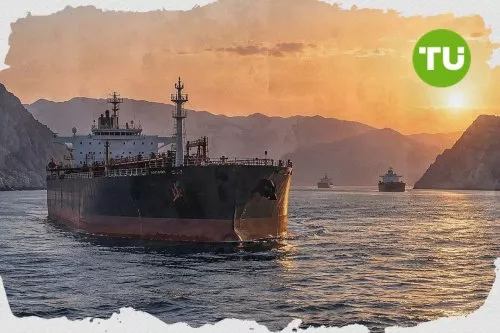
The combined pressure on shipping and energy infrastructure has intensified concerns about supplies moving through one of the world's most important maritime energy corridors. Commercial traffic has already been disrupted by repeated attacks and restrictions around the strait.
Oil markets remain exposed to Gulf escalation
The growing focus on tankers makes the conflict particularly important for energy markets. Washington is attempting to maintain international shipping while restricting Iranian crude exports, while Tehran is using maritime pressure to raise the economic cost of continued U.S. operations.
Oil remains close to recent multi-week highs despite easing slightly in the latest session. Brent crude was trading at $98.86 a barrel, down 0.52%, while U.S. WTI stood at $93.80, down 0.49%. The limited pullback leaves both benchmarks elevated as traders assess whether attacks on tankers, Saudi energy facilities, and Gulf shipping will produce longer-lasting supply disruptions.
As we previously reported, EU backs U.S. sanctions on Iran as Hormuz tensions persist.






Latest Iran war News


-
 Afghanistan
-
 Albania
-
 Algeria
-
 Angola
-
 Argentina
-
 Armenia
-
 Australia
-
 Austria
-
 Azerbaijan
-
 Bahamas
-
 Bahrain
-
 Bangladesh
-
 Belarus
-
 Belgium
-
 Bolivia
-
 Botswana
-
 Brazil
-
 Brunei
-
 Bulgaria
-
 Cambodia
-
 Cameroon
-
 Canada
-
 Chile
-
 China
-
 Colombia
-
 Congo
-
 Costa Rica
-
 Cote d'Ivoire
-
 Croatia
-
 Cuba
-
 Cyprus
-
 Czechia
-
 DR Congo
-
 Denmark
-
 Dominican Republic
-
 Ecuador
-
 Egypt
-
 El Salvador
-
 Estonia
-
 Eswatini
-
 Ethiopia
-
 Finland
-
 France
-
 Georgia
-
 Germany
-
 Ghana
-
 Greece
-
 Haiti
-
 Hong Kong
-
 Hungary
-
 India
-
 Indonesia
-
 Iran, Islamic republic
-
 Iraq
-
 Ireland
-
 Israel
-
 Italy
-
 Jamaica
-
 Japan
-
 Jordan
-
 Kazakhstan
-
 Kenya
-
 Korea
-
 Kuwait
-
 Kyrgyzstan
-
 Laos
-
 Latvia
-
 Lebanon
-
 Lesotho
-
 Libya
-
 Lithuania
-
 Luxembourg
-
 Madagascar
-
 Malaysia
-
 Malta
-
 Mauritius
-
 Mexico
-
 Moldova
-
 Mongolia
-
 Montenegro
-
 Morocco
-
 Mozambique
-
 Myanmar
-
 Namibia
-
 Nepal
-
 Netherlands
-
 New Zealand
-
 Nigeria
-
 North Macedonia
-
 Norway
-
 Oman
-
 Pakistan
-
 Palestine
-
 Panama
-
 Papua New Guinea
-
 Paraguay
-
 Peru
-
 Philippines
-
 Poland
-
 Portugal
-
 Puerto Rico
-
 Qatar
-
 Reunion
-
 Romania
-
 Rwanda
-
 Saudi Arabia
-
 Serbia
-
 Singapore
-
 Slovakia
-
 Slovenia
-
 Somalia
-
 South Africa
-
 Spain
-
 Sri Lanka
-
 Sweden
-
 Switzerland
-
 Syria
-
 Taiwan
-
 Tajikistan
-
 Tanzania
-
 Thailand
-
 Trinidad and Tobago
-
 Tunisia
-
 Turkey
-
 UAE
-
 Uganda
-
 Ukraine
-
 United Kingdom
-
United States
-
 Uruguay
-
 Uzbekistan
-
 Venezuela
-
 Vietnam
-
 Yemen
-
 Zambia
-
 Zimbabwe
- Forex
- Crypto












