

UN General Assembly debate spotlights climate finance pressure on small island states

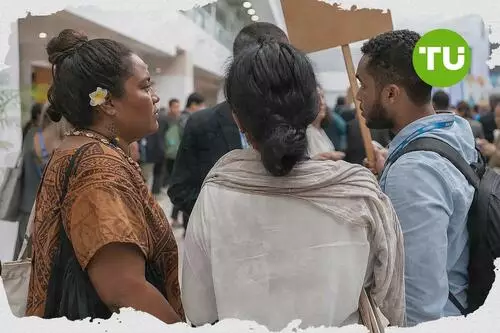
Small island states are using the fourth day of the UN General Assembly's high-level debate to press for climate justice, ocean protection and stronger international solidarity. Leaders say rising seas, disrupted trade routes and weak access to climate funding are already straining national borders, food security and economic stability.
Highlights
- Small island and coastal states at the UN General Assembly demand climate finance reform, emphasizing current economic and security threats from rising sea levels and disasters.
- Leaders call for adoption of the multidimensional vulnerability index and warn that borrowing for repeated climate disaster recovery is unsustainable for vulnerable countries.
- Solomon Islands highlights that over $2.9 trillion global military spending in the past year far exceeds official development assistance and annual climate finance flows from developed countries.
Climate funding and security concerns
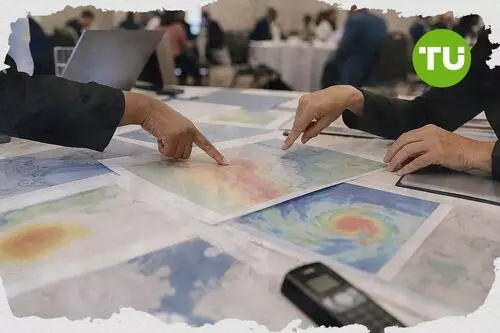
As reported by UN News, leaders from island and coastal states say climate change is no longer a future risk but a current economic and security threat that is reshaping livelihoods and public finances. They argue that countries with limited responsibility for global emissions are still bearing repeated costs for adaptation, reconstruction and loss recovery.Tuvalu Prime Minister Feleti Teo describes sea-level rise as a present reality and points to efforts to reclaim elevated, flood-free land on Funafuti. Saint Lucia Prime Minister Philip J. Pierre says climate finance is about justice rather than charity, while Samoa Deputy Prime Minister Mulipola Anarosa Ale Molioo calls for funding that is accessible, responsive and free of conditions.
Saint Vincent and the Grenadines Prime Minister Godwin Friday says vulnerable states cannot keep borrowing to rebuild what climate-related disasters repeatedly destroy. Speakers also call for fuller use of the multidimensional vulnerability index so financing decisions reflect exposure to climate shocks rather than relying mainly on income per person.
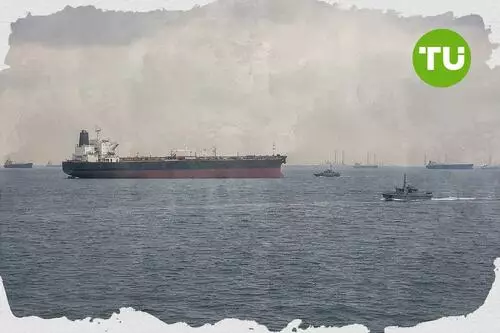
Security risks extend beyond climate impacts alone. Egypt Prime Minister Moustafa Kamal Madbouly says water security is an existential issue linked to the Nile, while Kazakhstan proposes an international water organization under UN auspices. Maldives Vice President Hussain Mohamed Latheef and Bahrain Foreign Minister Abdullatif bin Rashid Al Zayani warn that geopolitical rivalry and disruptions in major waterways can quickly raise food, fuel and transport costs for smaller states.
Ocean policy and wider global imbalances
Island leaders frame ocean protection as a matter of national survival, linking maritime governance directly to sovereignty, food systems and economic resilience. Tuvalu describes itself as a large ocean state with responsibility for about 750,000 square kilometres of ocean despite its small land area, while Mauritius backs prompt implementation of the High Seas Treaty and its commitment to the 1982 UN Convention on the Law of the Sea.Solomon Islands Prime Minister Matthew Wale says Sustainable Development Goal 14, focused on life below water, remains among the least funded UN goals. He also contrasts the shortage of climate and development finance with military spending, saying the world spent more than $2.9 trillion on militaries last year, far above official development assistance and annual climate finance flows from developed countries.
Pacific leaders also highlight the lasting business and social costs of nuclear testing. Kiribati President Taneti Maamau supports the Treaty on the Prohibition of Nuclear Weapons and a trust fund for victims, while Marshall Islands President Hilda Heine calls on the United Nations to apologize for harm caused by 67 nuclear tests conducted in her country between 1946 and 1958.
In our earlier article on sovereign debt warning narratives, we examined how fears of imminent public-debt blowouts can echo earlier alarmist claims about climate-driven market shocks. We noted that headline debt levels can be misleading when analysts ignore government assets and policy tools, and that factors like financial repression, inflation, growth and technology-led productivity gains can materially change debt trajectories. The piece also highlighted how abrupt rises in bond yields can tighten financial conditions and raise borrowing costs for high-debt economies—an important backdrop as vulnerable states warn they cannot keep borrowing to rebuild after climate disasters.






Latest UN Sanctions News


-
 Afghanistan
-
 Albania
-
 Algeria
-
 Angola
-
 Argentina
-
 Armenia
-
 Australia
-
 Austria
-
 Azerbaijan
-
 Bahamas
-
 Bahrain
-
 Bangladesh
-
 Belarus
-
 Belgium
-
 Bolivia
-
 Botswana
-
 Brazil
-
 Brunei
-
 Bulgaria
-
 Cambodia
-
 Cameroon
-
 Canada
-
 Chile
-
 China
-
 Colombia
-
 Congo
-
 Costa Rica
-
 Cote d'Ivoire
-
 Croatia
-
 Cuba
-
 Cyprus
-
 Czechia
-
 DR Congo
-
 Denmark
-
 Dominican Republic
-
 Ecuador
-
 Egypt
-
 El Salvador
-
 Estonia
-
 Eswatini
-
 Ethiopia
-
 Finland
-
 France
-
 Georgia
-
 Germany
-
 Ghana
-
 Greece
-
 Haiti
-
 Hong Kong
-
 Hungary
-
 India
-
 Indonesia
-
 Iran, Islamic republic
-
 Iraq
-
 Ireland
-
 Israel
-
 Italy
-
 Jamaica
-
 Japan
-
 Jordan
-
 Kazakhstan
-
 Kenya
-
 Korea
-
 Kuwait
-
 Kyrgyzstan
-
 Laos
-
 Latvia
-
 Lebanon
-
 Lesotho
-
 Libya
-
 Lithuania
-
 Luxembourg
-
 Madagascar
-
 Malaysia
-
 Malta
-
 Mauritius
-
 Mexico
-
 Moldova
-
 Mongolia
-
 Montenegro
-
 Morocco
-
 Mozambique
-
 Myanmar
-
 Namibia
-
 Nepal
-
 Netherlands
-
 New Zealand
-
 Nigeria
-
 North Macedonia
-
 Norway
-
 Oman
-
 Pakistan
-
 Palestine
-
 Panama
-
 Papua New Guinea
-
 Paraguay
-
 Peru
-
 Philippines
-
 Poland
-
 Portugal
-
 Puerto Rico
-
 Qatar
-
 Reunion
-
 Romania
-
 Rwanda
-
 Saudi Arabia
-
 Serbia
-
 Singapore
-
 Slovakia
-
 Slovenia
-
 Somalia
-
 South Africa
-
 Spain
-
 Sri Lanka
-
 Sweden
-
 Switzerland
-
 Syria
-
 Taiwan
-
 Tajikistan
-
 Tanzania
-
 Thailand
-
 Trinidad and Tobago
-
 Tunisia
-
 Turkey
-
 UAE
-
 Uganda
-
 Ukraine
-
 United Kingdom
-
United States
-
 Uruguay
-
 Uzbekistan
-
 Venezuela
-
 Vietnam
-
 Yemen
-
 Zambia
-
 Zimbabwe
- Forex
- Crypto












