

EU prepares tougher trade measures to counter surge in Chinese imports

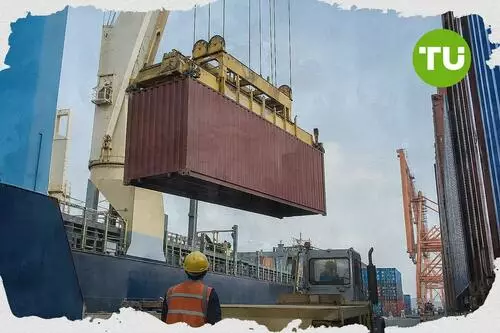
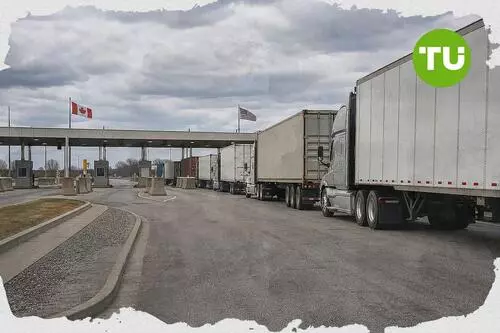
The European Union is preparing tougher trade defenses against China, including an emergency mechanism that could block Chinese goods from its single market. The proposal reflects growing concern that low-cost imports, industrial subsidies, and excess production capacity are putting European manufacturers under sustained pressure.
Highlights
- The EU weighs powers to block Chinese imports.
- China warns of retaliation over new EU quotas.
- A $34.8 billion trade deficit fuels EU action.
EU leaders meeting in Brussels on Thursday asked the European Commission to develop the proposed powers by the end of 2026, Bloomberg reports. The mechanism would be reserved for exceptional circumstances in which another country was judged to be deliberately damaging the European economy, rather than serving as an immediate ban on Chinese imports.
EU considers stronger barriers to Chinese imports
The proposed restrictions would give Brussels a powerful response to trade practices it considers harmful. Lithuanian President Gitanas Nauseda described a complete market closure as an extreme option, intended for situations where less severe measures proved insufficient.
The Commission is also examining import trends to identify industries that may need safeguards. Chemicals and machinery are among the sectors under review, following an agreement with Beijing to limit annual Chinese hybrid vehicle imports to 350,000.
Germany has become an important supporter of stronger action. Chancellor Friedrich Merz has shifted toward a tougher position after manufacturers raised concerns about subsidized Chinese competitors and falling prices.
China warns against further trade restrictions
Beijing has warned that it could retaliate if the EU introduces discriminatory measures beyond the recently negotiated hybrid vehicle agreement.
That agreement also includes lower Chinese tariffs on selected European exports, including auto parts, olive oil, and ice cream. Brussels is seeking further concessions on access to the Chinese market and export procedures for critical minerals and permanent magnets.
The Commission is attempting to balance industrial protection with the risk of a wider trade conflict. Its proposed emergency mechanism would function primarily as a deterrent, while sector-specific import quotas could provide more immediate relief.
Record trade imbalance raises stakes for Europe
The economic pressure behind the EU's changing position is substantial. China's trade surplus with the bloc reached a record $34.8 billion in September, while Chinese exports increased 36% from a year earlier, according to Chinese customs figures.
European officials are particularly concerned about machinery and chemicals, where rising import volumes and falling prices have prompted closer scrutiny. Commission data covering April 2025 through March 2026 flagged 869 product categories showing those warning signs.
Additional proposals are expected before a European leaders' summit in December, although the Commission has not established a timetable for new sector-specific safeguards.
The central challenge is whether Brussels can protect domestic production without disrupting supply chains or provoking Chinese retaliation. For European manufacturers, stronger import defenses could improve competitive conditions. For businesses dependent on Chinese components, they could also mean higher costs and greater uncertainty.
As we previously reported, Europe can use China's competition to strengthen industry.






Latest Tariffs News



-
 Afghanistan
-
 Albania
-
 Algeria
-
 Angola
-
 Argentina
-
 Armenia
-
 Australia
-
 Austria
-
 Azerbaijan
-
 Bahamas
-
 Bahrain
-
 Bangladesh
-
 Belarus
-
 Belgium
-
 Bolivia
-
 Botswana
-
 Brazil
-
 Brunei
-
 Bulgaria
-
 Cambodia
-
 Cameroon
-
 Canada
-
 Chile
-
 China
-
 Colombia
-
 Congo
-
 Costa Rica
-
 Cote d'Ivoire
-
 Croatia
-
 Cuba
-
 Cyprus
-
 Czechia
-
 DR Congo
-
 Denmark
-
 Dominican Republic
-
 Ecuador
-
 Egypt
-
 El Salvador
-
 Estonia
-
 Eswatini
-
 Ethiopia
-
 Finland
-
 France
-
 Georgia
-
 Germany
-
 Ghana
-
 Greece
-
 Haiti
-
 Hong Kong
-
 Hungary
-
 India
-
 Indonesia
-
 Iran, Islamic republic
-
 Iraq
-
 Ireland
-
 Israel
-
 Italy
-
 Jamaica
-
 Japan
-
 Jordan
-
 Kazakhstan
-
 Kenya
-
 Korea
-
 Kuwait
-
 Kyrgyzstan
-
 Laos
-
 Latvia
-
 Lebanon
-
 Lesotho
-
 Libya
-
 Lithuania
-
 Luxembourg
-
 Madagascar
-
 Malaysia
-
 Malta
-
 Mauritius
-
 Mexico
-
 Moldova
-
 Mongolia
-
 Montenegro
-
 Morocco
-
 Mozambique
-
 Myanmar
-
 Namibia
-
 Nepal
-
 Netherlands
-
 New Zealand
-
 Nigeria
-
 North Macedonia
-
 Norway
-
 Oman
-
 Pakistan
-
 Palestine
-
 Panama
-
 Papua New Guinea
-
 Paraguay
-
 Peru
-
 Philippines
-
 Poland
-
 Portugal
-
 Puerto Rico
-
 Qatar
-
 Reunion
-
 Romania
-
 Rwanda
-
 Saudi Arabia
-
 Serbia
-
 Singapore
-
 Slovakia
-
 Slovenia
-
 Somalia
-
 South Africa
-
 Spain
-
 Sri Lanka
-
 Sweden
-
 Switzerland
-
 Syria
-
 Taiwan
-
 Tajikistan
-
 Tanzania
-
 Thailand
-
 Trinidad and Tobago
-
 Tunisia
-
 Turkey
-
 UAE
-
 Uganda
-
 Ukraine
-
 United Kingdom
-
United States
-
 Uruguay
-
 Uzbekistan
-
 Venezuela
-
 Vietnam
-
 Yemen
-
 Zambia
-
 Zimbabwe
- Forex
- Crypto












