

Philippine business groups push for unified China policy as bilateral tensions weigh on trade outlook

Concerns over the Philippines' deteriorating ties with China are intensifying as business, labor and civil society groups call for a less confrontational approach that still protects national interests. The issue carries economic weight because China remains a major trade partner and market for Philippine firms and workers, even as tensions persist in the West Philippine Sea.
Highlights
- Twenty Philippine business, industry, labor, and civil society groups urge the government to adopt a coordinated China policy to safeguard trade and sovereignty.
- September trade data show South Korea surpassing China as the Philippines' top import source, highlighting growing concern over economic exposure amid bilateral tensions.
- Commentary warns that public interagency divisions and political sensitivities ahead of the 2025 elections risk undermining Manila's negotiating stance and amplifying geopolitical risks.
Calls grow for coordinated diplomacy
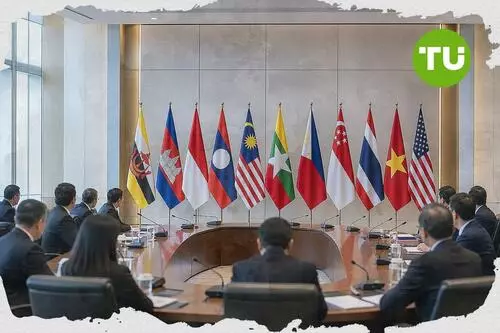
As reported by BusinessWorld Online, 20 business, industry, labor and civil society groups issue a joint statement late last week urging Manila and Beijing to tone down confrontational exchanges and pursue constructive engagement while upholding Philippine sovereignty and national interests.The appeal follows Foreign Affairs Secretary Ma. Theresa P. Lazaro's Nov. 3 phone call with Chinese Foreign Minister Wang Yi, which the Department of Foreign Affairs describes as frank, pragmatic and constructive. The article says this is not the first time business groups have raised concern over bilateral strains, while groups such as CitizenWatch and others argue that economic cooperation and the defense of maritime rights are not mutually exclusive.
The commentary argues that high-level dialogue is preferable to no dialogue at all and says the Marcos administration should use 2027 to lay the groundwork for a possible rapprochement from 2028 onward. It also calls for the Executive branch to speak with one voice on China policy, with the Department of Foreign Affairs and Malacañang taking the lead in public messaging after consultations with defense, trade and other agencies.
The article warns that mixed signals and apparent interagency divisions could weaken Manila's position. It points in particular to a Nov. 9 Department of Foreign Affairs press release criticizing unnamed government officials, saying such public friction risks exposing internal rifts that outside parties could exploit.
Trade exposure sharpens economic stakes
Economic concerns remain central to the debate because China, when combined with Hong Kong, is described as the Philippines' biggest trade partner, although September data show South Korea displacing China as the top source of merchandise imports. China is also portrayed as an important market for major Philippine companies and a host to about 200,000 Filipinos working in the mainland, Hong Kong and Macau.The article says any effort to stabilize relations should be paired with a clearer negotiating plan, including possible concessions Manila could offer in exchange for changes in Chinese behavior in the exclusive economic zone. At the same time, it argues the Philippines should keep strengthening its strategic and economic resilience through trade diversification, lower business costs, stronger anti-corruption efforts, higher foreign direct investment, military modernization, better healthcare and education, and updates to its anti-espionage law.
It also cautions that rapprochement is likely to remain difficult as election campaigning intensifies next year and West Philippine Sea tensions stay politically sensitive. In that environment, the piece presents a unified foreign policy message and broader economic diversification as parallel steps to reduce risk from geopolitical strain.
We have previously noted how Philippine bond reforms could broaden investors, even as deeper reforms are needed to lift investment.






Latest Trade Deals News


-
 Afghanistan
-
 Albania
-
 Algeria
-
 Angola
-
 Argentina
-
 Armenia
-
 Australia
-
 Austria
-
 Azerbaijan
-
 Bahamas
-
 Bahrain
-
 Bangladesh
-
 Belarus
-
 Belgium
-
 Bolivia
-
 Botswana
-
 Brazil
-
 Brunei
-
 Bulgaria
-
 Cambodia
-
 Cameroon
-
 Canada
-
 Chile
-
 China
-
 Colombia
-
 Congo
-
 Costa Rica
-
 Cote d'Ivoire
-
 Croatia
-
 Cuba
-
 Cyprus
-
 Czechia
-
 DR Congo
-
 Denmark
-
 Dominican Republic
-
 Ecuador
-
 Egypt
-
 El Salvador
-
 Estonia
-
 Eswatini
-
 Ethiopia
-
 Finland
-
 France
-
 Georgia
-
 Germany
-
 Ghana
-
 Greece
-
 Haiti
-
 Hong Kong
-
 Hungary
-
 India
-
 Indonesia
-
 Iran, Islamic republic
-
 Iraq
-
 Ireland
-
 Israel
-
 Italy
-
 Jamaica
-
 Japan
-
 Jordan
-
 Kazakhstan
-
 Kenya
-
 Korea
-
 Kuwait
-
 Kyrgyzstan
-
 Laos
-
 Latvia
-
 Lebanon
-
 Lesotho
-
 Libya
-
 Lithuania
-
 Luxembourg
-
 Madagascar
-
 Malaysia
-
 Malta
-
 Mauritius
-
 Mexico
-
 Moldova
-
 Mongolia
-
 Montenegro
-
 Morocco
-
 Mozambique
-
 Myanmar
-
 Namibia
-
 Nepal
-
 Netherlands
-
 New Zealand
-
 Nigeria
-
 North Macedonia
-
 Norway
-
 Oman
-
 Pakistan
-
 Palestine
-
 Panama
-
 Papua New Guinea
-
 Paraguay
-
 Peru
-
 Philippines
-
 Poland
-
 Portugal
-
 Puerto Rico
-
 Qatar
-
 Reunion
-
 Romania
-
 Rwanda
-
 Saudi Arabia
-
 Serbia
-
 Singapore
-
 Slovakia
-
 Slovenia
-
 Somalia
-
 South Africa
-
 Spain
-
 Sri Lanka
-
 Sweden
-
 Switzerland
-
 Syria
-
 Taiwan
-
 Tajikistan
-
 Tanzania
-
 Thailand
-
 Trinidad and Tobago
-
 Tunisia
-
 Turkey
-
 UAE
-
 Uganda
-
 Ukraine
-
 United Kingdom
-
United States
-
 Uruguay
-
 Uzbekistan
-
 Venezuela
-
 Vietnam
-
 Yemen
-
 Zambia
-
 Zimbabwe
- Forex
- Crypto












