

EU-China trade talks face risk as Dutch chip export curbs strain technology ties

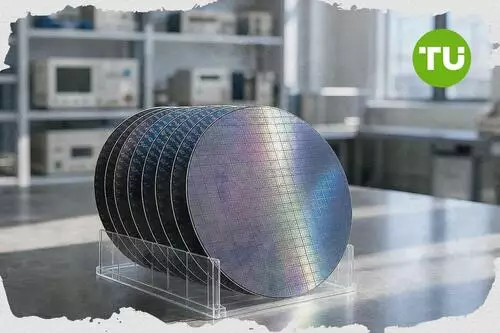
EU-China industrial policy talks are coming under pressure as Chinese officials warn that restrictions on semiconductor equipment exports are deepening friction with Europe. The dispute centers on long-running Dutch limits affecting ASML shipments to China and raises the prospect of tighter barriers to technology sharing on both sides.
Highlights
- Chinese diplomat Qu Xun warns that longstanding Dutch export restrictions on advanced ASML chip equipment to China are straining broader EU-China technology and industrial ties.
- EU-China trade talks will resume next year after agreeing to a quota on Chinese hybrid car exports, but tensions persist over European proposals for local content, technology transfer, and asset ownership limits in key industries.
- Chinese investment stock in Spain has tripled over the past decade to 12 billion euros, but major Chinese groups are delaying new capital commitments pending assessment of ongoing projects.
Diplomatic warning over chip equipment access
As reported by Reuters, Qu Xun, China's minister-counsellor in Madrid, says longstanding Dutch restrictions on exports of advanced chipmaking equipment to China are casting a shadow over broader EU-China industrial policy discussions.Qu says Beijing wants the European Union to make its own decisions rather than follow outside pressure, and adds that China wants to import ASML products. He does not specify which machines China seeks, but says the technology China receives is generations old and warns that if Europe restricts technology out of fear of losing its edge, China could adopt the same approach.
The Dutch government has restricted exports of advanced semiconductor manufacturing equipment made by ASML to China since 2019. The U.S. is also pushing for further restrictions on lower-end machines as part of efforts to curb China's ability to produce advanced semiconductors, while ASML declines to comment.
Implications for investment and European industry
Trade chief Maros Sefcovic and China's commerce minister Wang Wentao are set to resume EU-China trade talks next year after both sides agree in October to set a quota on Chinese hybrid car exports, an arrangement they describe as positive. Even so, tensions remain over European proposals that would require local content, technology transfer and limits on asset ownership for foreign investors in sectors such as electric vehicles, batteries and cars, where Chinese companies hold strong market positions.Qu says technology transfer is a pillar of China's foreign direct investment strategy, but adds that Beijing expects reciprocity and a fair, non-discriminatory approach. He also says China is fully capable of withstanding a deterioration in relations if Chinese companies are not treated well.
In Spain, Qu says Chinese investment stock has tripled over the past decade to 12 billion euros, but companies are waiting two to three years to assess current projects before committing fresh capital. Chinese groups including SAIC, Chery, CATL and AESC have invested in Spain, either alone or with European partners, and regional authorities are competing to attract more projects.
We have also analyzed the EU’s proposed Market Distortions instrument to speed trade enforcement in China-linked sectors.






Latest Trade Deals News



-
 Afghanistan
-
 Albania
-
 Algeria
-
 Angola
-
 Argentina
-
 Armenia
-
 Australia
-
 Austria
-
 Azerbaijan
-
 Bahamas
-
 Bahrain
-
 Bangladesh
-
 Belarus
-
 Belgium
-
 Bolivia
-
 Botswana
-
 Brazil
-
 Brunei
-
 Bulgaria
-
 Cambodia
-
 Cameroon
-
 Canada
-
 Chile
-
 China
-
 Colombia
-
 Congo
-
 Costa Rica
-
 Cote d'Ivoire
-
 Croatia
-
 Cuba
-
 Cyprus
-
 Czechia
-
 DR Congo
-
 Denmark
-
 Dominican Republic
-
 Ecuador
-
 Egypt
-
 El Salvador
-
 Estonia
-
 Eswatini
-
 Ethiopia
-
 Finland
-
 France
-
 Georgia
-
 Germany
-
 Ghana
-
 Greece
-
 Haiti
-
 Hong Kong
-
 Hungary
-
 India
-
 Indonesia
-
 Iran, Islamic republic
-
 Iraq
-
 Ireland
-
 Israel
-
 Italy
-
 Jamaica
-
 Japan
-
 Jordan
-
 Kazakhstan
-
 Kenya
-
 Korea
-
 Kuwait
-
 Kyrgyzstan
-
 Laos
-
 Latvia
-
 Lebanon
-
 Lesotho
-
 Libya
-
 Lithuania
-
 Luxembourg
-
 Madagascar
-
 Malaysia
-
 Malta
-
 Mauritius
-
 Mexico
-
 Moldova
-
 Mongolia
-
 Montenegro
-
 Morocco
-
 Mozambique
-
 Myanmar
-
 Namibia
-
 Nepal
-
 Netherlands
-
 New Zealand
-
 Nigeria
-
 North Macedonia
-
 Norway
-
 Oman
-
 Pakistan
-
 Palestine
-
 Panama
-
 Papua New Guinea
-
 Paraguay
-
 Peru
-
 Philippines
-
 Poland
-
 Portugal
-
 Puerto Rico
-
 Qatar
-
 Reunion
-
 Romania
-
 Rwanda
-
 Saudi Arabia
-
 Serbia
-
 Singapore
-
 Slovakia
-
 Slovenia
-
 Somalia
-
 South Africa
-
 Spain
-
 Sri Lanka
-
 Sweden
-
 Switzerland
-
 Syria
-
 Taiwan
-
 Tajikistan
-
 Tanzania
-
 Thailand
-
 Trinidad and Tobago
-
 Tunisia
-
 Turkey
-
 UAE
-
 Uganda
-
 Ukraine
-
 United Kingdom
-
United States
-
 Uruguay
-
 Uzbekistan
-
 Venezuela
-
 Vietnam
-
 Yemen
-
 Zambia
-
 Zimbabwe
- Forex
- Crypto












