

U.S. infrastructure risks expose rising operational and fiscal strain

A series of long-identified weaknesses across U.S. public systems is drawing renewed attention after last week's nationwide aviation disruption. The vulnerabilities span air traffic control, electricity, water, government technology, public finances and defense supply, underscoring how deferred maintenance can deepen economic and security risks.
Highlights
- Transportation Secretary Sean Duffy estimates upgrading the air traffic control system will require $31.5 billion to $50 billion, highlighting outdated U.S. infrastructure.
- Federal IT spending exceeds $100 billion annually with 80% maintaining legacy systems, as aging platforms and workforce retirements raise operational risks.
- U.S. interest payments hit $1.052 trillion in the last fiscal year and are projected to reach $2.1 trillion by 2036, surpassing defense spending and pressuring fiscal policy.
Foreseeable failures across critical systems
As reported by Axios, the latest aviation breakdown has sharpened focus on government systems that have been flagged for years as outdated, underfunded or vulnerable to disruption. The analysis argues that many risks are well known but remain unaddressed until they become full crises.Among the most visible examples is the air traffic control system, which the text says still relies on copper wire and floppy disks. Transportation Secretary Sean Duffy told lawmakers last year that fixing the system would cost $31.5 billion, and at a White House briefing on Friday he said he wants $50 billion.
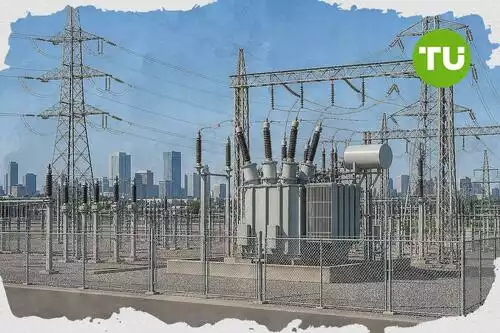
The article also points to an aging electricity grid that the North American Electric Reliability Corp. warned this spring is under strain from rising energy demand linked to AI and broader consumption. Drinking water and wastewater systems are also described as deteriorating, with cyberattacks hitting more than 30 municipal water systems in Minnesota in July and Iran identified as a likely culprit.
Federal information technology is presented as another chronic weak point, with Washington spending more than $100 billion a year on IT and about 80% going to maintain legacy systems. Eight of the 11 systems most in need of replacement run on aging programming languages such as COBOL, while the workers able to maintain them are retiring.
Economic and national security impact grows
The risks extend beyond infrastructure operations into the federal balance sheet and national security planning. The text says U.S. interest payments totaled $1.052 trillion in the last fiscal year, more than defense spending, and cites Congressional Budget Office projections showing that figure reaching $2.1 trillion in 2036.Retirement and health-care funding pressures are also moving closer, with Social Security's retirement fund projected to run dry in 2032 and Medicare's hospital fund in 2033. Under current law, the depletion of Social Security's retirement fund would trigger an automatic 22% cut in benefits, adding to pressure on policymakers to act before the deadlines arrive.
The article further highlights defense and industrial vulnerabilities, saying it could take years to rebuild advanced weapons stocks used in the Iran war. It also notes China's control of 91% of global rare-earth refining capacity, framing that dominance as a potential bottleneck for AI development and the wider economy if trade tensions intensify.
We have also discussed the broader context around U.S. critical minerals as Washington seeks to reduce reliance on Chinese supply dominance.






Latest USA News




-
 Afghanistan
-
 Albania
-
 Algeria
-
 Angola
-
 Argentina
-
 Armenia
-
 Australia
-
 Austria
-
 Azerbaijan
-
 Bahamas
-
 Bahrain
-
 Bangladesh
-
 Belarus
-
 Belgium
-
 Bolivia
-
 Botswana
-
 Brazil
-
 Brunei
-
 Bulgaria
-
 Cambodia
-
 Cameroon
-
 Canada
-
 Chile
-
 China
-
 Colombia
-
 Congo
-
 Costa Rica
-
 Cote d'Ivoire
-
 Croatia
-
 Cuba
-
 Cyprus
-
 Czechia
-
 DR Congo
-
 Denmark
-
 Dominican Republic
-
 Ecuador
-
 Egypt
-
 El Salvador
-
 Estonia
-
 Eswatini
-
 Ethiopia
-
 Finland
-
 France
-
 Georgia
-
 Germany
-
 Ghana
-
 Greece
-
 Haiti
-
 Hong Kong
-
 Hungary
-
 India
-
 Indonesia
-
 Iran, Islamic republic
-
 Iraq
-
 Ireland
-
 Israel
-
 Italy
-
 Jamaica
-
 Japan
-
 Jordan
-
 Kazakhstan
-
 Kenya
-
 Korea
-
 Kuwait
-
 Kyrgyzstan
-
 Laos
-
 Latvia
-
 Lebanon
-
 Lesotho
-
 Libya
-
 Lithuania
-
 Luxembourg
-
 Madagascar
-
 Malaysia
-
 Malta
-
 Mauritius
-
 Mexico
-
 Moldova
-
 Mongolia
-
 Montenegro
-
 Morocco
-
 Mozambique
-
 Myanmar
-
 Namibia
-
 Nepal
-
 Netherlands
-
 New Zealand
-
 Nigeria
-
 North Macedonia
-
 Norway
-
 Oman
-
 Pakistan
-
 Palestine
-
 Panama
-
 Papua New Guinea
-
 Paraguay
-
 Peru
-
 Philippines
-
 Poland
-
 Portugal
-
 Puerto Rico
-
 Qatar
-
 Reunion
-
 Romania
-
 Rwanda
-
 Saudi Arabia
-
 Serbia
-
 Singapore
-
 Slovakia
-
 Slovenia
-
 Somalia
-
 South Africa
-
 Spain
-
 Sri Lanka
-
 Sweden
-
 Switzerland
-
 Syria
-
 Taiwan
-
 Tajikistan
-
 Tanzania
-
 Thailand
-
 Trinidad and Tobago
-
 Tunisia
-
 Turkey
-
 UAE
-
 Uganda
-
 Ukraine
-
 United Kingdom
-
United States
-
 Uruguay
-
 Uzbekistan
-
 Venezuela
-
 Vietnam
-
 Yemen
-
 Zambia
-
 Zimbabwe
- Forex
- Crypto












