

Saudi Arabia steps up disruption of COP31 climate talks in Turkey

Negotiations at COP31 in Antalya are entering their final stretch as nearly 200 countries try to agree a closing text amid deep divisions over energy, finance and climate science. Saudi Arabia is emerging as a central obstacle, with diplomats saying its stance is reinforced by regional alliances and the continued absence of the U.S. from the talks.
Highlights
- Saudi Arabia intensifies blocking tactics at the COP31 Antalya summit, impeding agreement on electrification targets, fossil fuel phase-down, and IPCC funding.
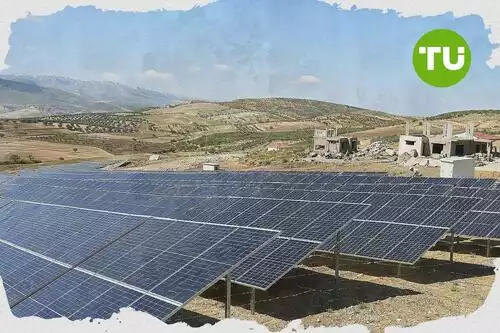
- Riyadh leads regional alliances at COP31, recently signing the Mecca Defence Alliance with Turkey and Pakistan and striking a wind and solar deal worth up to $6bn with Ankara.
- Saudi Arabia and India jointly oppose the IPCC's 2027 budget approval and publication timeline, risking delays to key climate science reports for the next global stocktake at COP33 in 2028.
Blocking tactics intensify at Antalya summit
As reported by the Financial Times, diplomats at this week’s closed-door talks say Saudi Arabia is stepping up efforts to slow or block agreement on measures including an electrification target, a winding down of fossil fuels and funding for the Intergovernmental Panel on Climate Change.Several negotiators say the kingdom is obstructive across the talks and is pushing the 22-member Arab group it leads to impede progress on multiple fronts, including by using up speaking time and challenging core elements of the negotiating process. Representatives say Riyadh has even questioned whether the summit should produce a concluding agreement, although the Australian negotiator leading the process is holding to the goal of a final outcome.
Alden Meyer, senior associate at E3G and a veteran of the negotiations, says the Saudi effort is “completely orchestrated” and “definitely worse this year”. He says groups of countries are raising the same objections in a way that appears designed to wear other delegations down.
Saudi Arabia’s delegation denies it is opposing the publication of scientific reports, saying its position is instead aimed at safeguarding “scientific credibility, quality and inclusivity”. It says the kingdom remains committed to international co-operation, credible climate science and practical climate action, while continuing to reject allegations that it is blocking negotiations.
Regional alliances and oil interests shape the dispute
Diplomats and observers say the geopolitical setting in Turkey is strengthening Riyadh’s hand. Turkey, Saudi Arabia and Pakistan recently signed what is described as a “Nato-style” Mecca Defence Alliance, and Ankara and Riyadh also reach the second part of a wind and solar energy deal at COP31 last week that could be worth up to $6bn.The dispute also extends beyond the summit’s main political text. Saudi Arabia and India are leading opposition this year to the publication timeline for three IPCC scientific reports tied to the next global stocktake at COP33 in 2028, and they also work to block approval of the climate science body’s 2027 budget. Negotiators warn that, without timely approval, the IPCC risks temporary disruption, including delays to a cities-focused report due in March next year and a postponed meeting of lead authors.
Saudi Arabia’s tougher line reflects both diplomacy and economic exposure. The country is trying to diversify under Crown Prince Mohammed bin Salman, but oil and oil products still account for 69 percent of exports, according to the IMF.
Laurence Tubiana, head of the European Climate Foundation and one of the architects of the Paris agreement, says oil and gas producers are becoming progressively more aggressive as their position in global energy systems comes under pressure. She says Saudi Arabia is now leading efforts to politicise multiple negotiating tracks and slow progress, including opposition to any renewed reference in the COP31 text to the COP28 commitment to transition away from fossil fuels.
The latest update follows our earlier article on the COP31 draft decision proposing faster fossil-fuel action and higher adaptation finance by 2035.










-
 Afghanistan
-
 Albania
-
 Algeria
-
 Angola
-
 Argentina
-
 Armenia
-
 Australia
-
 Austria
-
 Azerbaijan
-
 Bahamas
-
 Bahrain
-
 Bangladesh
-
 Belarus
-
 Belgium
-
 Bolivia
-
 Botswana
-
 Brazil
-
 Brunei
-
 Bulgaria
-
 Cambodia
-
 Cameroon
-
 Canada
-
 Chile
-
 China
-
 Colombia
-
 Congo
-
 Costa Rica
-
 Cote d'Ivoire
-
 Croatia
-
 Cuba
-
 Cyprus
-
 Czechia
-
 DR Congo
-
 Denmark
-
 Dominican Republic
-
 Ecuador
-
 Egypt
-
 El Salvador
-
 Estonia
-
 Eswatini
-
 Ethiopia
-
 Finland
-
 France
-
 Georgia
-
 Germany
-
 Ghana
-
 Greece
-
 Haiti
-
 Hong Kong
-
 Hungary
-
 India
-
 Indonesia
-
 Iran, Islamic republic
-
 Iraq
-
 Ireland
-
 Israel
-
 Italy
-
 Jamaica
-
 Japan
-
 Jordan
-
 Kazakhstan
-
 Kenya
-
 Korea
-
 Kuwait
-
 Kyrgyzstan
-
 Laos
-
 Latvia
-
 Lebanon
-
 Lesotho
-
 Libya
-
 Lithuania
-
 Luxembourg
-
 Madagascar
-
 Malaysia
-
 Malta
-
 Mauritius
-
 Mexico
-
 Moldova
-
 Mongolia
-
 Montenegro
-
 Morocco
-
 Mozambique
-
 Myanmar
-
 Namibia
-
 Nepal
-
 Netherlands
-
 New Zealand
-
 Nigeria
-
 North Macedonia
-
 Norway
-
 Oman
-
 Pakistan
-
 Palestine
-
 Panama
-
 Papua New Guinea
-
 Paraguay
-
 Peru
-
 Philippines
-
 Poland
-
 Portugal
-
 Puerto Rico
-
 Qatar
-
 Reunion
-
 Romania
-
 Rwanda
-
 Saudi Arabia
-
 Serbia
-
 Singapore
-
 Slovakia
-
 Slovenia
-
 Somalia
-
 South Africa
-
 Spain
-
 Sri Lanka
-
 Sweden
-
 Switzerland
-
 Syria
-
 Taiwan
-
 Tajikistan
-
 Tanzania
-
 Thailand
-
 Trinidad and Tobago
-
 Tunisia
-
 Turkey
-
 UAE
-
 Uganda
-
 Ukraine
-
 United Kingdom
-
United States
-
 Uruguay
-
 Uzbekistan
-
 Venezuela
-
 Vietnam
-
 Yemen
-
 Zambia
-
 Zimbabwe
- Forex
- Crypto












