

European Commission proposes advanced materials agenda to strengthen EU industrial competitiveness

The European Union is setting out a long-term plan to turn its research base in advanced materials into larger-scale industrial production by 2035. The proposal targets strategic sectors including energy, mobility, electronics, construction, health, aerospace and defence, while pairing investment goals with closer coordination among member states.
Highlights
- European Commission's Advanced Materials for Europe agenda targets a 20% increase by 2035 in investment, EU-based startups, and project deployment in advanced materials.
- Agenda focuses on accelerating transition from laboratory research to commercial use, with KPIs tracked by the Technology Council for Advanced Materials and a stocktaking review by end-2028.
- EU advanced materials sector, supporting 1.5 million jobs and 15,000 companies, gains €2.3 billion Horizon Europe allocation for 2021–2027 to drive growth and enhance industrial competitiveness.
2035 targets and policy framework
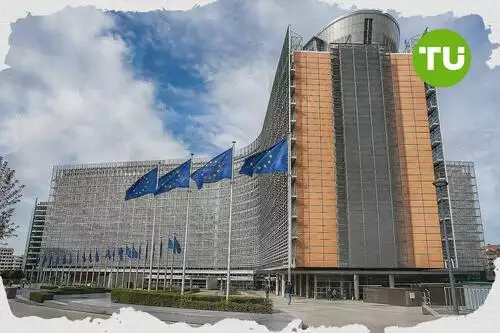
As reported by European Commission, the proposed Advanced Materials for Europe agenda aims to make the EU the global leader in inventing, producing and using safer and more sustainable advanced materials by 2035. The plan sets three benchmark targets for that date, a 20% increase in investment in advanced materials research and innovation, a 20% rise in EU-based startups and scaleups in the field, and 20% of projects reaching higher deployment levels.The Commission says the agenda is designed to speed the path from laboratory research to commercial use and support wider industrial adoption. It is also proposing a framework for closer coordination between member states to better align investment, reduce the time between research and market application, strengthen strategic autonomy and reinforce Europe's technological position.
Commission President Ursula von der Leyen says advanced materials are central to Europe's clean transition, economic security and global competitiveness. The proposal still requires adoption by the Council of the EU, with progress set to be tracked through key performance indicators overseen by the Technology Council for Advanced Materials, a first stocktaking exercise due by the end of 2028 and a full implementation report planned by the end of 2030.
Industrial impact across strategic sectors
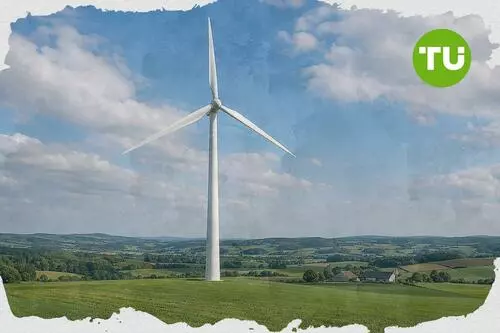
Advanced materials are already used across the European economy, from improving building energy efficiency and wind turbines to strengthening electric vehicle batteries, transport components and 3D-printed medical implants. The Commission argues that materials engineered at atomic level can make products lighter, stronger, smarter and more efficient, supporting sectors that are increasingly important to the bloc's resilience and economic security.Europe starts from a sizable existing base, with more than 15,000 companies active in advanced materials and around 1.5 million jobs supported across the EU. The Commission says the sector now needs stronger ecosystem links, faster access to testing and pilot infrastructure, better skills, more resilient supply chains, clearer regulatory pathways and improved data interoperability to unlock further growth.
Under the initiative's five priority areas for 2030, member states are invited to focus research and innovation investment on strategic sectors, use digitalisation and artificial intelligence to accelerate discovery and testing, shorten time to market through better qualification systems and infrastructure access, support scale-up through demand-side measures and public procurement, and address skills shortages through training, reskilling and upskilling. The proposal builds on the Commission's 2024 communication on advanced materials for industrial leadership, while the EU has already allocated 2.3 billion euros to the field under Horizon Europe for 2021 to 2027.
We have previously detailed Putin’s APEC remarks on the EU’s industrial competitiveness in the context of sanctions and trade positioning.






Latest EU Sanctions News


-
 Afghanistan
-
 Albania
-
 Algeria
-
 Angola
-
 Argentina
-
 Armenia
-
 Australia
-
 Austria
-
 Azerbaijan
-
 Bahamas
-
 Bahrain
-
 Bangladesh
-
 Belarus
-
 Belgium
-
 Bolivia
-
 Botswana
-
 Brazil
-
 Brunei
-
 Bulgaria
-
 Cambodia
-
 Cameroon
-
 Canada
-
 Chile
-
 China
-
 Colombia
-
 Congo
-
 Costa Rica
-
 Cote d'Ivoire
-
 Croatia
-
 Cuba
-
 Cyprus
-
 Czechia
-
 DR Congo
-
 Denmark
-
 Dominican Republic
-
 Ecuador
-
 Egypt
-
 El Salvador
-
 Estonia
-
 Eswatini
-
 Ethiopia
-
 Finland
-
 France
-
 Georgia
-
 Germany
-
 Ghana
-
 Greece
-
 Haiti
-
 Hong Kong
-
 Hungary
-
 India
-
 Indonesia
-
 Iran, Islamic republic
-
 Iraq
-
 Ireland
-
 Israel
-
 Italy
-
 Jamaica
-
 Japan
-
 Jordan
-
 Kazakhstan
-
 Kenya
-
 Korea
-
 Kuwait
-
 Kyrgyzstan
-
 Laos
-
 Latvia
-
 Lebanon
-
 Lesotho
-
 Libya
-
 Lithuania
-
 Luxembourg
-
 Madagascar
-
 Malaysia
-
 Malta
-
 Mauritius
-
 Mexico
-
 Moldova
-
 Mongolia
-
 Montenegro
-
 Morocco
-
 Mozambique
-
 Myanmar
-
 Namibia
-
 Nepal
-
 Netherlands
-
 New Zealand
-
 Nigeria
-
 North Macedonia
-
 Norway
-
 Oman
-
 Pakistan
-
 Palestine
-
 Panama
-
 Papua New Guinea
-
 Paraguay
-
 Peru
-
 Philippines
-
 Poland
-
 Portugal
-
 Puerto Rico
-
 Qatar
-
 Reunion
-
 Romania
-
 Rwanda
-
 Saudi Arabia
-
 Serbia
-
 Singapore
-
 Slovakia
-
 Slovenia
-
 Somalia
-
 South Africa
-
 Spain
-
 Sri Lanka
-
 Sweden
-
 Switzerland
-
 Syria
-
 Taiwan
-
 Tajikistan
-
 Tanzania
-
 Thailand
-
 Trinidad and Tobago
-
 Tunisia
-
 Turkey
-
 UAE
-
 Uganda
-
 Ukraine
-
 United Kingdom
-
United States
-
 Uruguay
-
 Uzbekistan
-
 Venezuela
-
 Vietnam
-
 Yemen
-
 Zambia
-
 Zimbabwe
- Forex
- Crypto












