

European Commission unveils climate measures for EU energy transition

As extreme weather events and rising global temperatures intensify pressure on policymakers, the European Commission is unveiling new measures to curb carbon emissions and expand renewable energy use across member states. The initiative is designed to speed the shift toward a more sustainable economy through tighter pollution rules, added funding for clean energy projects, and incentives for businesses to adopt greener practices.
Highlights
- European Commission launches a climate package prioritizing carbon emission cuts and renewable energy promotion to drive EU economic sustainability.
- The policy package offers increased financial support for clean energy projects and tighter pollution regulations, alongside incentives for greener business practices.
- Commission stresses the need for urgent, coordinated action among EU member states, signaling that investments and operations must align with emissions and renewable targets.
Policy package targets emissions and clean energy
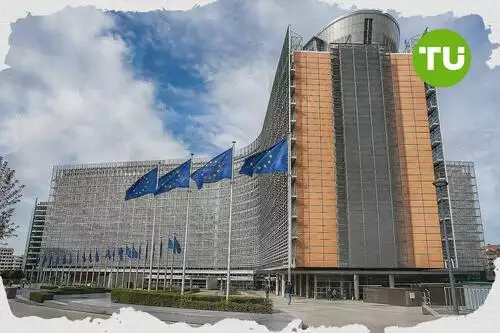
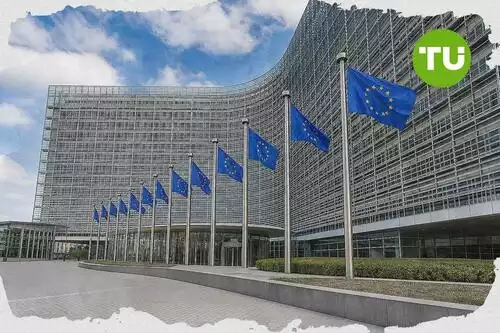
As reported by European Commission, the new climate package focuses on cutting carbon emissions and promoting renewable energy technologies across the EU as part of a broader push to accelerate the transition to a sustainable economy.Commission officials say the plan combines enhanced financial support for clean energy projects with stricter regulation of pollution levels. The measures also include incentives aimed at encouraging businesses to adopt greener operating practices.
Regional coordination and business implications
The Commission emphasizes that urgent action is needed as global temperatures rise and extreme weather events become more frequent. The measures are intended to support a coordinated response across member states while reinforcing the bloc's environmental targets.Officials also stress that meeting those goals depends on collaboration among governments, companies and citizens. For businesses, the package signals a policy environment that increasingly links investment, operations and compliance to lower-emission and renewable energy strategies.
We have also looked at EU grid permitting reforms aimed at speeding approvals for electricity networks and related clean-energy infrastructure.






Latest EU Sanctions News



-
 Afghanistan
-
 Albania
-
 Algeria
-
 Angola
-
 Argentina
-
 Armenia
-
 Australia
-
 Austria
-
 Azerbaijan
-
 Bahamas
-
 Bahrain
-
 Bangladesh
-
 Belarus
-
 Belgium
-
 Bolivia
-
 Botswana
-
 Brazil
-
 Brunei
-
 Bulgaria
-
 Cambodia
-
 Cameroon
-
 Canada
-
 Chile
-
 China
-
 Colombia
-
 Congo
-
 Costa Rica
-
 Cote d'Ivoire
-
 Croatia
-
 Cuba
-
 Cyprus
-
 Czechia
-
 DR Congo
-
 Denmark
-
 Dominican Republic
-
 Ecuador
-
 Egypt
-
 El Salvador
-
 Estonia
-
 Eswatini
-
 Ethiopia
-
 Finland
-
 France
-
 Georgia
-
 Germany
-
 Ghana
-
 Greece
-
 Haiti
-
 Hong Kong
-
 Hungary
-
 India
-
 Indonesia
-
 Iran, Islamic republic
-
 Iraq
-
 Ireland
-
 Israel
-
 Italy
-
 Jamaica
-
 Japan
-
 Jordan
-
 Kazakhstan
-
 Kenya
-
 Korea
-
 Kuwait
-
 Kyrgyzstan
-
 Laos
-
 Latvia
-
 Lebanon
-
 Lesotho
-
 Libya
-
 Lithuania
-
 Luxembourg
-
 Madagascar
-
 Malaysia
-
 Malta
-
 Mauritius
-
 Mexico
-
 Moldova
-
 Mongolia
-
 Montenegro
-
 Morocco
-
 Mozambique
-
 Myanmar
-
 Namibia
-
 Nepal
-
 Netherlands
-
 New Zealand
-
 Nigeria
-
 North Macedonia
-
 Norway
-
 Oman
-
 Pakistan
-
 Palestine
-
 Panama
-
 Papua New Guinea
-
 Paraguay
-
 Peru
-
 Philippines
-
 Poland
-
 Portugal
-
 Puerto Rico
-
 Qatar
-
 Reunion
-
 Romania
-
 Rwanda
-
 Saudi Arabia
-
 Serbia
-
 Singapore
-
 Slovakia
-
 Slovenia
-
 Somalia
-
 South Africa
-
 Spain
-
 Sri Lanka
-
 Sweden
-
 Switzerland
-
 Syria
-
 Taiwan
-
 Tajikistan
-
 Tanzania
-
 Thailand
-
 Trinidad and Tobago
-
 Tunisia
-
 Turkey
-
 UAE
-
 Uganda
-
 Ukraine
-
 United Kingdom
-
United States
-
 Uruguay
-
 Uzbekistan
-
 Venezuela
-
 Vietnam
-
 Yemen
-
 Zambia
-
 Zimbabwe
- Forex
- Crypto












