

APEC summit leaves U.S.-China trade and tech disputes unresolved

Asia-Pacific leaders close the APEC summit in Shenzhen with major geopolitical and business flashpoints still hanging over the region. The week’s headline meetings deliver few concrete signs of progress on tariffs, rare earths, Taiwan or technology controls despite high-level diplomacy.
Highlights
- The APEC summit concluded without resolving U.S.-China disputes over tariffs, rare earth exports past January, or competition in advanced technology.
- Nvidia CEO Jensen Huang resigned after reports of alleged Chinese espionage, with Trump briefly mentioning Nvidia in talks with Xi but no direct policy outcome.
- Taiwan did not feature prominently at APEC despite upcoming elections and ongoing tensions, while Quad leaders prioritized regional supply chain and critical minerals cooperation.
Summit meetings yield limited policy progress
As reported by CNBC, the most prominent event at this week’s APEC gathering is a trilateral meeting on Thursday between U.S. President Donald Trump, Chinese President Xi Jinping and Russian President Vladimir Putin, their first joint meeting as leaders. The three reaffirm interests in reducing nuclear risks and in increasing oil production, but analysts say the summit leaves core commercial and security disputes unresolved.Gary Dvorchak, managing director at Blueshirt, says the main significance lies in what remains unaddressed. He points to Taiwan as a continuing source of strategic uncertainty and says Southeast Asia, despite its growing role in manufacturing and investment, is overshadowed by big-power diplomacy.
Trump and Xi also hold their third bilateral summit of the year after Xi welcomes Trump at the airport late Wednesday. But little is shared publicly on whether Washington and Beijing agree to cut tariffs further, keep rare earths flowing beyond a January deadline, or ease competition in advanced technology.
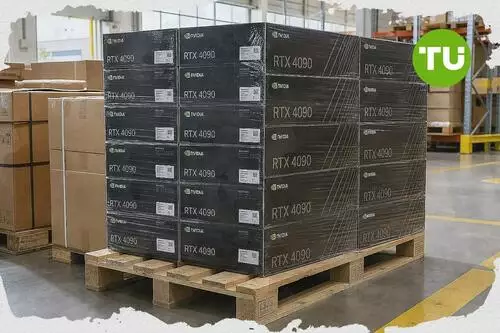
Technology tensions also remain in focus after recent reports linking Jensen Huang to an alleged Chinese spy lead to his resignation as Nvidia CEO. Trump says in an interview with Fox News that Nvidia comes up briefly in his talks with Xi, even as U.S. officials previously indicate he does not plan to raise the matter directly.
Regional diplomacy keeps Taiwan and supply chains in focus
Taiwan, one of APEC’s 21 member economies, sends Acer Group founder and honorary chairman Stan Shih to Shenzhen, but the island does not feature prominently during the summit. That silence stands out as Taiwan heads toward key elections for Taipei mayor and other posts on Nov. 28, while Beijing continues to claim the self-governed island as part of its territory.Ian Bremmer, president and founder of Eurasia Group, says the trilateral produces strong optics but limited substance. He adds that any serious effort to resolve the Ukraine war would still require the involvement of President Volodymyr Zelenskyy and European allies.
Outside the main APEC agenda, Trump visits Shenzhen after a brief trip to the Philippines for meetings with the leaders of Australia, India and Japan under the Quad format on the sidelines of the ASEAN Summit. U.S. Ambassador to ASEAN Kevin Kim says the discussions cover regional cooperation, trade and critical minerals, while Japanese Prime Minister Sanae Takaichi later says the Quad Summit is the diplomatic week’s main outcome.
Takaichi also reiterates in Shenzhen that Japan’s position on Taiwan remains unchanged under the 1972 Japan-China Communiqué. Her comments come as tensions between Tokyo and Beijing stay elevated after remarks in November 2025 about how a Chinese attack on Taiwan could draw a Japanese military response.
Separately, Elon Musk does not appear with Trump at major APEC-related events despite earlier expectations. A Tesla executive says on Chinese social media that Musk flies to Shanghai on Thursday morning to visit the company’s factory there, underlining how commercial interests in China continue to run alongside unresolved U.S.-China policy disputes.
Previously, we examined the Xi-Putin summit as Trump cast the rare three-way Shenzhen meeting as a U.S. diplomatic win.






Latest Supply Chain News



-
 Afghanistan
-
 Albania
-
 Algeria
-
 Angola
-
 Argentina
-
 Armenia
-
 Australia
-
 Austria
-
 Azerbaijan
-
 Bahamas
-
 Bahrain
-
 Bangladesh
-
 Belarus
-
 Belgium
-
 Bolivia
-
 Botswana
-
 Brazil
-
 Brunei
-
 Bulgaria
-
 Cambodia
-
 Cameroon
-
 Canada
-
 Chile
-
 China
-
 Colombia
-
 Congo
-
 Costa Rica
-
 Cote d'Ivoire
-
 Croatia
-
 Cuba
-
 Cyprus
-
 Czechia
-
 DR Congo
-
 Denmark
-
 Dominican Republic
-
 Ecuador
-
 Egypt
-
 El Salvador
-
 Estonia
-
 Eswatini
-
 Ethiopia
-
 Finland
-
 France
-
 Georgia
-
 Germany
-
 Ghana
-
 Greece
-
 Haiti
-
 Hong Kong
-
 Hungary
-
 India
-
 Indonesia
-
 Iran, Islamic republic
-
 Iraq
-
 Ireland
-
 Israel
-
 Italy
-
 Jamaica
-
 Japan
-
 Jordan
-
 Kazakhstan
-
 Kenya
-
 Korea
-
 Kuwait
-
 Kyrgyzstan
-
 Laos
-
 Latvia
-
 Lebanon
-
 Lesotho
-
 Libya
-
 Lithuania
-
 Luxembourg
-
 Madagascar
-
 Malaysia
-
 Malta
-
 Mauritius
-
 Mexico
-
 Moldova
-
 Mongolia
-
 Montenegro
-
 Morocco
-
 Mozambique
-
 Myanmar
-
 Namibia
-
 Nepal
-
 Netherlands
-
 New Zealand
-
 Nigeria
-
 North Macedonia
-
 Norway
-
 Oman
-
 Pakistan
-
 Palestine
-
 Panama
-
 Papua New Guinea
-
 Paraguay
-
 Peru
-
 Philippines
-
 Poland
-
 Portugal
-
 Puerto Rico
-
 Qatar
-
 Reunion
-
 Romania
-
 Rwanda
-
 Saudi Arabia
-
 Serbia
-
 Singapore
-
 Slovakia
-
 Slovenia
-
 Somalia
-
 South Africa
-
 Spain
-
 Sri Lanka
-
 Sweden
-
 Switzerland
-
 Syria
-
 Taiwan
-
 Tajikistan
-
 Tanzania
-
 Thailand
-
 Trinidad and Tobago
-
 Tunisia
-
 Turkey
-
 UAE
-
 Uganda
-
 Ukraine
-
 United Kingdom
-
United States
-
 Uruguay
-
 Uzbekistan
-
 Venezuela
-
 Vietnam
-
 Yemen
-
 Zambia
-
 Zimbabwe
- Forex
- Crypto












