

European Union to tighten carbon reporting rules across member states

The European Union is advancing a new regulatory push to cut carbon emissions across its member states as part of its long-term climate strategy. The planned rules are set to require companies in multiple sectors to disclose their carbon footprints and take steps to reduce their environmental impact.
Highlights
- European Commission unveils new regulations requiring businesses in multiple sectors to report and reduce carbon emissions, advancing plans for 2050 net-zero targets.
- The rules standardize emissions reporting across EU member states, expanding disclosure and environmental performance requirements for a broader set of companies.
- Stricter carbon compliance may increase costs for high-emitting firms but incentivizes investment, innovation, and business model shifts towards lower-carbon technologies in the region.
Carbon compliance plan for businesses
As reported by European Commission, the new measures are part of the bloc's broader drive to reach carbon neutrality by 2050. EU officials say the framework is designed to make corporate emissions reporting more consistent across member states while pushing companies to lower their carbon output.The regulations are expected to apply across various sectors, extending reporting obligations to a wide range of businesses. Alongside disclosure requirements, companies will also need to act on their environmental performance under the planned rules.
Regional economic and industry effects
EU officials believe the tighter standards will support climate goals while also encouraging innovation and economic growth across the region. The policy is positioned not only as an environmental measure but also as a way to steer investment and business activity toward lower-carbon operations.For industries operating across the bloc, the coming rules could raise compliance demands but also create incentives for cleaner technologies and new business models. That may increase pressure on companies with larger emissions footprints while benefiting firms that adapt quickly to stricter sustainability expectations.
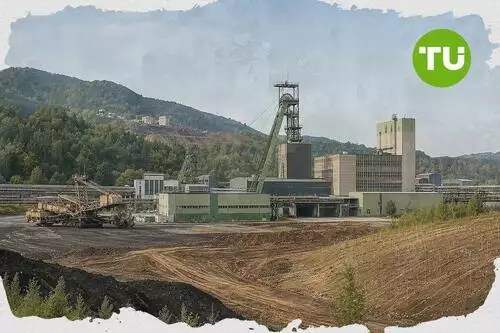
We have also analyzed the Premogovnik Velenje closure as part of the EU’s wider shift away from coal.






Latest EU Sanctions News




-
 Afghanistan
-
 Albania
-
 Algeria
-
 Angola
-
 Argentina
-
 Armenia
-
 Australia
-
 Austria
-
 Azerbaijan
-
 Bahamas
-
 Bahrain
-
 Bangladesh
-
 Belarus
-
 Belgium
-
 Bolivia
-
 Botswana
-
 Brazil
-
 Brunei
-
 Bulgaria
-
 Cambodia
-
 Cameroon
-
 Canada
-
 Chile
-
 China
-
 Colombia
-
 Congo
-
 Costa Rica
-
 Cote d'Ivoire
-
 Croatia
-
 Cuba
-
 Cyprus
-
 Czechia
-
 DR Congo
-
 Denmark
-
 Dominican Republic
-
 Ecuador
-
 Egypt
-
 El Salvador
-
 Estonia
-
 Eswatini
-
 Ethiopia
-
 Finland
-
 France
-
 Georgia
-
 Germany
-
 Ghana
-
 Greece
-
 Haiti
-
 Hong Kong
-
 Hungary
-
 India
-
 Indonesia
-
 Iran, Islamic republic
-
 Iraq
-
 Ireland
-
 Israel
-
 Italy
-
 Jamaica
-
 Japan
-
 Jordan
-
 Kazakhstan
-
 Kenya
-
 Korea
-
 Kuwait
-
 Kyrgyzstan
-
 Laos
-
 Latvia
-
 Lebanon
-
 Lesotho
-
 Libya
-
 Lithuania
-
 Luxembourg
-
 Madagascar
-
 Malaysia
-
 Malta
-
 Mauritius
-
 Mexico
-
 Moldova
-
 Mongolia
-
 Montenegro
-
 Morocco
-
 Mozambique
-
 Myanmar
-
 Namibia
-
 Nepal
-
 Netherlands
-
 New Zealand
-
 Nigeria
-
 North Macedonia
-
 Norway
-
 Oman
-
 Pakistan
-
 Palestine
-
 Panama
-
 Papua New Guinea
-
 Paraguay
-
 Peru
-
 Philippines
-
 Poland
-
 Portugal
-
 Puerto Rico
-
 Qatar
-
 Reunion
-
 Romania
-
 Rwanda
-
 Saudi Arabia
-
 Serbia
-
 Singapore
-
 Slovakia
-
 Slovenia
-
 Somalia
-
 South Africa
-
 Spain
-
 Sri Lanka
-
 Sweden
-
 Switzerland
-
 Syria
-
 Taiwan
-
 Tajikistan
-
 Tanzania
-
 Thailand
-
 Trinidad and Tobago
-
 Tunisia
-
 Turkey
-
 UAE
-
 Uganda
-
 Ukraine
-
 United Kingdom
-
United States
-
 Uruguay
-
 Uzbekistan
-
 Venezuela
-
 Vietnam
-
 Yemen
-
 Zambia
-
 Zimbabwe
- Forex
- Crypto












