

OFAC outlines Russia sanctions framework targeting security and foreign policy risks

U.S. sanctions on Russia span multiple executive orders and federal legislation aimed at responding to cyber activity, regional aggression and other actions Washington views as destabilizing. The framework includes measures tied to harmful foreign activities, the war-related situation in Ukraine and broader restrictions under the Countering America's Adversaries Through Sanctions Act.
Highlights
- OFAC enforces Russia Harmful Foreign Activities Sanctions under Executive Order 14024, targeting cyber attacks, misinformation, and state-linked destabilizing actions.
- Executive Order 14065 recently expanded Ukraine-/Russia-related sanctions in response to continued conflict and aggression in the region.
- CAATSA 2017 and executive orders together create a layered sanctions regime, increasing compliance complexity for businesses and financial institutions dealing with Russian-linked sectors.
Sanctions framework and legal basis
As reported by OFAC, the Russia Harmful Foreign Activities Sanctions are implemented under Executive Order 14024, as amended, with measures aimed at sectors linked to actions by the Russian government against the U.S. and its allies.The program is designed to hold accountable those involved in cyber attacks, misinformation campaigns and other activities described as destabilizing. The text also says Ukraine-/Russia-related sanctions are enforced through multiple executive orders, with Executive Order 14065 identified as the most recent measure expanding existing restrictions in response to ongoing conflict and aggression in the region.
Broader policy scope and market relevance
In addition to the executive orders, the Countering America's Adversaries Through Sanctions Act of 2017, or CAATSA, sets out further sanctions against Russian individuals and entities. The law focuses in part on security threats associated with their actions.Taken together, the measures show a layered U.S. sanctions structure that combines executive authority with congressional legislation. For businesses and financial institutions, that framework shapes compliance requirements across affected sectors and counterparties connected to Russia.
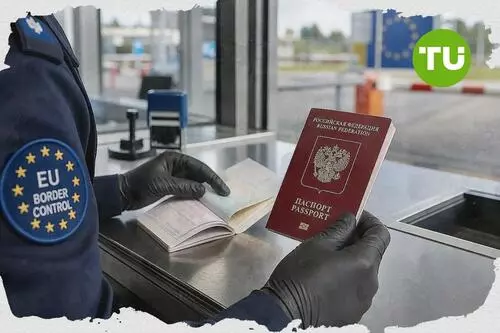
We have previously detailed the EU sanctions package expanding restrictions on Russian banks, energy services, and visa and travel measures.






Latest Russia News


-
 Afghanistan
-
 Albania
-
 Algeria
-
 Angola
-
 Argentina
-
 Armenia
-
 Australia
-
 Austria
-
 Azerbaijan
-
 Bahamas
-
 Bahrain
-
 Bangladesh
-
 Belarus
-
 Belgium
-
 Bolivia
-
 Botswana
-
 Brazil
-
 Brunei
-
 Bulgaria
-
 Cambodia
-
 Cameroon
-
 Canada
-
 Chile
-
 China
-
 Colombia
-
 Congo
-
 Costa Rica
-
 Cote d'Ivoire
-
 Croatia
-
 Cuba
-
 Cyprus
-
 Czechia
-
 DR Congo
-
 Denmark
-
 Dominican Republic
-
 Ecuador
-
 Egypt
-
 El Salvador
-
 Estonia
-
 Eswatini
-
 Ethiopia
-
 Finland
-
 France
-
 Georgia
-
 Germany
-
 Ghana
-
 Greece
-
 Haiti
-
 Hong Kong
-
 Hungary
-
 India
-
 Indonesia
-
 Iran, Islamic republic
-
 Iraq
-
 Ireland
-
 Israel
-
 Italy
-
 Jamaica
-
 Japan
-
 Jordan
-
 Kazakhstan
-
 Kenya
-
 Korea
-
 Kuwait
-
 Kyrgyzstan
-
 Laos
-
 Latvia
-
 Lebanon
-
 Lesotho
-
 Libya
-
 Lithuania
-
 Luxembourg
-
 Madagascar
-
 Malaysia
-
 Malta
-
 Mauritius
-
 Mexico
-
 Moldova
-
 Mongolia
-
 Montenegro
-
 Morocco
-
 Mozambique
-
 Myanmar
-
 Namibia
-
 Nepal
-
 Netherlands
-
 New Zealand
-
 Nigeria
-
 North Macedonia
-
 Norway
-
 Oman
-
 Pakistan
-
 Palestine
-
 Panama
-
 Papua New Guinea
-
 Paraguay
-
 Peru
-
 Philippines
-
 Poland
-
 Portugal
-
 Puerto Rico
-
 Qatar
-
 Reunion
-
 Romania
-
 Rwanda
-
 Saudi Arabia
-
 Serbia
-
 Singapore
-
 Slovakia
-
 Slovenia
-
 Somalia
-
 South Africa
-
 Spain
-
 Sri Lanka
-
 Sweden
-
 Switzerland
-
 Syria
-
 Taiwan
-
 Tajikistan
-
 Tanzania
-
 Thailand
-
 Trinidad and Tobago
-
 Tunisia
-
 Turkey
-
 UAE
-
 Uganda
-
 Ukraine
-
 United Kingdom
-
United States
-
 Uruguay
-
 Uzbekistan
-
 Venezuela
-
 Vietnam
-
 Yemen
-
 Zambia
-
 Zimbabwe
- Forex
- Crypto












