


As services trade expands and supply chain risks persist, UN Trade and Development says trade policy needs broader coordination to support inclusive and sustainable growth. The agency links that agenda to digital services gaps and the fallout from the Hormuz crisis for vulnerable economies.
Highlights
- UNCTAD urges closer coordination between trade, industrial policy, services, technology, finance, and investment at the WTO Public Forum 2026 to achieve development outcomes.
- Digitally delivered services comprise 56% of global services exports versus 16% in least developed countries and 61% in developed economies, with gaps driven by digital infrastructure and regulatory compatibility.
- Strait of Hormuz disruptions since late February impact 11% of global maritime trade and one third of seaborne oil exports, risking an extra $20.4 billion annual oil import bill for 61 vulnerable economies if oil prices rise 50%.
Digital services and policy coordination
As reported by UN Trade and Development, the agency tells the WTO Public Forum 2026 in Geneva that trade cannot deliver development outcomes on its own and requires closer alignment with industrial policy, services, technology, finance and investment. UNCTAD says stronger coordination can help countries convert policy goals into tangible gains while improving resilience to global shocks.The forum focuses this year on services trade, which UNCTAD describes as the fastest-growing sector in global commerce. Speaking at a session on digital-ready services economies, Acting Secretary-General Pedro Manuel Moreno says digitally delivered services create significant opportunities, but the gap between countries is widening.
Digitally deliverable services account for 56% of global services exports, compared with 16% in least developed countries and 61% in developed economies. Moreno says digital readiness depends not only on internet access, but also on payment systems, logistics, skills and access to capital, while greater compatibility across bilateral, regional and multilateral digital trade rules remains essential.
Hormuz disruption raises costs for vulnerable economies
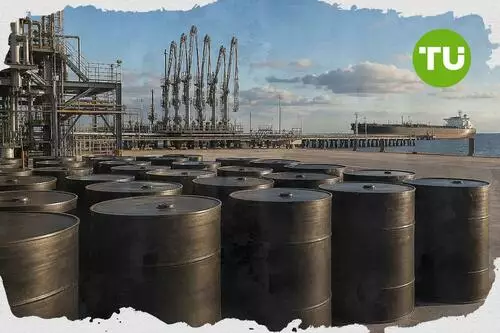
At a separate forum session on the Hormuz crisis, discussions focus on how disruptions to critical maritime routes spread through the wider economy. The Strait of Hormuz carries about 11% of global maritime trade by volume and roughly one third of seaborne oil exports, and since late February the ongoing crisis is affecting shipping, energy prices, fertilizer and transport costs, food prices and financial markets.UNCTAD says the pressure is especially severe for least developed countries and small island developing states, including 61 economies that rely on imports of both oil and cereals. Many of them enter the crisis with high debt and limited financial buffers, and UNCTAD estimates that a 50% increase in oil prices could add $20.4 billion a year to their oil import bill.
Fertilizer trade is also at risk because around one third of global seaborne fertilizer flows normally passes through the strait. Moreno says shocks move quickly but fade slowly, arguing for early-warning systems that connect shipping, energy, food and finance, alongside access to liquidity, trade finance and dependable logistics when crises hit.
Our earlier article on London marine insurers widening the Black Sea high-risk zone explained how escalating attacks on commercial vessels are driving stricter reporting requirements and pushing up war risk premiums. We noted that the higher insurance costs are adding hundreds of thousands of dollars to a typical seven-day voyage, increasing pressure on shipments of grain and energy through a key regional corridor.





Latest Supply Chain News





-
 Afghanistan
-
 Albania
-
 Algeria
-
 Angola
-
 Argentina
-
 Armenia
-
 Australia
-
 Austria
-
 Azerbaijan
-
 Bahamas
-
 Bahrain
-
 Bangladesh
-
 Belarus
-
 Belgium
-
 Bolivia
-
 Botswana
-
 Brazil
-
 Brunei
-
 Bulgaria
-
 Cambodia
-
 Cameroon
-
 Canada
-
 Chile
Chile
-
 China
China
-
 Colombia
-
 Congo
Congo
-
 Costa Rica
-
 Cote d'Ivoire
-
 Croatia
-
 Cuba
Cuba
-
 Cyprus
-
 Czechia
-
 DR Congo
-
 Denmark
-
 Dominican Republic
-
 Ecuador
-
 Egypt
Egypt
-
 El Salvador
-
 Estonia
-
 Eswatini
-
 Ethiopia
-
 Finland
-
 France
-
 Georgia
-
 Germany
-
 Ghana
Ghana
-
 Greece
-
 Haiti
Haiti
-
 Hong Kong
-
 Hungary
-
 India
India
-
 Indonesia
-
 Iran, Islamic republic
-
 Iraq
Iraq
-
 Ireland
-
 Israel
-
 Italy
Italy
-
 Jamaica
-
 Japan
Japan
-
 Jordan
-
 Kazakhstan
-
 Kenya
Kenya
-
 Korea
Korea
-
 Kuwait
-
 Kyrgyzstan
-
 Laos
Laos
-
 Latvia
-
 Lebanon
-
 Lesotho
-
 Libya
Libya
-
 Lithuania
-
 Luxembourg
-
 Madagascar
-
 Malaysia
-
 Malta
Malta
-
 Mauritius
-
 Mexico
-
 Moldova
-
 Mongolia
-
 Montenegro
-
 Morocco
-
 Mozambique
-
 Myanmar
-
 Namibia
-
 Nepal
Nepal
-
 Netherlands
-
 New Zealand
-
 Nigeria
-
 North Macedonia
-
 Norway
-
 Oman
Oman
-
 Pakistan
-
 Palestine
-
 Panama
-
 Papua New Guinea
-
 Paraguay
-
 Peru
Peru
-
 Philippines
-
 Poland
-
 Portugal
-
 Puerto Rico
-
 Qatar
Qatar
-
 Reunion
-
 Romania
-
 Rwanda
-
 Saudi Arabia
-
 Serbia
-
 Singapore
-
 Slovakia
-
 Slovenia
-
 Somalia
-
 South Africa
-
 Spain
Spain
-
 Sri Lanka
-
 Sweden
-
 Switzerland
-
 Syria
Syria
-
 Taiwan
-
 Tajikistan
-
 Tanzania
-
 Thailand
-
 Trinidad and Tobago
-
 Tunisia
-
 Turkey
-
 UAE
UAE
-
 Uganda
-
 Ukraine
-
 United Kingdom
-
United States
-
 Uruguay
-
 Uzbekistan
-
 Venezuela
-
 Vietnam
-
 Yemen
Yemen
-
 Zambia
-
 Zimbabwe
- Forex
- Crypto












