

UNCTAD study shows NVIDIA captures most profit in AI server supply chain

As global demand for AI hardware expands, a new UNCTAD analysis highlights how the economic gains from advanced server production remain heavily concentrated despite a multinational manufacturing footprint. The study finds that while minerals, chips and assembly work come from economies across Latin America and Asia, most traced profit in one high-end AI server rack flows to NVIDIA.
Highlights
- NVIDIA captures most of the after-tax profit—68% of the $2.92 million value added—from the $3.3 million GB200 NVL72 AI server supply chain.
- Workers receive less than 15% of the traced value, with supply chain activities geographically dispersed from Chile and Peru to Korea, Taiwan, Malaysia, and Mexico.
- AI-enabling goods make up one sixth of global goods trade and 42% of its value growth in 2025, but supplier economies face increasing difficulty moving up the value chain.
Value distribution in AI server production
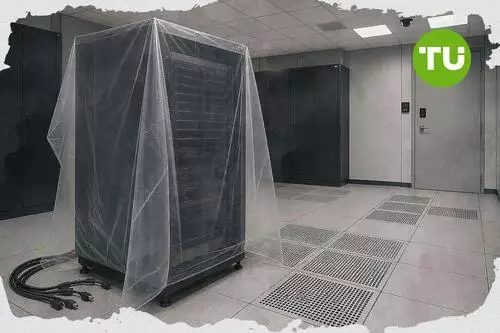
As reported by UNCTAD, citing UN Trade and Development, its researchers examined the NVIDIA GB200 NVL72, an advanced server rack used in data centres, to trace how value is distributed across the supply chain. The analysis focuses on a machine worth about $3.3 million and allocates 87% of its total value added, about $2.92 million, across six components including labour, capital, corporate income tax and after-tax profit.UNCTAD says 68% of the traced value added is after-tax profit left once operating costs and corporate income taxes are deducted. Most of that profit goes to NVIDIA, which designs the chips and outsources manufacturing to other firms, while workers together receive less than 15% of the traced value.
The supply chain spans several economies before the server answers its first prompt. Copper comes from producers such as Chile and Peru, chips are made in the Republic of Korea and Taiwan Province of China, and assembly plants in Malaysia and Mexico help turn components into a working machine.
Trade gains and industrial policy pressures
UNCTAD argues that this concentration matters as demand for AI-enabling hardware rises and governments seek better-paid industrial jobs. The agency notes that technology and AI-enabling goods, including chips and servers, account for about one sixth of global goods trade in 2025 and 42% of its growth in value, citing World Trade Organization data.The findings suggest that the AI boom can lift mineral exports without materially increasing the share of earnings captured by supplier economies. For countries trying to move from raw materials into higher-value technology production, UNCTAD says the path is becoming harder as access depends increasingly on technology, finance and geopolitical relationships.
That leaves a central policy challenge for exporting and manufacturing economies, because participation in the supply chain does not necessarily translate into stronger income gains. The study indicates that capturing more value, rather than simply supplying inputs, is likely to determine whether AI trade delivers broader development benefits.
Our earlier article on Malaysia’s 2027 Budget technology allocation looked at the RM1.29 billion funding package for the Ministry of Science, Technology and Innovation (MOSTI) aimed at building higher-value capabilities in semiconductors, AI, startups and research commercialisation. It outlined how the money would be channelled into specific programmes and projects—from startup ecosystem support to space and GeoAI infrastructure—with the stated goal of creating more high-value jobs and moving Malaysia up the technology value chain.





Latest Supply Chain News





-
 Afghanistan
-
 Albania
-
 Algeria
-
 Angola
-
 Argentina
-
 Armenia
-
 Australia
-
 Austria
-
 Azerbaijan
-
 Bahamas
-
 Bahrain
-
 Bangladesh
-
 Belarus
-
 Belgium
-
 Bolivia
-
 Botswana
-
 Brazil
-
 Brunei
-
 Bulgaria
-
 Cambodia
-
 Cameroon
-
 Canada
-
 Chile
Chile
-
 China
China
-
 Colombia
-
 Congo
Congo
-
 Costa Rica
-
 Cote d'Ivoire
-
 Croatia
-
 Cuba
Cuba
-
 Cyprus
-
 Czechia
-
 DR Congo
-
 Denmark
-
 Dominican Republic
-
 Ecuador
-
 Egypt
Egypt
-
 El Salvador
-
 Estonia
-
 Eswatini
-
 Ethiopia
-
 Finland
-
 France
-
 Georgia
-
 Germany
-
 Ghana
Ghana
-
 Greece
-
 Haiti
Haiti
-
 Hong Kong
-
 Hungary
-
 India
India
-
 Indonesia
-
 Iran, Islamic republic
-
 Iraq
Iraq
-
 Ireland
-
 Israel
-
 Italy
Italy
-
 Jamaica
-
 Japan
Japan
-
 Jordan
-
 Kazakhstan
-
 Kenya
Kenya
-
 Korea
Korea
-
 Kuwait
-
 Kyrgyzstan
-
 Laos
Laos
-
 Latvia
-
 Lebanon
-
 Lesotho
-
 Libya
Libya
-
 Lithuania
-
 Luxembourg
-
 Madagascar
-
 Malaysia
-
 Malta
Malta
-
 Mauritius
-
 Mexico
-
 Moldova
-
 Mongolia
-
 Montenegro
-
 Morocco
-
 Mozambique
-
 Myanmar
-
 Namibia
-
 Nepal
Nepal
-
 Netherlands
-
 New Zealand
-
 Nigeria
-
 North Macedonia
-
 Norway
-
 Oman
Oman
-
 Pakistan
-
 Palestine
-
 Panama
-
 Papua New Guinea
-
 Paraguay
-
 Peru
Peru
-
 Philippines
-
 Poland
-
 Portugal
-
 Puerto Rico
-
 Qatar
Qatar
-
 Reunion
-
 Romania
-
 Rwanda
-
 Saudi Arabia
-
 Serbia
-
 Singapore
-
 Slovakia
-
 Slovenia
-
 Somalia
-
 South Africa
-
 Spain
Spain
-
 Sri Lanka
-
 Sweden
-
 Switzerland
-
 Syria
Syria
-
 Taiwan
-
 Tajikistan
-
 Tanzania
-
 Thailand
-
 Trinidad and Tobago
-
 Tunisia
-
 Turkey
-
 UAE
UAE
-
 Uganda
-
 Ukraine
-
 United Kingdom
-
United States
-
 Uruguay
-
 Uzbekistan
-
 Venezuela
-
 Vietnam
-
 Yemen
Yemen
-
 Zambia
-
 Zimbabwe
- Forex
- Crypto












