

U.S. stocks face wider sell-off risk as oil rally and AI spending concerns unsettle markets

Investors head into a pivotal week after a volatile stretch in equities, with higher oil prices and questions over corporate spending on artificial intelligence infrastructure weighing on sentiment. Attention is now turning to a heavy slate of earnings and the Federal Reserve's rate decision, with energy shares gaining as broader market indexes finish mixed.
Highlights
- WTI crude rises 3.8% to $103.27 a barrel, its highest since April, increasing pressure on risk assets and supporting energy sector gains.
- The Nasdaq Composite closes down 0.21% after its biggest one-day drop since June, while the S&P 500 falls 0.52% and Dow drops 1.23%.
- Investors await Alphabet, Microsoft, and Amazon earnings next week, with one-third of S&P 500 companies reporting during the year's busiest period.
Volatility builds ahead of Fed decision and earnings
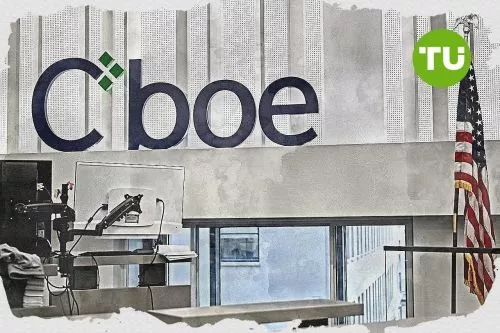
As reported by Cboe, citing Cboe Global Markets, markets are bracing for another bout of volatility next week as investors assess a wave of corporate earnings alongside the Federal Reserve's interest-rate decision on Wednesday.The CME FedWatch tool indicates a 90.6% probability that the Fed keeps rates at 3.75% to 4.0%. Expectations for a 25-basis-point increase in December remain elevated at 70.7%, although that is down from 75.5% a week earlier.
Oil prices are adding to the pressure on risk assets. WTI crude settles at $103.27 a barrel, up 3.8% on the day and at its highest level since April, as conflict and warnings of further disruption in the Middle East keep traders on alert. The Cboe Volatility Index, or VIX, hovers near 20 heading into the weekend, signaling continued caution across markets.
On Friday, the Nasdaq Composite opens lower, briefly moves into positive territory and then closes down 0.21%. The tech-heavy index posts its second straight weekly decline after recording its biggest one-day drop since June on Thursday.
Energy outperforms as investors watch AI spending and consumer signals
The S&P 500 falls 0.52%, while the Dow Jones Industrial Average drops 1.23% after a week of mostly flat to slightly higher trading. Trading patterns suggest investors are reassessing a recent rotation between technology shares and defensive, blue-chip names, while energy stocks advance with the rise in oil prices.Markets may get fresh clues next week on AI productivity and capital expenditure trends when Alphabet and Microsoft report on Wednesday, followed by Amazon on Thursday. The coming reporting period is the busiest earnings week of the year, with one-third of S&P 500 companies scheduled to release results.
Investors are also watching earnings from Seagate Technology, SanDisk, Coca-Cola, United Parcel Service, Caterpillar and Mastercard for signals on business demand, consumer behavior and the broader economic backdrop in the U.S.
Our earlier article on the S&P 500’s push toward 8,000 examined how a midsummer, AI-megacap-led rally was running into a tougher backdrop of higher oil prices, elevated Treasury yields, and political uncertainty. We noted that while headline Q3 earnings growth expectations looked strong, market breadth and concentration risk were raising the bar for corporate results—making the index more vulnerable to disappointment from a small group of leaders.






Latest Cboe Global Markets News




-
 Afghanistan
-
 Albania
-
 Algeria
-
 Angola
-
 Argentina
-
 Armenia
-
 Australia
-
 Austria
-
 Azerbaijan
-
 Bahamas
-
 Bahrain
-
 Bangladesh
-
 Belarus
-
 Belgium
-
 Bolivia
-
 Botswana
-
 Brazil
-
 Brunei
-
 Bulgaria
-
 Cambodia
-
 Cameroon
-
 Canada
-
 Chile
-
 China
-
 Colombia
-
 Congo
-
 Costa Rica
-
 Cote d'Ivoire
-
 Croatia
-
 Cuba
-
 Cyprus
-
 Czechia
-
 DR Congo
-
 Denmark
-
 Dominican Republic
-
 Ecuador
-
 Egypt
-
 El Salvador
-
 Estonia
-
 Eswatini
-
 Ethiopia
-
 Finland
-
 France
-
 Georgia
-
 Germany
-
 Ghana
-
 Greece
-
 Haiti
-
 Hong Kong
-
 Hungary
-
 India
-
 Indonesia
-
 Iran, Islamic republic
-
 Iraq
-
 Ireland
-
 Israel
-
 Italy
-
 Jamaica
-
 Japan
-
 Jordan
-
 Kazakhstan
-
 Kenya
-
 Korea
-
 Kuwait
-
 Kyrgyzstan
-
 Laos
-
 Latvia
-
 Lebanon
-
 Lesotho
-
 Libya
-
 Lithuania
-
 Luxembourg
-
 Madagascar
-
 Malaysia
-
 Malta
-
 Mauritius
-
 Mexico
-
 Moldova
-
 Mongolia
-
 Montenegro
-
 Morocco
-
 Mozambique
-
 Myanmar
-
 Namibia
-
 Nepal
-
 Netherlands
-
 New Zealand
-
 Nigeria
-
 North Macedonia
-
 Norway
-
 Oman
-
 Pakistan
-
 Palestine
-
 Panama
-
 Papua New Guinea
-
 Paraguay
-
 Peru
-
 Philippines
-
 Poland
-
 Portugal
-
 Puerto Rico
-
 Qatar
-
 Reunion
-
 Romania
-
 Rwanda
-
 Saudi Arabia
-
 Serbia
-
 Singapore
-
 Slovakia
-
 Slovenia
-
 Somalia
-
 South Africa
-
 Spain
-
 Sri Lanka
-
 Sweden
-
 Switzerland
-
 Syria
-
 Taiwan
-
 Tajikistan
-
 Tanzania
-
 Thailand
-
 Trinidad and Tobago
-
 Tunisia
-
 Turkey
-
 UAE
-
 Uganda
-
 Ukraine
-
 United Kingdom
-
United States
-
 Uruguay
-
 Uzbekistan
-
 Venezuela
-
 Vietnam
-
 Yemen
-
 Zambia
-
 Zimbabwe
- Forex
- Crypto












