

Banco do Brasil faces leadership change amid agribusiness loan strain in Brazil

Brazil's government is moving to change Banco do Brasil's leadership as concerns deepen over the state-controlled lender's exposure to agricultural loans. The planned move comes even though President Luiz Inácio Lula da Silva's administration remains in power, signaling a push for closer alignment with the country's influential farm sector.
Highlights
- Officials plan to replace Banco do Brasil CEO Tarciana Medeiros after a sharp deterioration in the bank's agribusiness loan portfolio.
- The government seeks a new chief executive with close ties to Brazil's influential agricultural sector amid political and financial concerns.
- Weakness in Banco do Brasil's agricultural loan book threatens earnings, asset quality, and its policy role supporting Brazil's farm economy.
Government weighs CEO transition at state lender
As first reported by Bloomberg, officials are preparing to replace Banco do Brasil Chief Executive Officer Tarciana Medeiros after a sharp deterioration in the bank's portfolio of loans to agricultural businesses. The move centers on concerns over the performance of credit extended to a sector that is strategically important to Brazil's economy and politics.Although leadership changes at the state-controlled bank can follow an election cycle, the current case stands out because Lula's administration is not changing hands. One person familiar with the matter said the government wants a new chief executive with close ties to Brazil's powerful agricultural sector.
Agribusiness ties carry political and financial weight
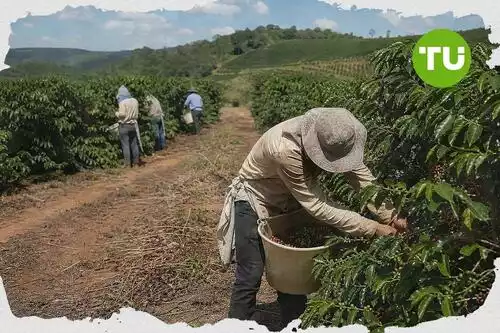
Any change at Banco do Brasil would be closely watched because the lender plays a major role in financing Brazil's farm economy. A weaker agricultural loan book can raise pressure on earnings, asset quality and the bank's broader policy role in supporting key industries.The government's preference for a leader with stronger agribusiness connections also underlines how central the farm sector remains in shaping strategy at state-backed financial institutions. That approach may influence how Banco do Brasil manages credit risk and relationships with one of the country's most influential business constituencies.
As highlighted earlier, PBCom profit drop showed how trading losses and higher credit buffers can squeeze bank results.










-
 Afghanistan
-
 Albania
-
 Algeria
-
 Angola
-
 Argentina
-
 Armenia
-
 Australia
-
 Austria
-
 Azerbaijan
-
 Bahamas
-
 Bahrain
-
 Bangladesh
-
 Belarus
-
 Belgium
-
 Bolivia
-
 Botswana
-
 Brazil
-
 Brunei
-
 Bulgaria
-
 Cambodia
-
 Cameroon
-
 Canada
-
 Chile
-
 China
-
 Colombia
-
 Congo
-
 Costa Rica
-
 Cote d'Ivoire
-
 Croatia
-
 Cuba
-
 Cyprus
-
 Czechia
-
 DR Congo
-
 Denmark
-
 Dominican Republic
-
 Ecuador
-
 Egypt
-
 El Salvador
-
 Estonia
-
 Eswatini
-
 Ethiopia
-
 Finland
-
 France
-
 Georgia
-
 Germany
-
 Ghana
-
 Greece
-
 Haiti
-
 Hong Kong
-
 Hungary
-
 India
-
 Indonesia
-
 Iran, Islamic republic
-
 Iraq
-
 Ireland
-
 Israel
-
 Italy
-
 Jamaica
-
 Japan
-
 Jordan
-
 Kazakhstan
-
 Kenya
-
 Korea
-
 Kuwait
-
 Kyrgyzstan
-
 Laos
-
 Latvia
-
 Lebanon
-
 Lesotho
-
 Libya
-
 Lithuania
-
 Luxembourg
-
 Madagascar
-
 Malaysia
-
 Malta
-
 Mauritius
-
 Mexico
-
 Moldova
-
 Mongolia
-
 Montenegro
-
 Morocco
-
 Mozambique
-
 Myanmar
-
 Namibia
-
 Nepal
-
 Netherlands
-
 New Zealand
-
 Nigeria
-
 North Macedonia
-
 Norway
-
 Oman
-
 Pakistan
-
 Palestine
-
 Panama
-
 Papua New Guinea
-
 Paraguay
-
 Peru
-
 Philippines
-
 Poland
-
 Portugal
-
 Puerto Rico
-
 Qatar
-
 Reunion
-
 Romania
-
 Rwanda
-
 Saudi Arabia
-
 Serbia
-
 Singapore
-
 Slovakia
-
 Slovenia
-
 Somalia
-
 South Africa
-
 Spain
-
 Sri Lanka
-
 Sweden
-
 Switzerland
-
 Syria
-
 Taiwan
-
 Tajikistan
-
 Tanzania
-
 Thailand
-
 Trinidad and Tobago
-
 Tunisia
-
 Turkey
-
 UAE
-
 Uganda
-
 Ukraine
-
 United Kingdom
-
United States
-
 Uruguay
-
 Uzbekistan
-
 Venezuela
-
 Vietnam
-
 Yemen
-
 Zambia
-
 Zimbabwe
- Forex
- Crypto












