


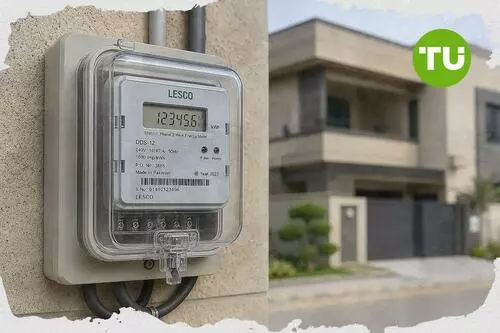
Pakistan's power sector reform agenda is moving toward a large-scale smart metering program covering 16.219 million electricity connections across five distribution companies. The initiative is being prepared under a public-private partnership model that could draw about $973 million to $1.298 billion in investment without requiring upfront payments from consumers.
Highlights
- IFC will meet Pakistan's Power Division on November 30, 2026, to advance a PPP-based smart metering initiative across five DISCOs covering 16.219 million meters.
- Total investment for smart meter rollout is estimated at $973 million to $1.298 billion, with $60–$80 cost per meter, and phased investor recovery via monthly electricity bills.
- The project aims for completion within two years, targeting priority feeders first, to address high distribution losses, billing inaccuracies, and electricity theft in Pakistan's power sector.
IFC meeting agenda and rollout structure
As reported by Business Recorder, the International Finance Corporation is preparing discussions with Pakistan's Power Division on a smart metering initiative, wider DISCO reforms, transmission infrastructure and steps to cut energy costs to support investment-led growth.IFC Regional Vice President Imad Najib Ayed Fakhoury, accompanied by senior IFC management, will visit Pakistan from November 24 to December 2, 2026. In a meeting request to the power minister, IFC has sought an appointment for November 30, 2026, to review the World Bank Group's ongoing engagement in the sector and options to improve operational efficiency, advance structural reforms and strengthen conditions for private-sector participation.
One of the main agenda items is the rollout of Advanced Metering Infrastructure in Lahore Electric Supply Company, Multan Electric Power Company, Peshawar Electric Supply Company, Hazara Electric Supply Company and Quetta Electric Supply Company. Under the plan, 16.219 million conventional single-phase meters are to be replaced with smart metering systems in multiple phases through private AMI service providers under a PPP model.
IFC is already engaged as transaction advisor for the program, and a Transaction Advisory Services Agreement was signed on April 17, 2026, for three years. Procurement is envisaged through International Competitive Bidding and or government-to-government arrangements, while IFC consultants are working on financial, technical and legal feasibility to determine a viable transaction structure.
Investment model and power-sector impact
The preliminary investment estimate stands at $60 to $80 per meter, implying a total requirement of roughly $973 million to $1.298 billion. The cost includes meter supply and installation, links to Head-End Systems and Meter Data Management systems, licensing fees and related expenses.Consumers are not expected to pay upfront for replacement of conventional single-phase meters, with installation planned free of cost at the point of deployment. Instead, private investors are to receive an agreed payment per meter through monthly electricity bills in local currency, allowing recovery of capital over the contractual period while limiting the immediate fiscal burden on the government and users.
Sources said the project is envisaged for completion within two years, with initial implementation focused on priority feeders to accelerate capital deployment. The Private Power and Infrastructure Board is expected to hold market-sounding sessions in Karachi and Islamabad to gauge investor interest and gather feedback on the proposed structure.
The advisory assignment is divided into four phases: diagnostics and rollout planning; transaction structuring and market sounding; procurement support and bidding management; and contract finalization through financial close. The AMI program is seen as part of the government's broader effort to tackle high distribution losses, inaccurate billing, electricity theft and weak recovery rates in Pakistan's power distribution system.
We have also analyzed Bangladesh financial deepening, noting that broader banking and digital-finance growth has not ensured stronger intermediation.










-
 Afghanistan
-
 Albania
-
 Algeria
-
 Angola
-
 Argentina
-
 Armenia
-
 Australia
-
 Austria
-
 Azerbaijan
-
 Bahamas
-
 Bahrain
-
 Bangladesh
-
 Belarus
-
 Belgium
-
 Bolivia
-
 Botswana
-
 Brazil
-
 Brunei
-
 Bulgaria
-
 Cambodia
-
 Cameroon
-
 Canada
-
 Chile
-
 China
-
 Colombia
-
 Congo
-
 Costa Rica
-
 Cote d'Ivoire
-
 Croatia
-
 Cuba
-
 Cyprus
-
 Czechia
-
 DR Congo
-
 Denmark
-
 Dominican Republic
-
 Ecuador
-
 Egypt
-
 El Salvador
-
 Estonia
-
 Eswatini
-
 Ethiopia
-
 Finland
-
 France
-
 Georgia
-
 Germany
-
 Ghana
-
 Greece
-
 Haiti
-
 Hong Kong
-
 Hungary
-
 India
-
 Indonesia
-
 Iran, Islamic republic
-
 Iraq
-
 Ireland
-
 Israel
-
 Italy
-
 Jamaica
-
 Japan
-
 Jordan
-
 Kazakhstan
-
 Kenya
-
 Korea
-
 Kuwait
-
 Kyrgyzstan
-
 Laos
-
 Latvia
-
 Lebanon
-
 Lesotho
-
 Libya
-
 Lithuania
-
 Luxembourg
-
 Madagascar
-
 Malaysia
-
 Malta
-
 Mauritius
-
 Mexico
-
 Moldova
-
 Mongolia
-
 Montenegro
-
 Morocco
-
 Mozambique
-
 Myanmar
-
 Namibia
-
 Nepal
-
 Netherlands
-
 New Zealand
-
 Nigeria
-
 North Macedonia
-
 Norway
-
 Oman
-
 Pakistan
-
 Palestine
-
 Panama
-
 Papua New Guinea
-
 Paraguay
-
 Peru
-
 Philippines
-
 Poland
-
 Portugal
-
 Puerto Rico
-
 Qatar
-
 Reunion
-
 Romania
-
 Rwanda
-
 Saudi Arabia
-
 Serbia
-
 Singapore
-
 Slovakia
-
 Slovenia
-
 Somalia
-
 South Africa
-
 Spain
-
 Sri Lanka
-
 Sweden
-
 Switzerland
-
 Syria
-
 Taiwan
-
 Tajikistan
-
 Tanzania
-
 Thailand
-
 Trinidad and Tobago
-
 Tunisia
-
 Turkey
-
 UAE
-
 Uganda
-
 Ukraine
-
 United Kingdom
-
United States
-
 Uruguay
-
 Uzbekistan
-
 Venezuela
-
 Vietnam
-
 Yemen
-
 Zambia
-
 Zimbabwe
- Forex
- Crypto












