


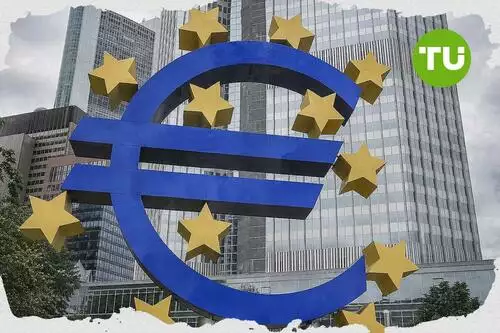
The European Central Bank is heading toward a sharper gender imbalance when Christine Lagarde leaves in February. Her departure, alongside board member Isabel Schnabel, is set to leave just one woman among the ECB's 27 policymakers, deepening concerns about representation at an institution that has promoted diversity for years.
Highlights
- With Christine Lagarde and Isabel Schnabel leaving, the ECB's Governing Council will have just one woman, making it the most male-dominated major central bank among 20 reviewed.
- From February, Laurence Boone will be the sole woman on the ECB’s Governing Council, lowering its female representation below that of the Saudi Central Bank’s board.
- Research shows more gender-balanced monetary policy committees discuss a broader range of issues and may respond more aggressively to inflation, influencing policy outcomes.
Leadership changes deepen representation gap
As reported by Reuters, the shift would make the ECB the most male-dominated major central bank among those reviewed in an analysis of 20 leading institutions. Women currently hold about 28% of seats on top policymaking bodies across that group, while the ECB is set to fall below even that level once Lagarde and Schnabel depart.From February, French nominee Laurence Boone, who is expected to replace Schnabel, would be the only woman on the ECB's Governing Council. That would leave the Frankfurt-based institution with a lower female share on its main policymaking body than the Saudi Central Bank, which has one woman on its eight-member board.
Stéphanie Yon-Courtin, a member of the European Parliament committee that oversees the ECB, says an institution whose decisions affect 350 million Europeans cannot afford to overlook half the available talent. She adds that upcoming confirmation hearings are likely to become another venue for lawmakers to press euro zone governments to submit gender-balanced shortlists.
The ECB says around 40% of its senior managers are now women, and roughly half of appointments and promotions go to women. But the bank has limited control over the composition of its top policymaking ranks because 21 of the Governing Council's 27 members are national central bank governors chosen separately by euro zone countries.
Broader policy and talent implications
Research cited in the debate suggests committee makeup can influence how monetary policy is discussed and decided. A study of three decades of U.S. Federal Reserve deliberations finds that more gender-balanced committees engage in broader discussions, examine a wider range of issues and are more willing to challenge prevailing views.Separate research covering 90 countries between 2001 and 2017 finds that policy bodies with a higher share of women tend to respond more aggressively when inflation rises quickly. Davide Romelli, a professor at Trinity College Dublin and one of the study's authors, says women in a male-dominated field may feel pressure to show their presence will not soften policy.
The ECB's imbalance also reflects a wider shortage of women in senior economics roles. The Women in Economics Initiative estimates that women account for about a quarter of leaders across economics think tanks, university departments, major companies and international economic institutions, while only about one in seven central bank governors and finance ministers is a woman.
Maria Demertzis, a professor at the European University Institute, says the pipeline weakens after university despite roughly equal numbers of men and women entering economics studies. Recent appointments of female deputy central bank governors in Germany, France, Italy and Spain point to some improvement, but research on central banks within the Organisation for Economic Co-operation and Development suggests gains can unravel quickly because women are more likely to replace another woman than to succeed a man.
We have previously noted the Basel G-SIB assessment details released by the Basel Committee to clarify systemic-risk scoring and capital requirements.






Latest ECB News


-
 Afghanistan
-
 Albania
-
 Algeria
-
 Angola
-
 Argentina
-
 Armenia
-
 Australia
-
 Austria
-
 Azerbaijan
-
 Bahamas
-
 Bahrain
-
 Bangladesh
-
 Belarus
-
 Belgium
-
 Bolivia
-
 Botswana
-
 Brazil
-
 Brunei
-
 Bulgaria
-
 Cambodia
-
 Cameroon
-
 Canada
-
 Chile
-
 China
-
 Colombia
-
 Congo
-
 Costa Rica
-
 Cote d'Ivoire
-
 Croatia
-
 Cuba
-
 Cyprus
-
 Czechia
-
 DR Congo
-
 Denmark
-
 Dominican Republic
-
 Ecuador
-
 Egypt
-
 El Salvador
-
 Estonia
-
 Eswatini
-
 Ethiopia
-
 Finland
-
 France
-
 Georgia
-
 Germany
-
 Ghana
-
 Greece
-
 Haiti
-
 Hong Kong
-
 Hungary
-
 India
-
 Indonesia
-
 Iran, Islamic republic
-
 Iraq
-
 Ireland
-
 Israel
-
 Italy
-
 Jamaica
-
 Japan
-
 Jordan
-
 Kazakhstan
-
 Kenya
-
 Korea
-
 Kuwait
-
 Kyrgyzstan
-
 Laos
-
 Latvia
-
 Lebanon
-
 Lesotho
-
 Libya
-
 Lithuania
-
 Luxembourg
-
 Madagascar
-
 Malaysia
-
 Malta
-
 Mauritius
-
 Mexico
-
 Moldova
-
 Mongolia
-
 Montenegro
-
 Morocco
-
 Mozambique
-
 Myanmar
-
 Namibia
-
 Nepal
-
 Netherlands
-
 New Zealand
-
 Nigeria
-
 North Macedonia
-
 Norway
-
 Oman
-
 Pakistan
-
 Palestine
-
 Panama
-
 Papua New Guinea
-
 Paraguay
-
 Peru
-
 Philippines
-
 Poland
-
 Portugal
-
 Puerto Rico
-
 Qatar
-
 Reunion
-
 Romania
-
 Rwanda
-
 Saudi Arabia
-
 Serbia
-
 Singapore
-
 Slovakia
-
 Slovenia
-
 Somalia
-
 South Africa
-
 Spain
-
 Sri Lanka
-
 Sweden
-
 Switzerland
-
 Syria
-
 Taiwan
-
 Tajikistan
-
 Tanzania
-
 Thailand
-
 Trinidad and Tobago
-
 Tunisia
-
 Turkey
-
 UAE
-
 Uganda
-
 Ukraine
-
 United Kingdom
-
United States
-
 Uruguay
-
 Uzbekistan
-
 Venezuela
-
 Vietnam
-
 Yemen
-
 Zambia
-
 Zimbabwe
- Forex
- Crypto












