

Long-Term Stock Exchange files AI safety standards proposal with U.S. SEC

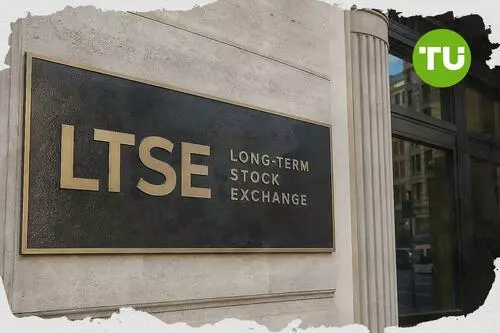
Growing regulatory attention on artificial intelligence is pushing market operators to define clearer governance expectations for listed companies. The Long-Term Stock Exchange says its proposal to the U.S. Securities and Exchange Commission is intended to support long-term value creation by setting standards around transparency, accountability and sustainability.
Highlights
- Long-Term Stock Exchange filed a proposal with the U.S. SEC outlining new AI safety standards for public companies, emphasizing transparency, accountability, and sustainability.
- LTSE aims to create a framework that manages AI risks related to bias, privacy, and security, engaging regulators, investors, and technology leaders in the process.
- The proposal aligns with LTSE's effort to promote long-term goals in public markets, potentially influencing corporate AI integration and risk management strategies.
Proposed framework for public companies
As outlined by the Long-Term Stock Exchange, the proposal filed with the U.S. Securities and Exchange Commission sets out new safety standards for artificial intelligence use by public companies.The exchange says the initiative responds to accelerating AI adoption across industries and the need for frameworks that manage risks tied to bias, privacy and security. LTSE argues that clearer standards can protect investors while supporting innovation and more ethical deployment of AI systems.
The proposed approach centers on transparency, accountability and sustainability. LTSE is also engaging regulators, investors and technology leaders as it works to refine the standards into a broader framework for AI governance in capital markets.
Implications for markets and AI oversight
LTSE is positioning the proposal as part of its wider effort to promote long-term goals in public markets rather than short-term gains. The exchange says that approach could influence how companies integrate emerging technologies into corporate strategy and risk management.The filing comes as scrutiny of AI technologies continues to increase in the U.S. and other markets. Supporters of more defined guardrails argue that formal safety standards can help reduce operational and investor risks while preserving the economic benefits of AI development.






Latest LTSE News



-
 Afghanistan
-
 Albania
-
 Algeria
-
 Angola
-
 Argentina
-
 Armenia
-
 Australia
-
 Austria
-
 Azerbaijan
-
 Bahamas
-
 Bahrain
-
 Bangladesh
-
 Belarus
-
 Belgium
-
 Bolivia
-
 Botswana
-
 Brazil
-
 Brunei
-
 Bulgaria
-
 Cambodia
-
 Cameroon
-
 Canada
-
 Chile
-
 China
-
 Colombia
-
 Congo
-
 Costa Rica
-
 Cote d'Ivoire
-
 Croatia
-
 Cuba
-
 Cyprus
-
 Czechia
-
 DR Congo
-
 Denmark
-
 Dominican Republic
-
 Ecuador
-
 Egypt
-
 El Salvador
-
 Estonia
-
 Eswatini
-
 Ethiopia
-
 Finland
-
 France
-
 Georgia
-
 Germany
-
 Ghana
-
 Greece
-
 Haiti
-
 Hong Kong
-
 Hungary
-
 India
-
 Indonesia
-
 Iran, Islamic republic
-
 Iraq
-
 Ireland
-
 Israel
-
 Italy
-
 Jamaica
-
 Japan
-
 Jordan
-
 Kazakhstan
-
 Kenya
-
 Korea
-
 Kuwait
-
 Kyrgyzstan
-
 Laos
-
 Latvia
-
 Lebanon
-
 Lesotho
-
 Libya
-
 Lithuania
-
 Luxembourg
-
 Madagascar
-
 Malaysia
-
 Malta
-
 Mauritius
-
 Mexico
-
 Moldova
-
 Mongolia
-
 Montenegro
-
 Morocco
-
 Mozambique
-
 Myanmar
-
 Namibia
-
 Nepal
-
 Netherlands
-
 New Zealand
-
 Nigeria
-
 North Macedonia
-
 Norway
-
 Oman
-
 Pakistan
-
 Palestine
-
 Panama
-
 Papua New Guinea
-
 Paraguay
-
 Peru
-
 Philippines
-
 Poland
-
 Portugal
-
 Puerto Rico
-
 Qatar
-
 Reunion
-
 Romania
-
 Rwanda
-
 Saudi Arabia
-
 Serbia
-
 Singapore
-
 Slovakia
-
 Slovenia
-
 Somalia
-
 South Africa
-
 Spain
-
 Sri Lanka
-
 Sweden
-
 Switzerland
-
 Syria
-
 Taiwan
-
 Tajikistan
-
 Tanzania
-
 Thailand
-
 Trinidad and Tobago
-
 Tunisia
-
 Turkey
-
 UAE
-
 Uganda
-
 Ukraine
-
 United Kingdom
-
United States
-
 Uruguay
-
 Uzbekistan
-
 Venezuela
-
 Vietnam
-
 Yemen
-
 Zambia
-
 Zimbabwe
- Forex
- Crypto












