

FinCEN, U.S. banking agencies issue SAR confidentiality guidance for customer communications

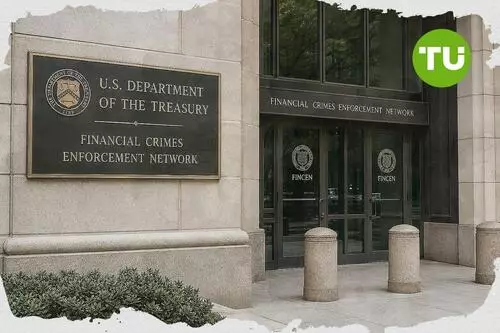
U.S. banking regulators are clarifying how banks can communicate with customers while handling potentially fraudulent transactions and account closures. The joint statement says Suspicious Activity Report confidentiality rules do not bar transparent and timely contact with customers during a bank's fraud investigation.
Highlights
- FinCEN, the Federal Reserve, FDIC, NCUA, and OCC jointly clarified that communicating with customers about suspicious transactions does not violate SAR confidentiality.
- The statement assures banks they can discuss potentially fraudulent transactions, suspicious activity, and account closures with customers while remaining compliant with SAR rules.
- The guidance does not alter Bank Secrecy Act requirements or impose new supervisory expectations, reducing legal uncertainty for banks in customer outreach during fraud reviews.
Joint guidance on customer contact
As reported by the Financial Crimes Enforcement Network, FinCEN and the Federal Reserve, FDIC, NCUA, and OCC issue a joint statement saying banks may communicate with customers about potentially fraudulent transactions, other suspicious activity, and account closures without violating Suspicious Activity Report, SAR, confidentiality requirements.The agencies say the statement is intended to clarify how banks can remain compliant with SAR confidentiality rules while still providing customers with timely and transparent communication during fraud reviews.
Compliance implications for banks
The statement does not change existing Bank Secrecy Act legal or regulatory requirements, and it does not create new supervisory expectations for banks.For the banking sector, the guidance is meant to reduce uncertainty around customer outreach in fraud cases by confirming that confidentiality rules do not automatically prevent institutions from explaining account actions or discussing suspicious transactions with clients.
Our earlier article on the UK fine against Citibank’s CBNA London unit explained how Britain’s sanctions watchdog penalised the bank for Russia-related sanctions breaches that largely occurred in 2022. We noted that the regulator linked the failures to strained alert-handling and investigation processes after the initial post-invasion sanctions measures, underscoring how quickly changing rules can expose weaknesses in banks’ compliance controls.










-
 Afghanistan
-
 Albania
-
 Algeria
-
 Angola
-
 Argentina
-
 Armenia
-
 Australia
-
 Austria
-
 Azerbaijan
-
 Bahamas
-
 Bahrain
-
 Bangladesh
-
 Belarus
-
 Belgium
-
 Bolivia
-
 Botswana
-
 Brazil
-
 Brunei
-
 Bulgaria
-
 Cambodia
-
 Cameroon
-
 Canada
-
 Chile
-
 China
-
 Colombia
-
 Congo
-
 Costa Rica
-
 Cote d'Ivoire
-
 Croatia
-
 Cuba
-
 Cyprus
-
 Czechia
-
 DR Congo
-
 Denmark
-
 Dominican Republic
-
 Ecuador
-
 Egypt
-
 El Salvador
-
 Estonia
-
 Eswatini
-
 Ethiopia
-
 Finland
-
 France
-
 Georgia
-
 Germany
-
 Ghana
-
 Greece
-
 Haiti
-
 Hong Kong
-
 Hungary
-
 India
-
 Indonesia
-
 Iran, Islamic republic
-
 Iraq
-
 Ireland
-
 Israel
-
 Italy
-
 Jamaica
-
 Japan
-
 Jordan
-
 Kazakhstan
-
 Kenya
-
 Korea
-
 Kuwait
-
 Kyrgyzstan
-
 Laos
-
 Latvia
-
 Lebanon
-
 Lesotho
-
 Libya
-
 Lithuania
-
 Luxembourg
-
 Madagascar
-
 Malaysia
-
 Malta
-
 Mauritius
-
 Mexico
-
 Moldova
-
 Mongolia
-
 Montenegro
-
 Morocco
-
 Mozambique
-
 Myanmar
-
 Namibia
-
 Nepal
-
 Netherlands
-
 New Zealand
-
 Nigeria
-
 North Macedonia
-
 Norway
-
 Oman
-
 Pakistan
-
 Palestine
-
 Panama
-
 Papua New Guinea
-
 Paraguay
-
 Peru
-
 Philippines
-
 Poland
-
 Portugal
-
 Puerto Rico
-
 Qatar
-
 Reunion
-
 Romania
-
 Rwanda
-
 Saudi Arabia
-
 Serbia
-
 Singapore
-
 Slovakia
-
 Slovenia
-
 Somalia
-
 South Africa
-
 Spain
-
 Sri Lanka
-
 Sweden
-
 Switzerland
-
 Syria
-
 Taiwan
-
 Tajikistan
-
 Tanzania
-
 Thailand
-
 Trinidad and Tobago
-
 Tunisia
-
 Turkey
-
 UAE
-
 Uganda
-
 Ukraine
-
 United Kingdom
-
United States
-
 Uruguay
-
 Uzbekistan
-
 Venezuela
-
 Vietnam
-
 Yemen
-
 Zambia
-
 Zimbabwe
- Forex
- Crypto












