

Canada to highlight Budget 2026 culture investment in Sault Ste. Marie

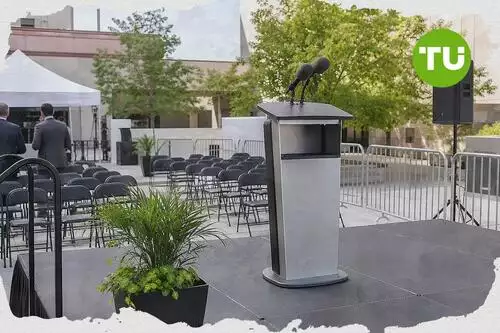
Federal officials are set to outline Budget 2026 support for the culture sector at an event in Sault Ste. Marie, Ontario, on November 10. The appearance by Secretary of State Ruby Sahota includes a media availability and places the focus on how federal cultural spending is being presented at the regional level.
Highlights
- Sahota will highlight federal Budget 2026 investments in culture at the Art Gallery of Algoma in Sault Ste. Marie on November 10, 2026.
- The event focuses on the government's cultural spending priorities and will include a public presentation followed by a media availability.
- Accredited media must arrive 20 minutes early with visible photo identification and credentials for the in-person announcement at 10 East Street.
Event schedule and culture funding focus
According to Government of Canada, Sahota is due to highlight federal budget investments in culture at an in-person event at the Art Gallery of Algoma in Sault Ste. Marie. The event is scheduled for Tuesday, November 10, 2026, at 10:00 a.m. ET.A media availability follows the event, according to the notice. The announcement identifies Sahota as Secretary of State for Combatting Crime and frames the appearance around the federal government's Budget 2026 cultural spending priorities.
Local access and media arrangements
The venue listed for the event is the Art Gallery of Algoma, located at 10 East Street in Sault Ste. Marie, Ontario. The notice indicates the event is held in person, pointing to a public-facing presentation of the budget's culture measures in the region.Accredited media representatives are asked to arrive 20 minutes before the start time to sign in and present photo identification and media credentials. The notice also says identification must remain visible at all times.
Our earlier article on Malaysia’s Budget 2027 highlighted how federal spending rose 9.7% year over year and noted that allocations often increase around election cycles, with added pressure from supplies-and-services costs. We also outlined how factors such as minimum-wage implementation, major tourism initiatives, and preparations for large events can shape budget priorities and influence longer-term fiscal goals.






Latest Canada News



-
 Afghanistan
-
 Albania
-
 Algeria
-
 Angola
-
 Argentina
-
 Armenia
-
 Australia
-
 Austria
-
 Azerbaijan
-
 Bahamas
-
 Bahrain
-
 Bangladesh
-
 Belarus
-
 Belgium
-
 Bolivia
-
 Botswana
-
 Brazil
-
 Brunei
-
 Bulgaria
-
 Cambodia
-
 Cameroon
-
 Canada
-
 Chile
-
 China
-
 Colombia
-
 Congo
-
 Costa Rica
-
 Cote d'Ivoire
-
 Croatia
-
 Cuba
-
 Cyprus
-
 Czechia
-
 DR Congo
-
 Denmark
-
 Dominican Republic
-
 Ecuador
-
 Egypt
-
 El Salvador
-
 Estonia
-
 Eswatini
-
 Ethiopia
-
 Finland
-
 France
-
 Georgia
-
 Germany
-
 Ghana
-
 Greece
-
 Haiti
-
 Hong Kong
-
 Hungary
-
 India
-
 Indonesia
-
 Iran, Islamic republic
-
 Iraq
-
 Ireland
-
 Israel
-
 Italy
-
 Jamaica
-
 Japan
-
 Jordan
-
 Kazakhstan
-
 Kenya
-
 Korea
-
 Kuwait
-
 Kyrgyzstan
-
 Laos
-
 Latvia
-
 Lebanon
-
 Lesotho
-
 Libya
-
 Lithuania
-
 Luxembourg
-
 Madagascar
-
 Malaysia
-
 Malta
-
 Mauritius
-
 Mexico
-
 Moldova
-
 Mongolia
-
 Montenegro
-
 Morocco
-
 Mozambique
-
 Myanmar
-
 Namibia
-
 Nepal
-
 Netherlands
-
 New Zealand
-
 Nigeria
-
 North Macedonia
-
 Norway
-
 Oman
-
 Pakistan
-
 Palestine
-
 Panama
-
 Papua New Guinea
-
 Paraguay
-
 Peru
-
 Philippines
-
 Poland
-
 Portugal
-
 Puerto Rico
-
 Qatar
-
 Reunion
-
 Romania
-
 Rwanda
-
 Saudi Arabia
-
 Serbia
-
 Singapore
-
 Slovakia
-
 Slovenia
-
 Somalia
-
 South Africa
-
 Spain
-
 Sri Lanka
-
 Sweden
-
 Switzerland
-
 Syria
-
 Taiwan
-
 Tajikistan
-
 Tanzania
-
 Thailand
-
 Trinidad and Tobago
-
 Tunisia
-
 Turkey
-
 UAE
-
 Uganda
-
 Ukraine
-
 United Kingdom
-
United States
-
 Uruguay
-
 Uzbekistan
-
 Venezuela
-
 Vietnam
-
 Yemen
-
 Zambia
-
 Zimbabwe
- Forex
- Crypto












