

SEC moves to ease executive pay disclosure rules in U.S.

Rising executive compensation at large U.S. companies is colliding with a regulatory push to simplify how pay is disclosed to investors. The debate comes as median annual CEO pay at S&P 500 groups rises more than a fifth between 2021 and 2025, reaching record highs each year, according to ISS.
Highlights
- SEC proposes reducing executive pay disclosure, focusing on CEO and CFO data while removing some tables and easing reporting of perks like jet use and security costs.
- Despite average shareholder support above 90% for pay proposals, heavy compensation persists, exemplified by Jamie Dimon's $43 million 2025 package versus JPMorgan's $850 billion market capitalization.
- Relaxing disclosure requirements may undermine transparency as executive security and perks grow, raising investor concerns amid less favorable market conditions and increased scrutiny of executive incentives.
Disclosure overhaul and investor focus
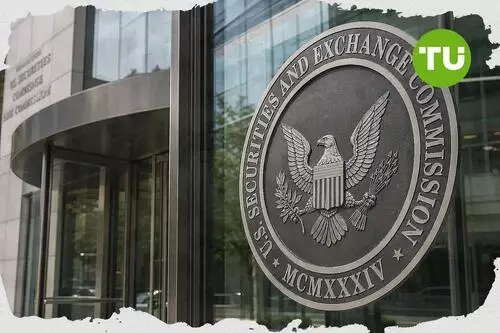
As reported by Financial Times, the Securities and Exchange Commission is considering a more principles-based approach to executive pay disclosure that would reduce the volume of information companies must publish in annual filings.The regulator's ideas include limiting mandatory pay data to the chief executive officer and chief financial officer, removing some standard disclosure tables and easing requirements for reporting perks such as private jet use and security costs. SEC chair Paul Atkins says the changes would help support more stock market listings.
There is an argument for cutting back dense disclosures if the remaining information becomes more useful to shareholders. Yet support for executive pay remains strong at annual meetings, with more than 90 per cent of shareholders on average backing compensation proposals, according to Semler Brossy, and failed votes at companies such as Disney and General Electric have been nonbinding.
Market implications as pay keeps climbing
The central question is which elements of executive compensation investors need most in order to assess incentives and oversight. Chief executive pay remains a core issue even at very large companies, where large awards can still look small relative to market value, as shown by Jamie Dimon's $43 million 2025 pay package against JPMorgan's roughly $850 billion market capitalisation.Other benefits remain more contested. Executives including Meta Platforms' Mark Zuckerberg and Salesforce's Marc Benioff receive millions of dollars in personal security, and some companies argue those costs are now integral to the role and should not require disclosure. That position contrasts with past enforcement, including the SEC's 2020 accusation that insurer Argo failed to disclose more than $5 million in perks for its chief executive, including tickets to New York's Met Gala.
The case that lighter disclosure rules would materially increase the number of companies going public appears weak. A bigger concern for investors is that transparency over how executives are rewarded could diminish just as market conditions become less supportive and shareholders begin to scrutinise incentives more closely.
As we previously wrote, the SEC proposed Consolidated Audit Trail reforms to shift oversight to the agency and revise funding.









-
 Afghanistan
-
 Albania
-
 Algeria
-
 Angola
-
 Argentina
-
 Armenia
-
 Australia
-
 Austria
-
 Azerbaijan
-
 Bahamas
-
 Bahrain
-
 Bangladesh
-
 Belarus
-
 Belgium
-
 Bolivia
-
 Botswana
-
 Brazil
-
 Brunei
-
 Bulgaria
-
 Cambodia
-
 Cameroon
-
 Canada
-
 Chile
-
 China
-
 Colombia
-
 Congo
-
 Costa Rica
-
 Cote d'Ivoire
-
 Croatia
-
 Cuba
-
 Cyprus
-
 Czechia
-
 DR Congo
-
 Denmark
-
 Dominican Republic
-
 Ecuador
-
 Egypt
-
 El Salvador
-
 Estonia
-
 Eswatini
-
 Ethiopia
-
 Finland
-
 France
-
 Georgia
-
 Germany
-
 Ghana
-
 Greece
-
 Haiti
-
 Hong Kong
-
 Hungary
-
 India
-
 Indonesia
-
 Iran, Islamic republic
-
 Iraq
-
 Ireland
-
 Israel
-
 Italy
-
 Jamaica
-
 Japan
-
 Jordan
-
 Kazakhstan
-
 Kenya
-
 Korea
-
 Kuwait
-
 Kyrgyzstan
-
 Laos
-
 Latvia
-
 Lebanon
-
 Lesotho
-
 Libya
-
 Lithuania
-
 Luxembourg
-
 Madagascar
-
 Malaysia
-
 Malta
-
 Mauritius
-
 Mexico
-
 Moldova
-
 Mongolia
-
 Montenegro
-
 Morocco
-
 Mozambique
-
 Myanmar
-
 Namibia
-
 Nepal
-
 Netherlands
-
 New Zealand
-
 Nigeria
-
 North Macedonia
-
 Norway
-
 Oman
-
 Pakistan
-
 Palestine
-
 Panama
-
 Papua New Guinea
-
 Paraguay
-
 Peru
-
 Philippines
-
 Poland
-
 Portugal
-
 Puerto Rico
-
 Qatar
-
 Reunion
-
 Romania
-
 Rwanda
-
 Saudi Arabia
-
 Serbia
-
 Singapore
-
 Slovakia
-
 Slovenia
-
 Somalia
-
 South Africa
-
 Spain
-
 Sri Lanka
-
 Sweden
-
 Switzerland
-
 Syria
-
 Taiwan
-
 Tajikistan
-
 Tanzania
-
 Thailand
-
 Trinidad and Tobago
-
 Tunisia
-
 Turkey
-
 UAE
-
 Uganda
-
 Ukraine
-
 United Kingdom
-
United States
-
 Uruguay
-
 Uzbekistan
-
 Venezuela
-
 Vietnam
-
 Yemen
-
 Zambia
-
 Zimbabwe
- Forex
- Crypto












