

Philippines urged to build transparent carbon market framework

The Philippines is being urged to tighten the policy foundations of its emerging carbon market as lawmakers weigh measures tied to the country’s low-carbon transition. The recommendations focus on transparent rules, phased carbon pricing and stronger safeguards for workers, communities and Indigenous Peoples affected by new projects.
Highlights
- IISD urges the Philippines to establish transparent carbon market institutions and robust emissions reporting before introducing carbon pricing to attract private investment.
- Emissions trading systems cover 25% of global greenhouse gas emissions, generating a record $80 billion in revenue in 2025, with the Philippines aiming to reduce and avoid 75% of projected emissions from 2025 to 2035.
- Recent Philippine initiatives include a voluntary forest carbon market roadmap, an Article 6 agreement with Singapore, and the third NDC submission targeting a raised unconditional reduction to 7%.
Policy design and market credibility
As reported by BusinessWorld Online, the International Institute for Sustainable Development says the Philippines should establish credible and transparent institutions to attract private investment into carbon pricing and carbon projects.Philip Gass, director of the IISD Energy Program, tells a joint hearing of the House Committee on Climate Change and the Committee on Sustainable Development Goals that the country can build on existing laws and institutions as it develops a carbon pricing system. He says the process should begin with emissions reporting before a carbon price is introduced, giving companies and regulators time to put reliable monitoring, reporting and verification systems in place.
Gass says monitoring and verification standards should be aligned with the size of emitters, while carbon credit rules need to ensure that claimed emissions reductions are real and verifiable. He adds that domestic carbon pricing can help the government raise funds for climate programs at a time when international climate finance is under pressure.
Mary Grace Gabis-Reyes, a senior policy advisor at IISD, says emissions trading systems now cover about 25% of global greenhouse gas emissions and generate a record $80 billion in revenue in 2025. She points to regional developments including Japan’s move toward a mandatory emissions trading system and Vietnam’s pilot market.
Transition risks and community safeguards
For the Philippines, IISD says carbon market expansion needs to be paired with inclusive policymaking so public support is sustained and the economic shift does not disproportionately hurt vulnerable groups.Gabis-Reyes says the government already takes steps to develop the market through a voluntary forest carbon market roadmap adopted in February, an Article 6 agreement with Singapore in April, the submission of the country’s third Nationally Determined Contribution in September, and Executive Order No. 127 in October. She says the third NDC keeps the target of reducing and avoiding 75% of projected greenhouse gas emissions from 2025 to 2035, while lifting the unconditional component to 7% from 2.71%.
Francesse Joy Cordon-Navarro, IISD lead for carbon pricing and Philippine energy transition, says carbon projects should include explicit safeguards for communities, especially Indigenous Peoples whose ancestral domains may be affected. She says free, prior and informed consent must be meaningful and secured early, while benefit-sharing agreements should clearly define eligibility, payment amounts, timing and remedies if project developers fail to meet commitments.
Lorelei S. Astrera, also a senior policy advisor at IISD, says the transition can affect household energy and transport costs, local businesses and access to essential services. She says policymakers should anticipate uneven local impacts, protect vulnerable households and give affected groups a voice in decisions on how carbon revenues are used.
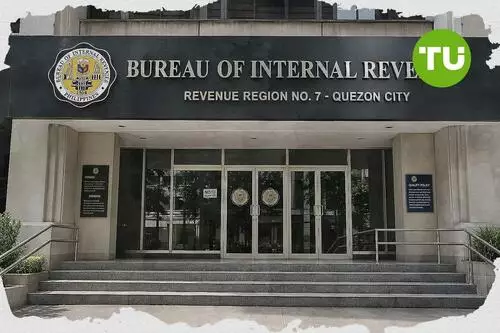
In earlier coverage, we examined calls to tighten oversight through stricter budget controls tied to unresolved audit findings in Philippine agencies.






Latest Philippines News




-
 Afghanistan
-
 Albania
-
 Algeria
-
 Angola
-
 Argentina
-
 Armenia
-
 Australia
-
 Austria
-
 Azerbaijan
-
 Bahamas
-
 Bahrain
-
 Bangladesh
-
 Belarus
-
 Belgium
-
 Bolivia
-
 Botswana
-
 Brazil
-
 Brunei
-
 Bulgaria
-
 Cambodia
-
 Cameroon
-
 Canada
-
 Chile
-
 China
-
 Colombia
-
 Congo
-
 Costa Rica
-
 Cote d'Ivoire
-
 Croatia
-
 Cuba
-
 Cyprus
-
 Czechia
-
 DR Congo
-
 Denmark
-
 Dominican Republic
-
 Ecuador
-
 Egypt
-
 El Salvador
-
 Estonia
-
 Eswatini
-
 Ethiopia
-
 Finland
-
 France
-
 Georgia
-
 Germany
-
 Ghana
-
 Greece
-
 Haiti
-
 Hong Kong
-
 Hungary
-
 India
-
 Indonesia
-
 Iran, Islamic republic
-
 Iraq
-
 Ireland
-
 Israel
-
 Italy
-
 Jamaica
-
 Japan
-
 Jordan
-
 Kazakhstan
-
 Kenya
-
 Korea
-
 Kuwait
-
 Kyrgyzstan
-
 Laos
-
 Latvia
-
 Lebanon
-
 Lesotho
-
 Libya
-
 Lithuania
-
 Luxembourg
-
 Madagascar
-
 Malaysia
-
 Malta
-
 Mauritius
-
 Mexico
-
 Moldova
-
 Mongolia
-
 Montenegro
-
 Morocco
-
 Mozambique
-
 Myanmar
-
 Namibia
-
 Nepal
-
 Netherlands
-
 New Zealand
-
 Nigeria
-
 North Macedonia
-
 Norway
-
 Oman
-
 Pakistan
-
 Palestine
-
 Panama
-
 Papua New Guinea
-
 Paraguay
-
 Peru
-
 Philippines
-
 Poland
-
 Portugal
-
 Puerto Rico
-
 Qatar
-
 Reunion
-
 Romania
-
 Rwanda
-
 Saudi Arabia
-
 Serbia
-
 Singapore
-
 Slovakia
-
 Slovenia
-
 Somalia
-
 South Africa
-
 Spain
-
 Sri Lanka
-
 Sweden
-
 Switzerland
-
 Syria
-
 Taiwan
-
 Tajikistan
-
 Tanzania
-
 Thailand
-
 Trinidad and Tobago
-
 Tunisia
-
 Turkey
-
 UAE
-
 Uganda
-
 Ukraine
-
 United Kingdom
-
United States
-
 Uruguay
-
 Uzbekistan
-
 Venezuela
-
 Vietnam
-
 Yemen
-
 Zambia
-
 Zimbabwe
- Forex
- Crypto












