

Philippine agencies face calls for budget curbs over repeated audit lapses

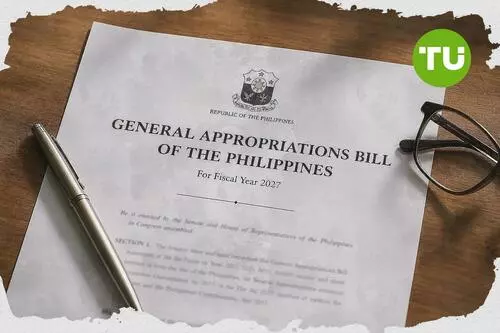
As annual budget deliberations continue in the Philippines, political analysts are urging tighter scrutiny of government agencies that repeatedly fail to resolve audit findings. They say linking compliance with Commission on Audit recommendations to future budget approvals could strengthen accountability and improve the use of public funds.
Highlights
- Government agencies with unresolved audit findings may face stricter budget review and conditional freezes on new project funding under proposed 'no compliance, no expansion' rules.
- Recurring audit lapses highlight weaknesses in agencies' planning and financial management, risking service delivery delays and inefficient use of public funds.
- Analysts urge deadlines, stronger monitoring, and sanctions for repeated noncompliance, emphasizing that persistent audit issues undermine accountability regardless of intent.
Proposed budget rules tied to audit compliance
As reported by BusinessWorld Online, political analysts say government agencies with recurring unresolved audit findings should face stricter budget review and possible limits on funding for new projects.Dennis C. Coronacion, chairman of the University of Santo Tomas Political Science Department, proposes a "no compliance, no expansion" rule during annual budget hearings. Under that approach, the Department of Budget and Management and Congress would require agencies to address past Commission on Audit findings before granting higher budgets or additional project funding.
He says agencies with unimplemented audit recommendations, unliquidated cash advances, or weak budget utilization should be subject to tighter scrutiny or conditional freezes on new project funds until deficiencies are corrected. In his view, repeated findings show that some agencies treat internal controls as paperwork requirements rather than practical safeguards against misuse or inefficient management of public money.
Accountability concerns and service delivery risks
Ederson DT. Tapia, a political science professor at the University of Makati, says recurring audit findings point to broader weaknesses in how agencies plan, manage and spend public funds. He adds that having budgeting, procurement, accounting and auditing systems in place does not automatically mean agencies can make them work as intended.Tapia says unused appropriations and delayed projects can postpone government assistance and services for intended beneficiaries. He argues that public spending should be assessed not only by how much is allocated or disbursed, but also by what the public actually receives from that expenditure.
He notes that some agencies lack the personnel, technical expertise and administrative systems needed to comply with complex financial management and procurement requirements. At the same time, he warns against blaming every deficiency on limited capacity, especially when agencies continue to receive the same findings after being told how to fix them.
Tapia also cautions against treating every audit observation as proof of corruption, saying a finding alone does not establish wrongdoing. Still, he says repeated noncompliance without adequate justification raises accountability concerns, and he calls for deadlines, regular monitoring, stronger administrative capacity and sanctions, subject to due process, when negligence leads to repeated violations.
Earlier, we reported on GAO report detailing ICE detention spending and oversight risks tied to unused capacity and limited analysis.






Latest Philippines News




-
 Afghanistan
-
 Albania
-
 Algeria
-
 Angola
-
 Argentina
-
 Armenia
-
 Australia
-
 Austria
-
 Azerbaijan
-
 Bahamas
-
 Bahrain
-
 Bangladesh
-
 Belarus
-
 Belgium
-
 Bolivia
-
 Botswana
-
 Brazil
-
 Brunei
-
 Bulgaria
-
 Cambodia
-
 Cameroon
-
 Canada
-
 Chile
-
 China
-
 Colombia
-
 Congo
-
 Costa Rica
-
 Cote d'Ivoire
-
 Croatia
-
 Cuba
-
 Cyprus
-
 Czechia
-
 DR Congo
-
 Denmark
-
 Dominican Republic
-
 Ecuador
-
 Egypt
-
 El Salvador
-
 Estonia
-
 Eswatini
-
 Ethiopia
-
 Finland
-
 France
-
 Georgia
-
 Germany
-
 Ghana
-
 Greece
-
 Haiti
-
 Hong Kong
-
 Hungary
-
 India
-
 Indonesia
-
 Iran, Islamic republic
-
 Iraq
-
 Ireland
-
 Israel
-
 Italy
-
 Jamaica
-
 Japan
-
 Jordan
-
 Kazakhstan
-
 Kenya
-
 Korea
-
 Kuwait
-
 Kyrgyzstan
-
 Laos
-
 Latvia
-
 Lebanon
-
 Lesotho
-
 Libya
-
 Lithuania
-
 Luxembourg
-
 Madagascar
-
 Malaysia
-
 Malta
-
 Mauritius
-
 Mexico
-
 Moldova
-
 Mongolia
-
 Montenegro
-
 Morocco
-
 Mozambique
-
 Myanmar
-
 Namibia
-
 Nepal
-
 Netherlands
-
 New Zealand
-
 Nigeria
-
 North Macedonia
-
 Norway
-
 Oman
-
 Pakistan
-
 Palestine
-
 Panama
-
 Papua New Guinea
-
 Paraguay
-
 Peru
-
 Philippines
-
 Poland
-
 Portugal
-
 Puerto Rico
-
 Qatar
-
 Reunion
-
 Romania
-
 Rwanda
-
 Saudi Arabia
-
 Serbia
-
 Singapore
-
 Slovakia
-
 Slovenia
-
 Somalia
-
 South Africa
-
 Spain
-
 Sri Lanka
-
 Sweden
-
 Switzerland
-
 Syria
-
 Taiwan
-
 Tajikistan
-
 Tanzania
-
 Thailand
-
 Trinidad and Tobago
-
 Tunisia
-
 Turkey
-
 UAE
-
 Uganda
-
 Ukraine
-
 United Kingdom
-
United States
-
 Uruguay
-
 Uzbekistan
-
 Venezuela
-
 Vietnam
-
 Yemen
-
 Zambia
-
 Zimbabwe
- Forex
- Crypto












