

Anthropic’s record IPO faces new questions as stabilization support disappears

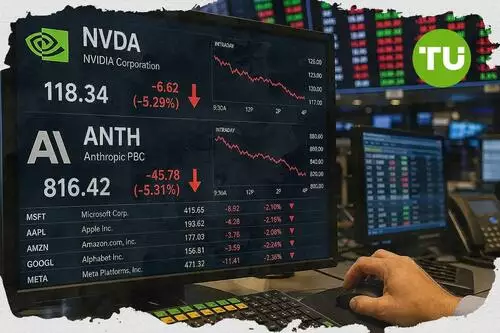
Anthropic’s record IPO is drawing fresh scrutiny after underwriters exercised the full greenshoe option unusually early. The move boosted fundraising to $93.5B but may have removed a key source of price support as ANT slid back toward its $83 IPO level.
Morgan Stanley faces questions over early greenshoe exercise
The investment banks behind Anthropic’s IPO are facing questions over how quickly they exercised the greenshoe option. According to the Financial Times, the underwriters fully used their right to purchase additional shares after just the first day of trading, even as volatility across the technology sector was intensifying.
Anthropic’s official announcement shows that Morgan Stanley, acting as stabilization agent for the offering, exercised the option to purchase an additional 147 million shares at $83 each. The transaction generated roughly $12.2 billion and increased the gross size of the public offering to $93.5 billion. Anthropic itself received approximately $91.6 billion before expenses.
Early greenshoe exercise removes a key source of stock support
A greenshoe allows underwriters to sell additional shares and later close the resulting short position in one of two ways: by purchasing shares directly from the issuer at the IPO price or by buying them back in the open market. The second approach creates additional demand and can help support the stock if the price falls.
Banks usually have up to 30 days to use this mechanism. Morgan Stanley, however, closed the position almost immediately, giving up the option of supporting Anthropic shares through open-market purchases to cover the remaining overallotment. Reuters noted that the unusually early completion of the stabilization process raised questions among market participants.
SEC filings also show that the banks did not receive additional underwriting fees for shares purchased through the greenshoe. It would therefore be misleading to attribute the decision solely to a direct fee incentive.
Anthropic stock retreats toward its $83 IPO price
Questions surrounding the banks’ decision have intensified as ANT has moved closer to its offering price. On its first trading day, November 19, Anthropic shares closed at $97.17, roughly 17% above the IPO price. By November 20, however, the stock had fallen 8.5% to $88.91, moving closer to the original $83 level.
The Financial Times suggested that the underwriters could have preserved more flexibility to stabilize the stock, given Anthropic’s high valuation, the significant expansion of the offering and the deterioration in broader market conditions.
Still, early exercise of a greenshoe does not in itself indicate any breach of the rules. When shares trade above the offering price, exercising the option is common practice. The main question is whether doing so so quickly was the right decision as the broader selloff was beginning to accelerate.
Record fundraising comes at a cost to market stability
Anthropic’s IPO highlights a tension between the interests of a company seeking to maximize the amount of capital raised and those of investors looking for greater stability after the listing. The additional $12.2 billion strengthened the financial position of the Claude developer, but one potential source of demand for its shares also disappeared.
As Traders Union previously explained in its coverage of U.S. IPO mechanics, the greenshoe can play an important role in stabilizing post-listing trading, particularly during periods of elevated volatility. Restrictions on share sales by early investors and employees can also have a significant impact on subsequent price action.
These issues are especially important for Anthropic. The company entered public markets just as investors were reassessing AI valuations and questioning the returns on massive technology investment. ANT’s next moves will therefore depend not only on the company’s own financial prospects, but also on how quickly the broader market can recover from its current crisis of confidence.






Latest Anthropic News




-
 Afghanistan
-
 Albania
-
 Algeria
-
 Angola
-
 Argentina
-
 Armenia
-
 Australia
-
 Austria
-
 Azerbaijan
-
 Bahamas
-
 Bahrain
-
 Bangladesh
-
 Belarus
-
 Belgium
-
 Bolivia
-
 Botswana
-
 Brazil
-
 Brunei
-
 Bulgaria
-
 Cambodia
-
 Cameroon
-
 Canada
-
 Chile
-
 China
-
 Colombia
-
 Congo
-
 Costa Rica
-
 Cote d'Ivoire
-
 Croatia
-
 Cuba
-
 Cyprus
-
 Czechia
-
 DR Congo
-
 Denmark
-
 Dominican Republic
-
 Ecuador
-
 Egypt
-
 El Salvador
-
 Estonia
-
 Eswatini
-
 Ethiopia
-
 Finland
-
 France
-
 Georgia
-
 Germany
-
 Ghana
-
 Greece
-
 Haiti
-
 Hong Kong
-
 Hungary
-
 India
-
 Indonesia
-
 Iran, Islamic republic
-
 Iraq
-
 Ireland
-
 Israel
-
 Italy
-
 Jamaica
-
 Japan
-
 Jordan
-
 Kazakhstan
-
 Kenya
-
 Korea
-
 Kuwait
-
 Kyrgyzstan
-
 Laos
-
 Latvia
-
 Lebanon
-
 Lesotho
-
 Libya
-
 Lithuania
-
 Luxembourg
-
 Madagascar
-
 Malaysia
-
 Malta
-
 Mauritius
-
 Mexico
-
 Moldova
-
 Mongolia
-
 Montenegro
-
 Morocco
-
 Mozambique
-
 Myanmar
-
 Namibia
-
 Nepal
-
 Netherlands
-
 New Zealand
-
 Nigeria
-
 North Macedonia
-
 Norway
-
 Oman
-
 Pakistan
-
 Palestine
-
 Panama
-
 Papua New Guinea
-
 Paraguay
-
 Peru
-
 Philippines
-
 Poland
-
 Portugal
-
 Puerto Rico
-
 Qatar
-
 Reunion
-
 Romania
-
 Rwanda
-
 Saudi Arabia
-
 Serbia
-
 Singapore
-
 Slovakia
-
 Slovenia
-
 Somalia
-
 South Africa
-
 Spain
-
 Sri Lanka
-
 Sweden
-
 Switzerland
-
 Syria
-
 Taiwan
-
 Tajikistan
-
 Tanzania
-
 Thailand
-
 Trinidad and Tobago
-
 Tunisia
-
 Turkey
-
 UAE
-
 Uganda
-
 Ukraine
-
 United Kingdom
-
United States
-
 Uruguay
-
 Uzbekistan
-
 Venezuela
-
 Vietnam
-
 Yemen
-
 Zambia
-
 Zimbabwe
- Forex
- Crypto












