

Iran offers to restore shipping through Strait of Hormuz if U.S. accepts its demands

Iran said Monday it could move quickly to restore security in the Strait of Hormuz if Washington meets Tehran's conditions, raising the possibility of reopening a critical oil shipping route. The statement came as Iran challenged the U.S. naval blockade, and regional mediators continued efforts to resolve the confrontation.
Highlights
- Iran offers a rapid Hormuz reopening if US conditions are met.
- Tehran opposes the U.S. blockade as mediation continues.
- Brent falls 0.76%, while WTI slips 0.81%.
Foreign Ministry spokesman Esmaeil Baghaei said Iran could act quickly if Washington met Tehran's demands, but stopped short of confirming that the waterway could reopen within two hours. Tehran's willingness to restore access depends on Washington fulfilling its obligations, according to Middle East Eye.
Iran links reopening to U.S. compliance
Baghaei said Iran remained prepared to honor its commitments but would not abandon what it considers its national rights. Tehran has not publicly outlined the specific steps Washington must take before Iran would move to restore normal shipping through the strait.
Iran also reiterated its opposition to the U.S. naval blockade, describing the restrictions as military aggression. American forces have tightened enforcement in recent weeks, warning vessels involved in ship-to-ship transfers of Iranian cargo that they could face military action. Iranian officials maintain that the country has the right to defend itself against the blockade under Article 51 of the UN Charter.
Diplomatic efforts continue amid military tensions
Pakistan and Qatar are continuing mediation efforts despite disagreements between Washington and Tehran. Baghaei criticized the U.S. approach to negotiations, arguing that meaningful diplomacy requires recognition of the other side's rights. Neither side has announced a breakthrough, leaving the timing of any potential reopening uncertain.
The blockade remains a central obstacle to progress, with Tehran demanding that Washington respect its commitments while U.S. forces continue restricting maritime activity linked to Iranian cargo. The confrontation is unfolding alongside renewed hostilities between Saudi Arabia and Yemen's Houthi movement, adding to concerns about regional shipping security.
Oil prices decline despite uncertainty over Hormuz
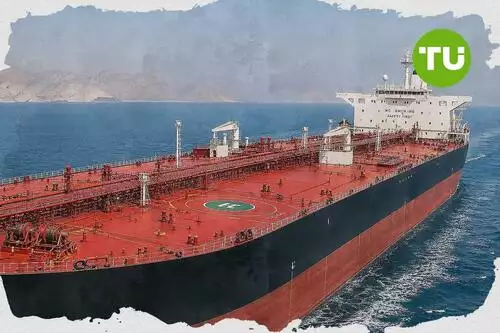
The Strait of Hormuz is a critical passage for crude oil exports from the Persian Gulf, making restrictions on tanker movements a significant concern for energy markets. A reopening would reduce the risk of prolonged disruptions to commercial shipping, although the U.S. blockade and unresolved negotiations continue to cloud the outlook for oil shipments.
Oil prices declined despite the uncertainty. Brent crude fell 0.76% to $91.88 a barrel, while West Texas Intermediate dropped 0.81% to $82.93 a barrel. Any agreement that restores shipping through Hormuz could ease supply concerns, while further confrontation would leave oil markets exposed to renewed disruption.
We also reported U.S. officials warn Iran blockade could drive premiums higher.






Latest Iran war News




-
 Afghanistan
-
 Albania
-
 Algeria
-
 Angola
-
 Argentina
-
 Armenia
-
 Australia
-
 Austria
-
 Azerbaijan
-
 Bahamas
-
 Bahrain
-
 Bangladesh
-
 Belarus
-
 Belgium
-
 Bolivia
-
 Botswana
-
 Brazil
-
 Brunei
-
 Bulgaria
-
 Cambodia
-
 Cameroon
-
 Canada
-
 Chile
-
 China
-
 Colombia
-
 Congo
-
 Costa Rica
-
 Cote d'Ivoire
-
 Croatia
-
 Cuba
-
 Cyprus
-
 Czechia
-
 DR Congo
-
 Denmark
-
 Dominican Republic
-
 Ecuador
-
 Egypt
-
 El Salvador
-
 Estonia
-
 Eswatini
-
 Ethiopia
-
 Finland
-
 France
-
 Georgia
-
 Germany
-
 Ghana
-
 Greece
-
 Haiti
-
 Hong Kong
-
 Hungary
-
 India
-
 Indonesia
-
 Iran, Islamic republic
-
 Iraq
-
 Ireland
-
 Israel
-
 Italy
-
 Jamaica
-
 Japan
-
 Jordan
-
 Kazakhstan
-
 Kenya
-
 Korea
-
 Kuwait
-
 Kyrgyzstan
-
 Laos
-
 Latvia
-
 Lebanon
-
 Lesotho
-
 Libya
-
 Lithuania
-
 Luxembourg
-
 Madagascar
-
 Malaysia
-
 Malta
-
 Mauritius
-
 Mexico
-
 Moldova
-
 Mongolia
-
 Montenegro
-
 Morocco
-
 Mozambique
-
 Myanmar
-
 Namibia
-
 Nepal
-
 Netherlands
-
 New Zealand
-
 Nigeria
-
 North Macedonia
-
 Norway
-
 Oman
-
 Pakistan
-
 Palestine
-
 Panama
-
 Papua New Guinea
-
 Paraguay
-
 Peru
-
 Philippines
-
 Poland
-
 Portugal
-
 Puerto Rico
-
 Qatar
-
 Reunion
-
 Romania
-
 Rwanda
-
 Saudi Arabia
-
 Serbia
-
 Singapore
-
 Slovakia
-
 Slovenia
-
 Somalia
-
 South Africa
-
 Spain
-
 Sri Lanka
-
 Sweden
-
 Switzerland
-
 Syria
-
 Taiwan
-
 Tajikistan
-
 Tanzania
-
 Thailand
-
 Trinidad and Tobago
-
 Tunisia
-
 Turkey
-
 UAE
-
 Uganda
-
 Ukraine
-
 United Kingdom
-
United States
-
 Uruguay
-
 Uzbekistan
-
 Venezuela
-
 Vietnam
-
 Yemen
-
 Zambia
-
 Zimbabwe
- Forex
- Crypto












