


AI infrastructure costs are climbing sharply as server vendors seek higher payments on existing orders and memory prices surge. The increase is squeezing margins for data-center operators and raising fresh questions about the returns on massive AI investment.
Dell, HPE and rivals seek higher payments on existing orders
Some of the major server vendors such as Dell, Hewlett Packard Enterprise (HPE), Lenovo, and Supermicro have asked their clients to make extra payments amounting to between 25-45% above what was agreed in the contract. The Financial Times reports that these price increases are being implemented just before delivering the servers fitted with Nvidia accelerators among others.
Buyers are left with a difficult choice: absorb the extra cost or risk delaying the deployment of new computing capacity. Contract terms vary, however, and it remains unclear how broadly suppliers are entitled to revise previously agreed prices.
Memory price surge drives unprecedented hardware inflation
The main source of pressure is the rapid increase in memory costs. JPMorgan estimates cited by the FT show that memory component prices have risen by more than 400% since the start of 2024. One industry participant told the newspaper that GPU server prices had increased by at least 20–30%, while some memory-heavy CPU server nodes had become three times more expensive or more.
Supply constraints are also persisting into the current quarter. TrendForce research projected contract prices for DRAM to rise 10–15% in the fourth quarter of 2026, while NAND Flash prices were expected to increase 15–20%. Memory manufacturers continue to prioritize the server segment, where strong AI infrastructure demand is limiting available supply.
Dell faces $70 million dispute as trading firms absorb higher costs
The increase in hardware expenses is particularly significant for financial firms that rely on their own computing infrastructure for research and trading strategies. The FT identified Jane Street, Optiver and Hudson River Trading among the affected buyers.
The scale of the issue has already led to litigation. In June, XTX Markets filed a lawsuit against Dell in Ireland, claiming that the supplier was asking for extra charges of $62-70 million above the agreed amount of $549 million for the purchase of servers. In addition, XTX claimed that it had already paid $5 million for a price protection guarantee.
Supplier policies vary; HPE, for example, offered fixed-price guarantees in August for some categories of orders below $1 million. The problem with big hardware orders, however, is still unresolved.
Rising infrastructure costs raise questions over AI investment returns
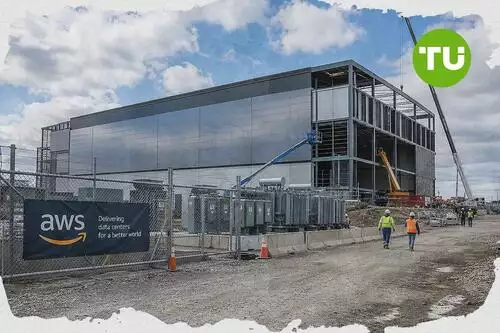
The effects could reach far beyond the specific supplier conflicts. For those running data centers and neocloud companies expanding their businesses through loans and long-term agreements with customers, sudden surges in server prices can reduce margins, increase capital requirements, and prolong project payback times.
Servers are also only one of several cost pressures. As Traders Union previously noted, Turner & Townsend expects the cost of building large data centers in the United States to rise 13% in 2026 compared with the previous year. Limited power availability, labor shortages and delays in grid connections are adding further pressure.
The AI industry is therefore facing a growing contradiction: strong demand for computing capacity continues to support massive investment, while making that infrastructure increasingly expensive to build. For companies locked into fixed customer contracts, this raises the risk that actual project costs will end up far above initial estimates, reducing the returns originally expected from those investments.










-
 Afghanistan
-
 Albania
-
 Algeria
-
 Angola
-
 Argentina
-
 Armenia
-
 Australia
-
 Austria
-
 Azerbaijan
-
 Bahamas
-
 Bahrain
-
 Bangladesh
-
 Belarus
-
 Belgium
-
 Bolivia
-
 Botswana
-
 Brazil
-
 Brunei
-
 Bulgaria
-
 Cambodia
-
 Cameroon
-
 Canada
-
 Chile
-
 China
-
 Colombia
-
 Congo
-
 Costa Rica
-
 Cote d'Ivoire
-
 Croatia
-
 Cuba
-
 Cyprus
-
 Czechia
-
 DR Congo
-
 Denmark
-
 Dominican Republic
-
 Ecuador
-
 Egypt
-
 El Salvador
-
 Estonia
-
 Eswatini
-
 Ethiopia
-
 Finland
-
 France
-
 Georgia
-
 Germany
-
 Ghana
-
 Greece
-
 Haiti
-
 Hong Kong
-
 Hungary
-
 India
-
 Indonesia
-
 Iran, Islamic republic
-
 Iraq
-
 Ireland
-
 Israel
-
 Italy
-
 Jamaica
-
 Japan
-
 Jordan
-
 Kazakhstan
-
 Kenya
-
 Korea
-
 Kuwait
-
 Kyrgyzstan
-
 Laos
-
 Latvia
-
 Lebanon
-
 Lesotho
-
 Libya
-
 Lithuania
-
 Luxembourg
-
 Madagascar
-
 Malaysia
-
 Malta
-
 Mauritius
-
 Mexico
-
 Moldova
-
 Mongolia
-
 Montenegro
-
 Morocco
-
 Mozambique
-
 Myanmar
-
 Namibia
-
 Nepal
-
 Netherlands
-
 New Zealand
-
 Nigeria
-
 North Macedonia
-
 Norway
-
 Oman
-
 Pakistan
-
 Palestine
-
 Panama
-
 Papua New Guinea
-
 Paraguay
-
 Peru
-
 Philippines
-
 Poland
-
 Portugal
-
 Puerto Rico
-
 Qatar
-
 Reunion
-
 Romania
-
 Rwanda
-
 Saudi Arabia
-
 Serbia
-
 Singapore
-
 Slovakia
-
 Slovenia
-
 Somalia
-
 South Africa
-
 Spain
-
 Sri Lanka
-
 Sweden
-
 Switzerland
-
 Syria
-
 Taiwan
-
 Tajikistan
-
 Tanzania
-
 Thailand
-
 Trinidad and Tobago
-
 Tunisia
-
 Turkey
-
 UAE
-
 Uganda
-
 Ukraine
-
 United Kingdom
-
United States
-
 Uruguay
-
 Uzbekistan
-
 Venezuela
-
 Vietnam
-
 Yemen
-
 Zambia
-
 Zimbabwe
- Forex
- Crypto












