
Google agrees to buy output from Arkansas solar project as U.S. data center power demand rises
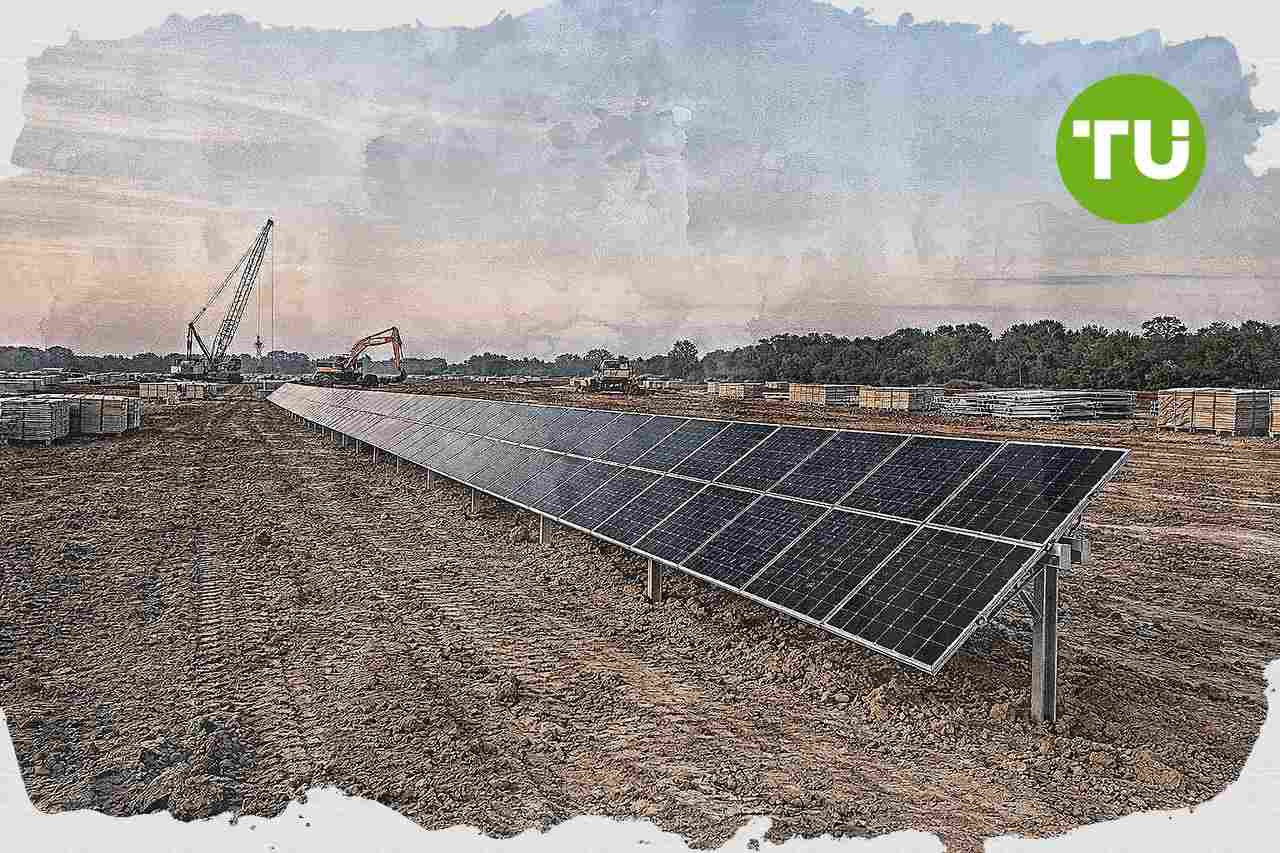
Growing electricity use from data centers is driving tech companies to lock in large renewable energy agreements even as U.S. policy support for solar weakens. Google has agreed to take the initial output of the Steel River Energy Center in Arkansas when the project starts operating in 2029, giving backing to one of the biggest new solar and storage developments in the country.
Highlights
- Google signed a virtual power purchase agreement for 100% of initial output from Arkansas's Steel River Energy Center, delivering 1.6GW solar and 2GWh battery storage by 2029.
- Google's electricity use surged 37% in 2025 and, alongside other Big Tech firms, drove 49% of corporate clean power deals that year, intensifying demand for renewable projects.
- Steel River will use 100% domestically sourced First Solar panels, Arkansas steel, and LG Phoenix batteries, reflecting developers' response to stricter tax credit and supply chain constraints.
Arkansas solar deal supports large-scale buildout
As reported by Financial Times, Google has signed a virtual power purchase agreement for 100 per cent of the initial output from the Steel River Energy Center, a solar and battery project being developed in Arkansas by Cypress Creek Energy. Financial terms were not disclosed, and the arrangement means Google pays a fixed price for the electricity without directly receiving the power.The project is breaking ground as the largest of its kind in the U.S. and is set to deliver 1.6 gigawatts of solar power and 2 gigawatt hours of battery storage when it becomes operational in 2029. After full completion, Steel River is expected to reach 2.5GW of solar capacity and 2.9GWh of storage, enough in its initial phase to power more than 315,000 homes each year.
Google says the agreement helps offset fossil fuel emissions tied to its power use, even though its data centers still depend on the grid for uninterrupted electricity. Will Conkling, Google’s head of data centre energy, says the investment supports the wider grid and extends benefits from the local power plant to customers across Arkansas.
The model remains contentious because companies can continue drawing electricity from grids that still include natural gas, coal and other sources while separately paying for clean generation elsewhere or at different times. The Environmental and Energy Study Institute says about 56 per cent of the electricity used to power U.S. data centers comes from fossil fuels.
Policy pressure and supply chain constraints shape market impact
Google’s deal arrives as renewable developers face a tougher policy backdrop under President Donald Trump, whose administration is trying to end tax credits and delay or block projects. Cypress Creek Energy describes the agreement as a rare bright spot for the U.S. solar sector, where long-term revenue commitments remain essential for securing financing and moving projects forward.Demand from large technology groups is helping sustain that pipeline. Google says its electricity use jumped 37 per cent in 2025, while Microsoft’s rose 24 per cent, and BloombergNEF says Google, Meta, Amazon and Microsoft accounted for 49 per cent of all corporate clean power deals in the same year. In its 2026 environmental report, Google says its climate goals are becoming harder to achieve as power needs expand.
Cypress Creek chief executive Kevin Smith says large projects such as Steel River are increasingly aimed at serving Big Tech customers with rapidly growing energy requirements. The Energy Information Administration says total U.S. electricity demand is set to grow between 25 per cent and 50 per cent by 2050, while solar and storage are expected to account for 58 per cent of new power installations from 2026 to 2030 because they are relatively fast and cheap to build.
The project is also emphasizing domestic sourcing at a time when access to financing is increasingly tied to retaining tax credits and reducing dependence on China-linked supply chains. First Solar is supplying panels it says use 100 per cent domestic materials, steel is being sourced in Arkansas, and batteries are coming from LG’s plant in Phoenix, as developers adapt to rules limiting equipment costs tied to proscribed foreign entities.
In our earlier report on the House Energy and Commerce Committee’s mid-July agenda, we outlined upcoming subcommittee markups and hearings covering energy reliability, environmental regulation, and public health. We noted that lawmakers were set to advance bills aimed at strengthening nuclear power reliability and revisiting recycling and regulatory measures—policy moves that can influence the broader investment backdrop for U.S. energy projects.






-
 Afghanistan
-
 Albania
-
 Algeria
-
 Angola
-
 Argentina
-
 Armenia
-
 Australia
-
 Austria
-
 Azerbaijan
-
 Bahamas
-
 Bahrain
-
 Bangladesh
-
 Belarus
-
 Belgium
-
 Bolivia
-
 Botswana
-
 Brazil
-
 Brunei
-
 Bulgaria
-
 Cambodia
-
 Cameroon
-
 Canada
-
 Chile
Chile
-
 China
China
-
 Colombia
-
 Congo
Congo
-
 Costa Rica
-
 Cote d'Ivoire
-
 Croatia
-
 Cuba
Cuba
-
 Cyprus
-
 Czechia
-
 DR Congo
-
 Denmark
-
 Dominican Republic
-
 Ecuador
-
 Egypt
Egypt
-
 El Salvador
-
 Estonia
-
 Eswatini
-
 Ethiopia
-
 Finland
-
 France
-
 Georgia
-
 Germany
-
 Ghana
Ghana
-
 Greece
-
 Haiti
Haiti
-
 Hong Kong
-
 Hungary
-
 India
India
-
 Indonesia
-
 Iran, Islamic republic
-
 Iraq
Iraq
-
 Ireland
-
 Israel
-
 Italy
Italy
-
 Jamaica
-
 Japan
Japan
-
 Jordan
-
 Kazakhstan
-
 Kenya
Kenya
-
 Korea
Korea
-
 Kuwait
-
 Kyrgyzstan
-
 Laos
Laos
-
 Latvia
-
 Lebanon
-
 Lesotho
-
 Libya
Libya
-
 Lithuania
-
 Luxembourg
-
 Madagascar
-
 Malaysia
-
 Malta
Malta
-
 Mauritius
-
 Mexico
-
 Moldova
-
 Mongolia
-
 Montenegro
-
 Morocco
-
 Mozambique
-
 Myanmar
-
 Namibia
-
 Nepal
Nepal
-
 Netherlands
-
 New Zealand
-
 Nigeria
-
 North Macedonia
-
 Norway
-
 Oman
Oman
-
 Pakistan
-
 Palestine
-
 Panama
-
 Papua New Guinea
-
 Paraguay
-
 Peru
Peru
-
 Philippines
-
 Poland
-
 Portugal
-
 Puerto Rico
-
 Qatar
Qatar
-
 Reunion
-
 Romania
-
 Rwanda
-
 Saudi Arabia
-
 Serbia
-
 Singapore
-
 Slovakia
-
 Slovenia
-
 Somalia
-
 South Africa
-
 Spain
Spain
-
 Sri Lanka
-
 Sweden
-
 Switzerland
-
 Syria
Syria
-
 Taiwan
-
 Tajikistan
-
 Tanzania
-
 Thailand
-
 Trinidad and Tobago
-
 Tunisia
-
 Turkey
-
 UAE
UAE
-
 Uganda
-
 Ukraine
-
 United Kingdom
-
United States
-
 Uruguay
-
 Uzbekistan
-
 Venezuela
-
 Vietnam
-
 Yemen
Yemen
-
 Zambia
-
 Zimbabwe
- Forex
- Crypto











