

AstraZeneca acquisition talks with Bristol Myers Squibb collapse amid investor backlash

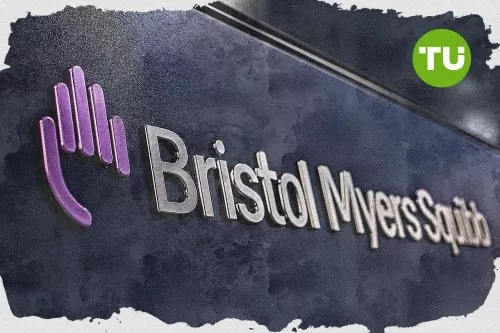
AstraZeneca ends discussions over a potential tie-up with Bristol Myers Squibb after market resistance builds around what could have been one of the biggest pharmaceutical deals on record. The proposed transaction, valued at about $400 billion and largely structured in shares, also raises concerns over patent exposure, antitrust risk and the UK group’s strategic direction.
Highlights
- AstraZeneca and Bristol Myers Squibb held advanced merger talks through early August, discussing a multibillion-dollar cash and share offer before talks collapsed.
- AstraZeneca shares dropped 9% on August 3 following news of the negotiations, prompting the board to halt discussions the same day.
- Investor backlash centered on AstraZeneca absorbing Bristol Myers Squibb's patent risks, political concerns over UK-U.S. dynamics, and anticipated antitrust scrutiny given both firms' oncology portfolios.
Talks advanced before board halted process
As first reported by the Financial Times, AstraZeneca and Bristol Myers Squibb hold talks through the spring and summer over a possible merger that becomes more serious by early August. People familiar with the matter tell the newspaper the companies move closer to agreeing a price, while discussions with large U.S. banks are under way on financing the multibillion-dollar cash portion of a mostly share-based offer in which AstraZeneca would buy Bristol Myers Squibb at a premium.AstraZeneca chief executive Pascal Soriot has pursued a transformative deal for years before finding a potential counterpart in Bristol Myers Squibb chief executive Chris Boerner. The effort unravels quickly after the talks become public, with AstraZeneca shares falling 9% on August 3, its worst trading day since market turmoil during the coronavirus pandemic in March 2020, and the board ordering an end to the discussions by that evening.
Strategic and political concerns weigh on deal logic
Investor opposition centers on the industrial rationale for combining a faster-growing AstraZeneca with a rival facing a steep patent cliff in the coming years. Kosta Kleyman, a healthcare investor at Columbia Threadneedle and a shareholder in both groups, says the idea feels outdated and questions why AstraZeneca would take on Bristol Myers Squibb's patent risks instead of acquiring promising biotechnology companies.Political sensitivities also weigh on the negotiations, with officials in Whitehall concerned about a British corporate champion shifting its center of gravity toward the U.S. Investors are also wary of the antitrust scrutiny such a large transaction would attract, particularly because both companies have major oncology businesses. Neither company formally comments on the talks, although one Bristol Myers Squibb shareholder says the logic is clearer for the U.S. group than for AstraZeneca.
Our earlier article on the NSE’s requests for clarification on unusual share price movements explained how the exchange contacted several companies after sharp stock swings to ensure investors receive timely, company-based disclosures. We also noted that the exchange sought verification of potentially market-sensitive fundraising news, with responses from some issuers still pending.










-
 Afghanistan
-
 Albania
-
 Algeria
-
 Angola
-
 Argentina
-
 Armenia
-
 Australia
-
 Austria
-
 Azerbaijan
-
 Bahamas
-
 Bahrain
-
 Bangladesh
-
 Belarus
-
 Belgium
-
 Bolivia
-
 Botswana
-
 Brazil
-
 Brunei
-
 Bulgaria
-
 Cambodia
-
 Cameroon
-
 Canada
-
 Chile
-
 China
-
 Colombia
-
 Congo
-
 Costa Rica
-
 Cote d'Ivoire
-
 Croatia
-
 Cuba
-
 Cyprus
-
 Czechia
-
 DR Congo
-
 Denmark
-
 Dominican Republic
-
 Ecuador
-
 Egypt
-
 El Salvador
-
 Estonia
-
 Eswatini
-
 Ethiopia
-
 Finland
-
 France
-
 Georgia
-
 Germany
-
 Ghana
-
 Greece
-
 Haiti
-
 Hong Kong
-
 Hungary
-
 India
-
 Indonesia
-
 Iran, Islamic republic
-
 Iraq
-
 Ireland
-
 Israel
-
 Italy
-
 Jamaica
-
 Japan
-
 Jordan
-
 Kazakhstan
-
 Kenya
-
 Korea
-
 Kuwait
-
 Kyrgyzstan
-
 Laos
-
 Latvia
-
 Lebanon
-
 Lesotho
-
 Libya
-
 Lithuania
-
 Luxembourg
-
 Madagascar
-
 Malaysia
-
 Malta
-
 Mauritius
-
 Mexico
-
 Moldova
-
 Mongolia
-
 Montenegro
-
 Morocco
-
 Mozambique
-
 Myanmar
-
 Namibia
-
 Nepal
-
 Netherlands
-
 New Zealand
-
 Nigeria
-
 North Macedonia
-
 Norway
-
 Oman
-
 Pakistan
-
 Palestine
-
 Panama
-
 Papua New Guinea
-
 Paraguay
-
 Peru
-
 Philippines
-
 Poland
-
 Portugal
-
 Puerto Rico
-
 Qatar
-
 Reunion
-
 Romania
-
 Rwanda
-
 Saudi Arabia
-
 Serbia
-
 Singapore
-
 Slovakia
-
 Slovenia
-
 Somalia
-
 South Africa
-
 Spain
-
 Sri Lanka
-
 Sweden
-
 Switzerland
-
 Syria
-
 Taiwan
-
 Tajikistan
-
 Tanzania
-
 Thailand
-
 Trinidad and Tobago
-
 Tunisia
-
 Turkey
-
 UAE
-
 Uganda
-
 Ukraine
-
 United Kingdom
-
United States
-
 Uruguay
-
 Uzbekistan
-
 Venezuela
-
 Vietnam
-
 Yemen
-
 Zambia
-
 Zimbabwe
- Forex
- Crypto












