

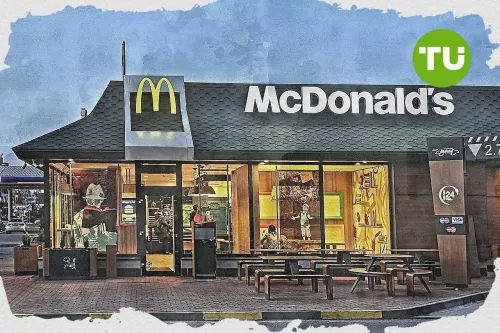
McDonald's sales momentum slows as Burger King gains share in U.S. burger market

U.S. burger competition is intensifying as price-sensitive diners reassess where to spend, putting added pressure on major fast-food chains. McDonald's remains the market leader by sales, but weaker value execution and tighter consumer budgets are helping rivals such as Burger King attract more traffic.
Highlights
- McDonald's U.S. sales growth slowed to 0.8% in Q2 as higher menu prices and fewer promotions drove lower-income customers to alternative options.
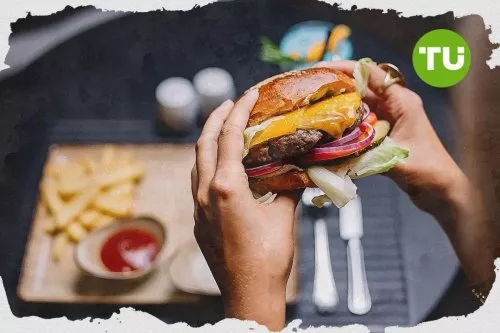
- Burger King’s U.S. sales rose 8.5% in Q2 with Whopper sales up 20% since a February recipe update, supported by $700 million in remodeling and value offers through 2028.
- McDonald's faces intensified competition as Chili's and convenience stores like Sheetz, Wawa, and Buc-ee's expand value-driven burger offerings, pressuring traditional fast-food market share.
Value competition reshapes burger demand
As first reported by Business Insider, consumers are pulling back from McDonald's as higher menu prices and fewer promotions push some households to seek cheaper or better-value alternatives. The shift comes as lower-income diners, a key part of McDonald's customer base, face pressure from inflation and higher gas costs.McDonald's CEO Chris Kempczinski said on the company's earnings call last week that the chain "simply didn't execute at the level we needed to," particularly in the rollout of its latest value menu focused on items priced below $3. McDonald's declines to comment beyond those remarks.
R.J. Hottovy, head of analytical research at Placer.ai, says the economic backdrop remains difficult, especially for burger chains. He says McDonald's customers skew more toward lower-income consumers than many restaurant rivals, leaving visits more exposed when household budgets tighten.
Burger King and new rivals build momentum
Burger King is benefiting from that pressure point as its parent, Restaurant Brands International, invests in restaurant remodels, technology and value-led offers. In February, the chain projected $700 million in spending on improvements through the end of 2028, while marketing around an updated Whopper has supported the turnaround.Burger King's second-quarter U.S. sales increase 8.5%, outpacing McDonald's 0.8% growth, and Whopper sales rise 20% after the revised recipe launches in February. Restaurant Brands International CFO Sami Siddiqui says the mix of full-price sales and entry-level offers such as the $5 Duos and $7 Trios menu is helping drive results.
McDonald's is also facing broader competition beyond traditional fast food. Chili's is using burger offers that compete on both ingredients and price, while convenience store operators including Sheetz, Wawa and Buc-ee's are gaining credibility in prepared food, adding to the pressure on legacy burger chains.
Our earlier report on the latest U.S. producer-price data explained that wholesale inflation was flat in July, with cheaper goods but still-rising service costs. We noted that this mixed backdrop reinforced expectations the Federal Reserve would keep rates unchanged at its next meeting, even as underlying price pressures persisted.








-
 Afghanistan
-
 Albania
-
 Algeria
-
 Angola
-
 Argentina
-
 Armenia
-
 Australia
-
 Austria
-
 Azerbaijan
-
 Bahamas
-
 Bahrain
-
 Bangladesh
-
 Belarus
-
 Belgium
-
 Bolivia
-
 Botswana
-
 Brazil
-
 Brunei
-
 Bulgaria
-
 Cambodia
-
 Cameroon
-
 Canada
-
 Chile
-
 China
-
 Colombia
-
 Congo
-
 Costa Rica
-
 Cote d'Ivoire
-
 Croatia
-
 Cuba
-
 Cyprus
-
 Czechia
-
 DR Congo
-
 Denmark
-
 Dominican Republic
-
 Ecuador
-
 Egypt
-
 El Salvador
-
 Estonia
-
 Eswatini
-
 Ethiopia
-
 Finland
-
 France
-
 Georgia
-
 Germany
-
 Ghana
-
 Greece
-
 Haiti
-
 Hong Kong
-
 Hungary
-
 India
-
 Indonesia
-
 Iran, Islamic republic
-
 Iraq
-
 Ireland
-
 Israel
-
 Italy
-
 Jamaica
-
 Japan
-
 Jordan
-
 Kazakhstan
-
 Kenya
-
 Korea
-
 Kuwait
-
 Kyrgyzstan
-
 Laos
-
 Latvia
-
 Lebanon
-
 Lesotho
-
 Libya
-
 Lithuania
-
 Luxembourg
-
 Madagascar
-
 Malaysia
-
 Malta
-
 Mauritius
-
 Mexico
-
 Moldova
-
 Mongolia
-
 Montenegro
-
 Morocco
-
 Mozambique
-
 Myanmar
-
 Namibia
-
 Nepal
-
 Netherlands
-
 New Zealand
-
 Nigeria
-
 North Macedonia
-
 Norway
-
 Oman
-
 Pakistan
-
 Palestine
-
 Panama
-
 Papua New Guinea
-
 Paraguay
-
 Peru
-
 Philippines
-
 Poland
-
 Portugal
-
 Puerto Rico
-
 Qatar
-
 Reunion
-
 Romania
-
 Rwanda
-
 Saudi Arabia
-
 Serbia
-
 Singapore
-
 Slovakia
-
 Slovenia
-
 Somalia
-
 South Africa
-
 Spain
-
 Sri Lanka
-
 Sweden
-
 Switzerland
-
 Syria
-
 Taiwan
-
 Tajikistan
-
 Tanzania
-
 Thailand
-
 Trinidad and Tobago
-
 Tunisia
-
 Turkey
-
 UAE
-
 Uganda
-
 Ukraine
-
 United Kingdom
-
United States
-
 Uruguay
-
 Uzbekistan
-
 Venezuela
-
 Vietnam
-
 Yemen
-
 Zambia
-
 Zimbabwe
- Forex
- Crypto












