

UK regulator fraud case hits Touchstone Exploration after fake takeover bid admission

A UK market abuse case is drawing attention to the risks small listed companies face from fabricated corporate approaches and share price manipulation. Christopher Woolcott has pleaded guilty to fraud and forgery offences linked to a fake bid for Touchstone Exploration, a Calgary-based oil and gas group listed in London and Toronto.
Highlights
- The FCA revealed Woolcott admitted to inventing a fake Touchstone Exploration takeover bid using forged documents and false identities, aiming to profit from share price movement.
- Touchstone's discovery of the sham bid led to the FCA confirming it is not investigating the company, with Woolcott pleading guilty and awaiting sentencing.
- The FCA warned in April of growing risks to small listed companies like Touchstone from manipulative schemes, citing a broader trend of false takeover approaches to influence market prices.
FCA case details and court proceedings
As reported by Financial Times, citing the Financial Conduct Authority, Woolcott admitted inventing a takeover bid for Touchstone Exploration by using multiple false identities and forged documents. The regulator says it has been investigating him since 2025 and that he stood to benefit financially from any rise in the company’s share price if the sham bid had reached the market.Woolcott, 44, from Greenwich in London, pleaded guilty on Thursday at Westminster Magistrates’ Court to one count of fraud by false representation and three counts of making a false instrument. He is due to be sentenced at a later date.
Touchstone discovered the bid was fake and informed the FCA. The regulator says it is not investigating the company in connection with the case, while lawyer Isaac Mirza, representing Woolcott, did not respond to a request for comment and Touchstone also did not respond to a request for comment.
Steve Smart, the FCA’s executive director of enforcement and market oversight, says fake bids, forged documents and false identities have no place in financial markets. He says investors must be able to trust information that affects share prices and that the regulator will act against conduct that threatens that trust.
Broader market risks for small listed companies
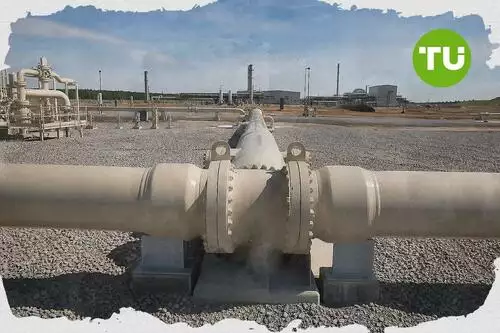
Touchstone is a Calgary-based oil and gas exploration and production company with most of its operations in Trinidad and Tobago. Its shares trade on London’s Aim market and the Toronto Stock Exchange, placing it among the smaller listed companies that regulators say can be vulnerable to manipulative schemes.The FCA warned in an April newsletter that it is concerned about an increase in small listed companies being targeted directly as part of potentially manipulative schemes aimed at moving issuers’ share prices. The case also fits a longer pattern of false takeover approaches used by traders seeking to profit from sharp market reactions.
Past examples include a purported $8.2 billion tender offer for Avon by PTG Capital Partners, which pushed the U.S. cosmetics seller’s shares higher after a filing on the SEC website. U.S. prosecutors later charged Nedko Nedev, a Bulgarian citizen, with market manipulation over what authorities described as a sham tender offer, and investigators found PTG Capital had been a fictitious UK entity.
False bids have also surfaced in recent years involving companies including Twitter and Fitbit, underscoring how deceptive corporate claims can be used to influence trading in public markets.
Our earlier article on ESMA’s warning about prediction markets such as Polymarket and Kalshi outlined concerns that these fast-growing platforms can heighten risks of market abuse, insider trading, and retail investor harm—especially where identity verification and consumer protections are limited. We also noted that while much of Europe keeps these products largely unauthorised, regulators are closely monitoring the sector as some firms push expansion and policymakers weigh potential rule changes.









-
 Afghanistan
-
 Albania
-
 Algeria
-
 Angola
-
 Argentina
-
 Armenia
-
 Australia
-
 Austria
-
 Azerbaijan
-
 Bahamas
-
 Bahrain
-
 Bangladesh
-
 Belarus
-
 Belgium
-
 Bolivia
-
 Botswana
-
 Brazil
-
 Brunei
-
 Bulgaria
-
 Cambodia
-
 Cameroon
-
 Canada
-
 Chile
-
 China
-
 Colombia
-
 Congo
-
 Costa Rica
-
 Cote d'Ivoire
-
 Croatia
-
 Cuba
-
 Cyprus
-
 Czechia
-
 DR Congo
-
 Denmark
-
 Dominican Republic
-
 Ecuador
-
 Egypt
-
 El Salvador
-
 Estonia
-
 Eswatini
-
 Ethiopia
-
 Finland
-
 France
-
 Georgia
-
 Germany
-
 Ghana
-
 Greece
-
 Haiti
-
 Hong Kong
-
 Hungary
-
 India
-
 Indonesia
-
 Iran, Islamic republic
-
 Iraq
-
 Ireland
-
 Israel
-
 Italy
-
 Jamaica
-
 Japan
-
 Jordan
-
 Kazakhstan
-
 Kenya
-
 Korea
-
 Kuwait
-
 Kyrgyzstan
-
 Laos
-
 Latvia
-
 Lebanon
-
 Lesotho
-
 Libya
-
 Lithuania
-
 Luxembourg
-
 Madagascar
-
 Malaysia
-
 Malta
-
 Mauritius
-
 Mexico
-
 Moldova
-
 Mongolia
-
 Montenegro
-
 Morocco
-
 Mozambique
-
 Myanmar
-
 Namibia
-
 Nepal
-
 Netherlands
-
 New Zealand
-
 Nigeria
-
 North Macedonia
-
 Norway
-
 Oman
-
 Pakistan
-
 Palestine
-
 Panama
-
 Papua New Guinea
-
 Paraguay
-
 Peru
-
 Philippines
-
 Poland
-
 Portugal
-
 Puerto Rico
-
 Qatar
-
 Reunion
-
 Romania
-
 Rwanda
-
 Saudi Arabia
-
 Serbia
-
 Singapore
-
 Slovakia
-
 Slovenia
-
 Somalia
-
 South Africa
-
 Spain
-
 Sri Lanka
-
 Sweden
-
 Switzerland
-
 Syria
-
 Taiwan
-
 Tajikistan
-
 Tanzania
-
 Thailand
-
 Trinidad and Tobago
-
 Tunisia
-
 Turkey
-
 UAE
-
 Uganda
-
 Ukraine
-
 United Kingdom
-
United States
-
 Uruguay
-
 Uzbekistan
-
 Venezuela
-
 Vietnam
-
 Yemen
-
 Zambia
-
 Zimbabwe
- Forex
- Crypto












