

BASF raises 2026 core profit outlook after third-quarter earnings beat

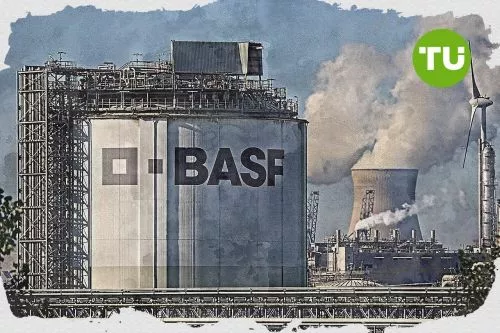
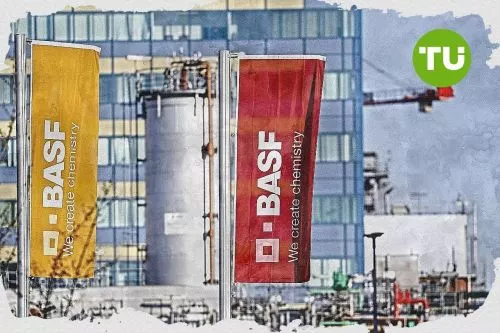
European chemical producers are seeing stronger demand as supply disruptions tied to the Iran war reshape regional trade flows. BASF has raised its 2026 earnings outlook for the second time this year after third-quarter results come in ahead of market expectations.
Highlights
- BASF raised its 2026 adjusted core earnings guidance to 7.4–7.8 billion euros from the previous 6.9–7.7 billion euro range due to Q3 outperformance.
- BASF's third-quarter sales reached 16.4 billion euros, nearly 5% above analyst forecasts, driven by higher prices compensating for energy costs and limited volume growth.
- Strait of Hormuz disruptions boosted German chemical demand, but BASF's agricultural unit sales fell 20% year-on-year; a Frankfurt listing is planned by mid-2027.
Updated earnings guidance and quarterly performance
As reported by Reuters, BASF said it now expects adjusted core earnings of between 7.4 billion euros and 7.8 billion euros this year, up from the 6.9 billion euro to 7.7 billion euro range it gave in July.The German chemicals group reports third-quarter sales of 16.4 billion euros, nearly 5% above analysts' expectations in a company-compiled poll. Higher pricing to offset energy costs, along with a more limited increase in volumes, supports the stronger performance.
War-related demand shift lifts sector
The closure of the Strait of Hormuz is providing an unexpected boost for German chemical companies, as supply disruptions from the Middle East increase local demand even while energy prices rise. That trend is helping support a sector that has been under pressure in Europe.BASF's agricultural business is the main weak spot, posting a 20% drop in sales from a year earlier. The company is planning to list the unit on the Frankfurt stock exchange by mid-2027, where it competes in seeds and pesticides with Bayer, Corteva and China's Syngenta.
Our earlier coverage of the Strait of Hormuz shipping disruption highlighted how prolonged uncertainty is already hitting agriculture, as higher fuel and transport costs and delayed fertilizer deliveries push farmers to cut inputs and adjust planting plans. We also noted that commodity prices jumped in Q3 and that continued disruptions could keep prices elevated into the next quarters, raising food-security risks in import-dependent regions.









-
 Afghanistan
-
 Albania
-
 Algeria
-
 Angola
-
 Argentina
-
 Armenia
-
 Australia
-
 Austria
-
 Azerbaijan
-
 Bahamas
-
 Bahrain
-
 Bangladesh
-
 Belarus
-
 Belgium
-
 Bolivia
-
 Botswana
-
 Brazil
-
 Brunei
-
 Bulgaria
-
 Cambodia
-
 Cameroon
-
 Canada
-
 Chile
-
 China
-
 Colombia
-
 Congo
-
 Costa Rica
-
 Cote d'Ivoire
-
 Croatia
-
 Cuba
-
 Cyprus
-
 Czechia
-
 DR Congo
-
 Denmark
-
 Dominican Republic
-
 Ecuador
-
 Egypt
-
 El Salvador
-
 Estonia
-
 Eswatini
-
 Ethiopia
-
 Finland
-
 France
-
 Georgia
-
 Germany
-
 Ghana
-
 Greece
-
 Haiti
-
 Hong Kong
-
 Hungary
-
 India
-
 Indonesia
-
 Iran, Islamic republic
-
 Iraq
-
 Ireland
-
 Israel
-
 Italy
-
 Jamaica
-
 Japan
-
 Jordan
-
 Kazakhstan
-
 Kenya
-
 Korea
-
 Kuwait
-
 Kyrgyzstan
-
 Laos
-
 Latvia
-
 Lebanon
-
 Lesotho
-
 Libya
-
 Lithuania
-
 Luxembourg
-
 Madagascar
-
 Malaysia
-
 Malta
-
 Mauritius
-
 Mexico
-
 Moldova
-
 Mongolia
-
 Montenegro
-
 Morocco
-
 Mozambique
-
 Myanmar
-
 Namibia
-
 Nepal
-
 Netherlands
-
 New Zealand
-
 Nigeria
-
 North Macedonia
-
 Norway
-
 Oman
-
 Pakistan
-
 Palestine
-
 Panama
-
 Papua New Guinea
-
 Paraguay
-
 Peru
-
 Philippines
-
 Poland
-
 Portugal
-
 Puerto Rico
-
 Qatar
-
 Reunion
-
 Romania
-
 Rwanda
-
 Saudi Arabia
-
 Serbia
-
 Singapore
-
 Slovakia
-
 Slovenia
-
 Somalia
-
 South Africa
-
 Spain
-
 Sri Lanka
-
 Sweden
-
 Switzerland
-
 Syria
-
 Taiwan
-
 Tajikistan
-
 Tanzania
-
 Thailand
-
 Trinidad and Tobago
-
 Tunisia
-
 Turkey
-
 UAE
-
 Uganda
-
 Ukraine
-
 United Kingdom
-
United States
-
 Uruguay
-
 Uzbekistan
-
 Venezuela
-
 Vietnam
-
 Yemen
-
 Zambia
-
 Zimbabwe
- Forex
- Crypto












