

London stocks slip as Unilever, GSK results weigh on FTSE 100

London equities are trading cautiously on Wednesday as investors assess corporate earnings and await the UK budget and the U.S. Federal Reserve's rate decision. The FTSE 100 is down 0.3% by mid-morning, while the FTSE 250 edges 0.1% higher in a market that analysts describe as a holding pattern.
Highlights
- FTSE 100 drops to 10,652.43 points by 0954 GMT as Unilever falls 2.2% on weak foods business results and GSK slumps 5.7%.
- Standard Chartered shares gain 2.8% after projecting full-year operating income growth above 7%, beating previous 5%-7% guidance.
- Brent crude futures rise 1.2% to $115.24 a barrel after a Saudi refinery attack, but the energy sector adds only 0.2% to the FTSE 100.
Corporate results and policy risks shape trading
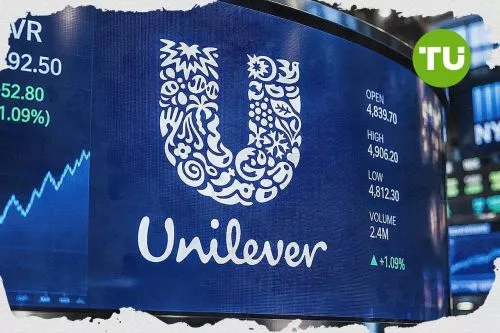
As reported by Reuters, the blue-chip FTSE 100 falls to 10,652.43 points by 0954 GMT, with consumer and healthcare heavyweights leading the decline as investors remain reluctant to take large positions before major policy events.Unilever drops 2.2% after reporting softer results in its foods business, pulling the personal care, drug and grocery sector down nearly 1.2%. GSK is the weakest FTSE 100 stock, slumping 5.7% as its pipeline-building push and growth plans tied to a 1.9 billion pound cost-savings drive fail to convince investors. The pharmaceutical and biotechnology sector declines 1.7%.
Standard Chartered rises 2.8% after saying full-year operating income growth is expected to exceed 7%, above its earlier 5% to 7% guidance. In politics, finance minister John Healey is expected to present a cautious budget aimed at avoiding further bond market pressure, with banks and gambling firms seen among sectors that could face higher taxes.
Energy gains offer limited support
Brent crude futures rise 1.2% to $115.24 a barrel after an attack on a Saudi Arabian refinery renews concern over possible supply disruptions. The broader energy sector is among the few gainers, adding 0.2% and offering only limited support to the wider market.Nick Saunders, chief executive of investment platform Webull UK, says the session is largely a waiting game, with few expecting major moves or surprises. He says financials, house builders, utilities and defence stocks are likely to be the most sensitive, while markets also closely watch the Fed meeting, where policymakers are widely expected to keep interest rates steady.
Our earlier coverage of the Federal Reserve’s policy messaging debate explained how disagreements over officials’ public communication were influencing expectations for the next rate decision. We noted that after September’s CPI surprise, shifting signals from key policymakers helped temper bets on another near-term hike, underscoring how Fed guidance can quickly move markets ahead of major events.










-
 Afghanistan
-
 Albania
-
 Algeria
-
 Angola
-
 Argentina
-
 Armenia
-
 Australia
-
 Austria
-
 Azerbaijan
-
 Bahamas
-
 Bahrain
-
 Bangladesh
-
 Belarus
-
 Belgium
-
 Bolivia
-
 Botswana
-
 Brazil
-
 Brunei
-
 Bulgaria
-
 Cambodia
-
 Cameroon
-
 Canada
-
 Chile
-
 China
-
 Colombia
-
 Congo
-
 Costa Rica
-
 Cote d'Ivoire
-
 Croatia
-
 Cuba
-
 Cyprus
-
 Czechia
-
 DR Congo
-
 Denmark
-
 Dominican Republic
-
 Ecuador
-
 Egypt
-
 El Salvador
-
 Estonia
-
 Eswatini
-
 Ethiopia
-
 Finland
-
 France
-
 Georgia
-
 Germany
-
 Ghana
-
 Greece
-
 Haiti
-
 Hong Kong
-
 Hungary
-
 India
-
 Indonesia
-
 Iran, Islamic republic
-
 Iraq
-
 Ireland
-
 Israel
-
 Italy
-
 Jamaica
-
 Japan
-
 Jordan
-
 Kazakhstan
-
 Kenya
-
 Korea
-
 Kuwait
-
 Kyrgyzstan
-
 Laos
-
 Latvia
-
 Lebanon
-
 Lesotho
-
 Libya
-
 Lithuania
-
 Luxembourg
-
 Madagascar
-
 Malaysia
-
 Malta
-
 Mauritius
-
 Mexico
-
 Moldova
-
 Mongolia
-
 Montenegro
-
 Morocco
-
 Mozambique
-
 Myanmar
-
 Namibia
-
 Nepal
-
 Netherlands
-
 New Zealand
-
 Nigeria
-
 North Macedonia
-
 Norway
-
 Oman
-
 Pakistan
-
 Palestine
-
 Panama
-
 Papua New Guinea
-
 Paraguay
-
 Peru
-
 Philippines
-
 Poland
-
 Portugal
-
 Puerto Rico
-
 Qatar
-
 Reunion
-
 Romania
-
 Rwanda
-
 Saudi Arabia
-
 Serbia
-
 Singapore
-
 Slovakia
-
 Slovenia
-
 Somalia
-
 South Africa
-
 Spain
-
 Sri Lanka
-
 Sweden
-
 Switzerland
-
 Syria
-
 Taiwan
-
 Tajikistan
-
 Tanzania
-
 Thailand
-
 Trinidad and Tobago
-
 Tunisia
-
 Turkey
-
 UAE
-
 Uganda
-
 Ukraine
-
 United Kingdom
-
United States
-
 Uruguay
-
 Uzbekistan
-
 Venezuela
-
 Vietnam
-
 Yemen
-
 Zambia
-
 Zimbabwe
- Forex
- Crypto












